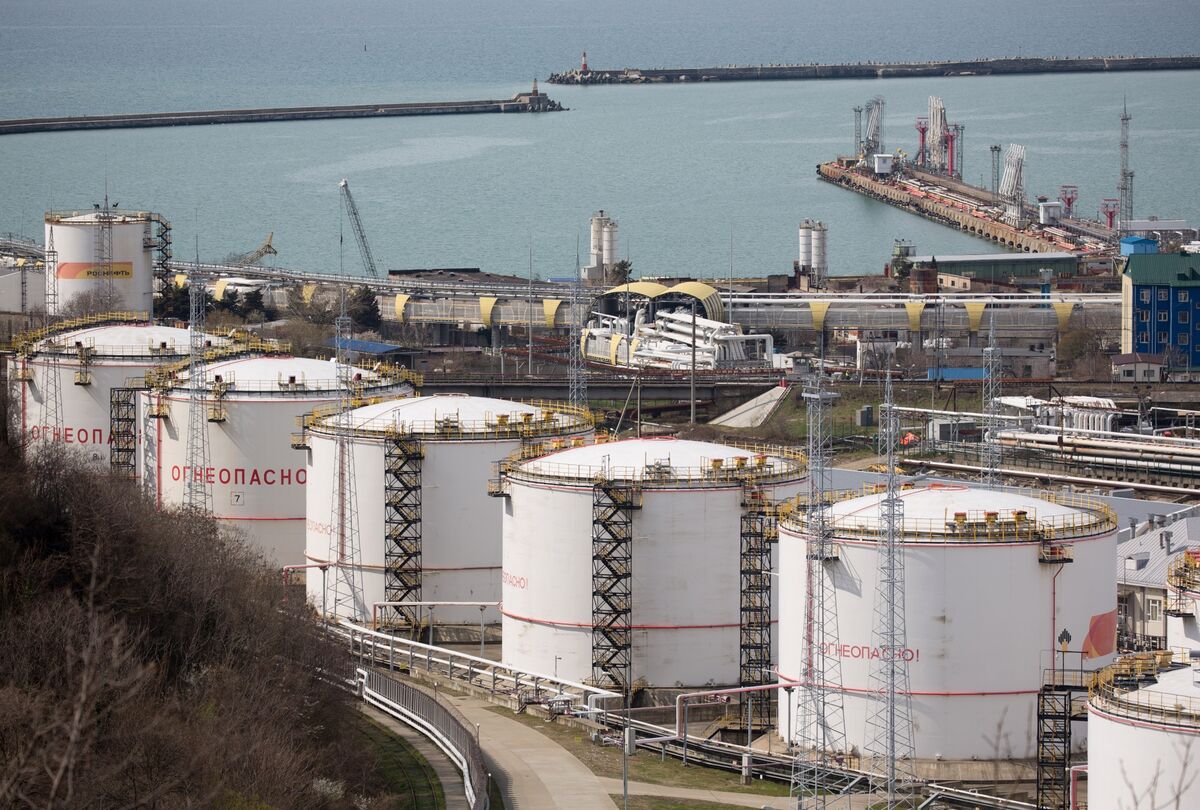
A bipartisan group of U.S. senators is pressuring Hungary to reduce its dependence on Russian energy ahead of Prime Minister Viktor Orban's meeting with Donald Trump, citing concerns over Hungary's lack of commitment to the EU's proposed 2027 cut-off for Russian fossil fuel imports. This development highlights ongoing geopolitical tensions impacting European energy policy and trade relationships, which could influence future energy market dynamics and diplomatic alignments.
A bipartisan group of US senators is actively pressuring Hungary to decrease its reliance on Russian fossil fuels, specifically ahead of Prime Minister Viktor Orban's upcoming meeting with former President Donald Trump. This initiative highlights significant geopolitical friction, as senators express concern over Hungary's apparent unwillingness to align with the European Union's June 2027 proposal to cease Russian energy imports. The situation indicates a divergence in energy policy within the EU and NATO, potentially impacting alliance cohesion.
This development underscores the persistent challenges in enforcing unified sanctions against Russia and managing energy security across Europe. The mild negative sentiment (-0.2) and moderate market impact score (0.4) suggest that while this is a notable geopolitical event, it is currently perceived as an ongoing point of tension rather than an immediate market-disrupting crisis. It reflects the complex interplay between national energy interests, international alliances, and domestic political considerations.
The article, while not naming specific companies, points to broader implications for the European energy sector and commodity markets. Continued pressure on Hungary could lead to policy shifts or increased scrutiny on companies operating within the region, particularly those with existing ties to Russian energy suppliers. Investors should recognize this as a signal of sustained geopolitical risk in the European energy landscape.
AI-powered research, real-time alerts, and portfolio analytics for institutional investors.
Overall Sentiment
mildly negative
Sentiment Score
-0.20
