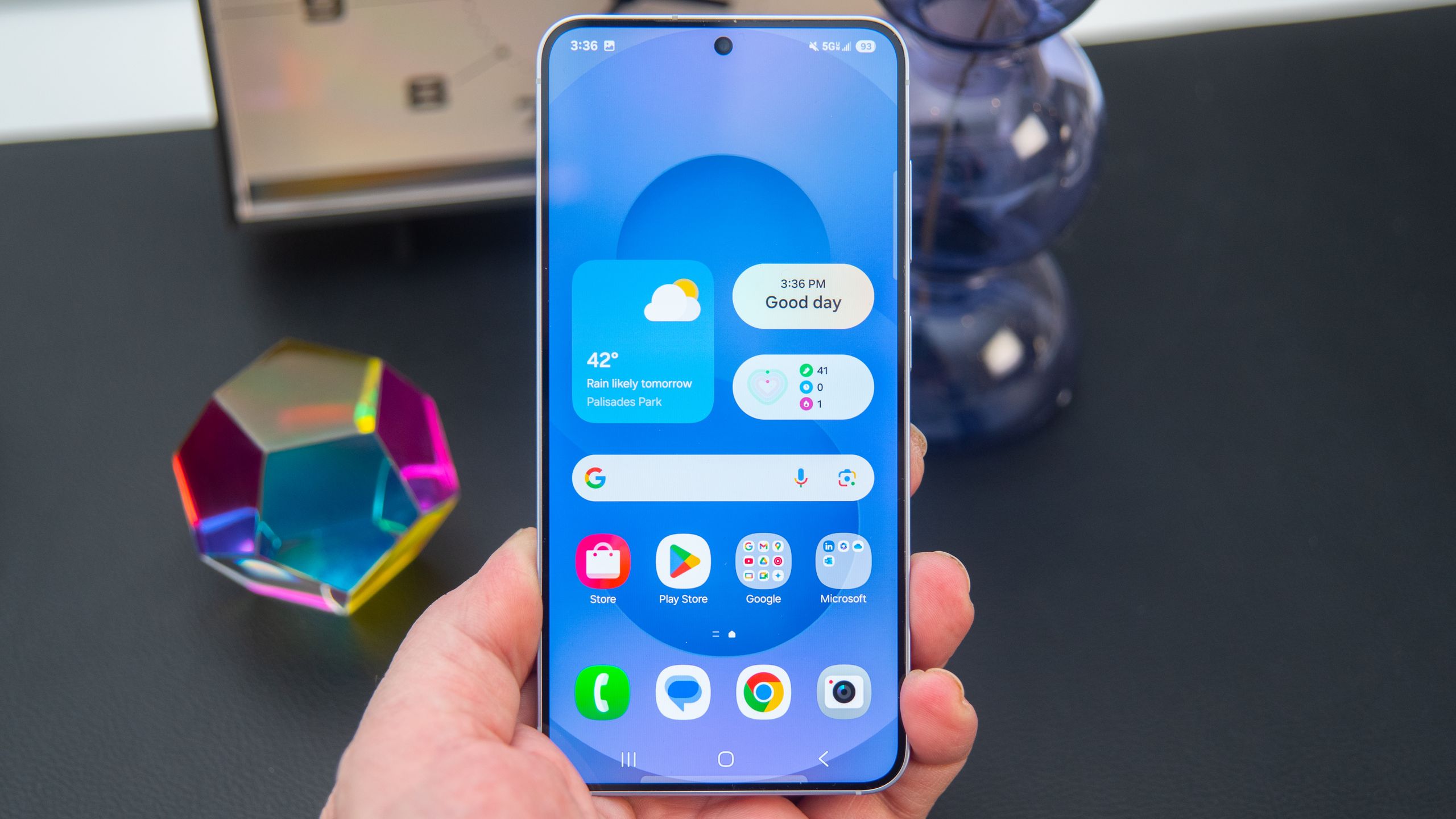
Samsung Electronics is reportedly scheduling a Galaxy S26 unveiling on Feb. 25 in San Francisco with units going on sale in early March after production delays that included scrapping an S26 Edge model. South Korean reports indicate Samsung will keep launch prices unchanged versus the 2025 models (US starting prices: $799 standard, $999 Plus, $1,299 Ultra), preserving ASPs and limiting downside from cost and tariff pressures; the pricing discipline may also apply to its foldable successors later in 2026. The delay could modestly shift shipment cadence and near-term revenue recognition into March, but the price freeze reduces downside risk to handset revenue and investor concerns about margin-eroding price hikes.
Market structure: A Samsung price freeze for the S26 (and likely foldables) shifts competition toward volume-led share gains rather than ASP expansion. Expect upward pressure on unit volumes in emerging markets and EU/Asia channels in Q1–Q2 2026, benefiting Samsung (005930.KS / SSNLF) and component suppliers (000660.KS, 009150.KS); downside for premium-focused players if they respond with promotions. Margins for Samsung may compress modestly (~100–300bps risk if component costs rise) but could be offset by higher services/accessories attach rates over 6–12 months.
Risk assessment: Tail risks include renewed production setbacks (another 4–8 week delay), tariff changes, or KRW depreciation >5% that would erode margins; these are low-probability but could cause >15% downside to supplier equities. Near-term (days–weeks) volatility around the Feb 25 event and early March sales; medium-term (3–9 months) depends on preorder data and foldable pricing. Hidden dependencies: ODM/CM production capacity, DRAM/NAND spot cycles, and carrier subsidy behaviors that can alter realized ASPs.
Trade implications: Tactical longs: Korean tech exposure and memory names; options to play pre-launch momentum with defined-risk call spreads expiring 1–3 months after launch. Pair trades: long Samsung/suppliers vs short premium OEM exposure if surveys show share gains >1–2ppt in key markets. Cross-asset: modest KRW appreciation could emerge on better export visibility, pressuring USD/FX hedges; marginal bullish for Korean equities and select commodities tied to semiconductor demand (copper, palladium) over 3–9 months.
Contrarian angles: Consensus assumes price freeze is a competitive win; missing is potential EPS dilution if unit mix shifts to lower-margin models or if Samsung absorbs cost inflation. History: Samsung’s price defense in prior cycles recovered share but depressed industry margins for 6–12 months; risk of supplier margin squeezes could create idiosyncratic losers among smaller parts makers. Unintended consequence: aggressive pricing may accelerate Android OEM consolidation rather than expand market demand.
AI-powered research, real-time alerts, and portfolio analytics for institutional investors.
Request DemoOverall Sentiment
mildly positive
Sentiment Score
0.30
