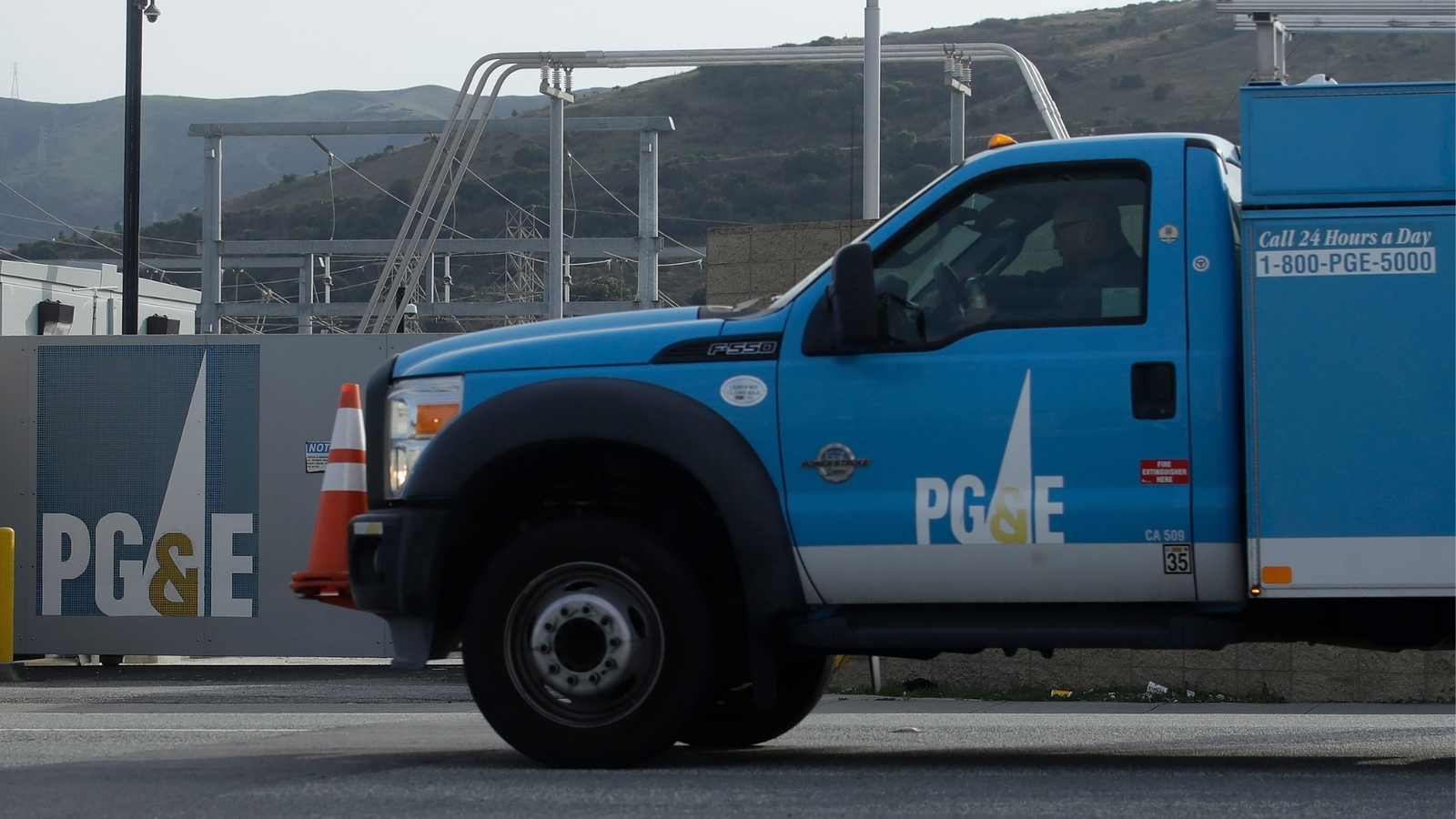
PG&E plans targeted outages in San Francisco next week to complete repairs and testing at its Mission Substation after an equipment failure and Dec. 20 fire that left roughly one-third of the city without power for up to three days. A Monday outage affecting about 3,600 Civic Center customers may last up to 12 hours, and a Tuesday outage affecting roughly 14,000 Richmond District customers (plus a small portion of the Sunset) is expected to last up to two hours; customers will receive notifications and PG&E has used temporary generators and alternate configurations since the incident. The company has agreed to a Feb. 12 city hearing to explain its response, raising potential regulatory and governance scrutiny that could weigh on PG&E’s near-term risk profile. CEO Sumeet Singh pledged transparency and to share findings at the hearing.
Market structure: The immediate winners are distributed-energy and resilience providers (residential solar+storage — ENPH, SEDG) and short-duration battery/storage installers; losers are PG&E (PCG) equity and unsecured bonds plus local small businesses facing revenue loss. Expect a regional acceleration of DER adoption (Bay Area residential battery installs could rise ~10–15% YoY over the next 12–24 months), shifting incremental load away from central substations and pressuring long-term marginal pricing for peak relief services.
Risk assessment: Tail risks include municipalization of PG&E assets in San Francisco, multi-$bn litigation/fines and a credit downgrade that could widen PCG bond spreads by 200–400 bps; probability material within 6–24 months given political momentum. Short-term (days–weeks) volatility will cluster around the Feb 12 city hearing and CPUC statements; long-term (quarters) outcomes hinge on regulatory rulings, insurance recoveries and capital plans to harden the grid.
Trade implications: Direct trades: tactically short PCG via puts or equity (1–2% portfolio) and go long ENPH/SEDG (1–3%) to play DER uptake; pair trade long ENPH 2% / short PCG 1.5% to capture relative upside if regulatory pain accelerates. Options: buy PCG 3-month 25–30 delta puts sized to 1% risk, and consider selling cash-secured PCG puts if price falls >15% to pick up yield while setting a discounted entry. Trim CA municipal exposure by 1–2% (MUB) to hedge potential muni credit spillover.
Contrarian angles: The market may overprice permanent damage to PCG — as a regulated monopoly it can recover allowed returns once fixes and capex are approved; similar to the 2019 wildfire cycle, equity recovered materially over 12–36 months after clarity on liabilities. Consider a contingent long in PCG via a 9–12 month call spread if shares/bonds cheapen >20% post-hearing (buy protection cheaply now, convert to long if regulatory tone softens).
AI-powered research, real-time alerts, and portfolio analytics for institutional investors.
Request DemoOverall Sentiment
moderately negative
Sentiment Score
-0.35
