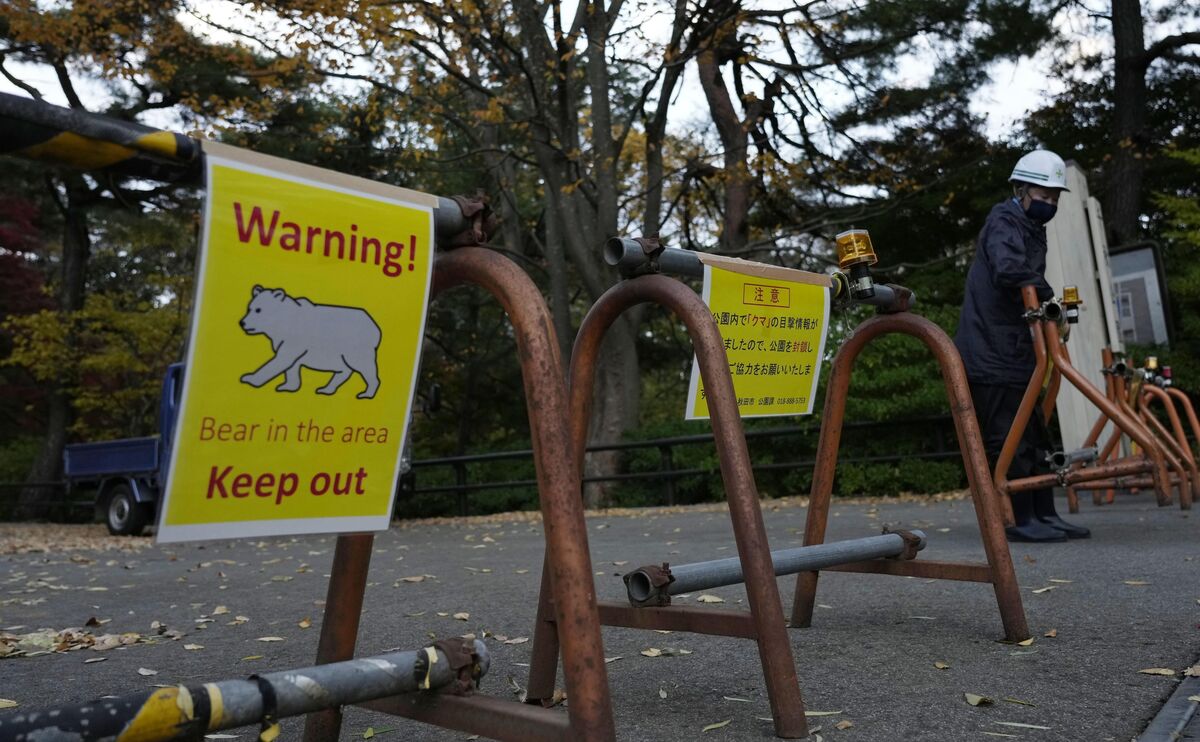
Japan recorded a record 230 bear-related casualties since April, with 13 fatalities and 217 injuries through the eight months ending in November, surpassing the previous annual record of 219 for the fiscal year to March 2024. Roughly two-thirds of incidents occurred in sparsely populated Tohoku, and the surge in attacks is increasing pressure on the government to intervene, with potential implications for local policy, safety measures and regional economic activity.
Market-structure: Rising bear attacks create a discrete demand shock in rural safety, favoring suppliers of electric fencing, surveillance drones, rugged vehicles and local construction contractors while hurting outdoor tourism, small hospitality operators and some agricultural producers. Government procurement and municipal spending (likely concentrated in Tohoku) will determine pricing power; a single national tender of ¥10–50bn would materially re-rate small-cap security vendors and regional contractors within 3–12 months.
Risk assessment: Tail risks include a politically driven nationwide cull or emergency program (high spend) or, conversely, new animal-protection restrictions that limit culling (reducing equipment demand). Immediate risk (days–weeks) is reputational; short-term (weeks–months) is procurement timing and seasonal incident spikes; long-term (quarters–years) is structural rural depopulation and recurring government subsidy programs that alter municipal bond issuance and fiscal deficits.
Trade implications: Direct plays are targeted longs in Japanese heavy-equipment/construction (exposure to rural works) and small caps that supply fencing/drones; hedges include puts on regional tourism/airlines and modest short-JPY (USD/JPY long) exposure if fiscal stimulus >¥50bn. Options: 3–9 month call spreads on construction equipment names and 1–3 month put spreads on travel names to capture asymmetric payoffs while volatility is likely to rise after any government statement.
Contrarian angles: Markets are underpricing procurement alpha—most liquid large caps won’t capture the upside, creating opportunities in small-listed security/drone contractors ahead of tenders. The overdone risk is a knee-jerk flight from Japan tourism stocks; if measures sharply reduce incidents within 6–12 months, those shorts can be costly. Monitor tenders and casualty cadence (thresholds: 300 casualties by Mar and any ¥10bn+ tender) for catalyst-driven entries.
AI-powered research, real-time alerts, and portfolio analytics for institutional investors.
Request DemoOverall Sentiment
moderately negative
Sentiment Score
-0.35
