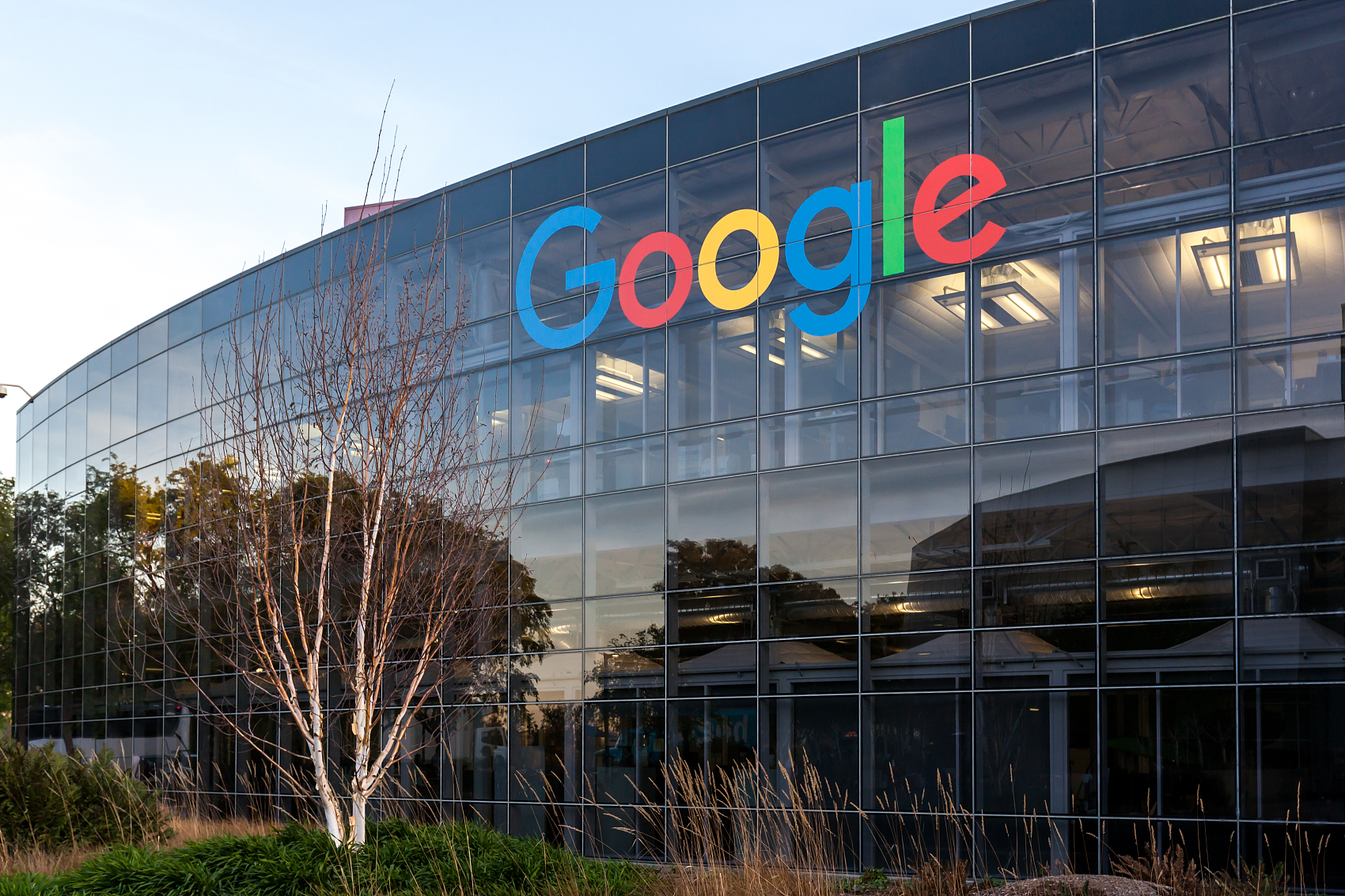
Sergey Brin’s renewed on‑site leadership and hands‑on involvement in Gemini and model training—coupled with Larry Page’s partial return—reinforces Google’s engineering-led strategy and deep technical moat, a dynamic that helped attract material share purchases by Berkshire Hathaway in Q3. The piece highlights Google’s long-term investments in TPU chips, data‑center scale and foundational R&D, argues that “hardcore technology” is again a competitive advantage, and notes lessons from past product timing (e.g., Google Glass); for investors, this signals reinforced product and talent execution that supports Google’s sizeable market position (~$4 trillion valuation) and long‑term AI leadership, but it is more sentiment and strategy relevant than a near‑term earnings shock.
Market structure: Sergey Brin’s hands‑on return and visible progress on Gemini materially raise Google’s probability of extending leadership in AI stack (models + TPUs + data centers). Direct winners: GOOGL/GOOG and cloud/infra suppliers (AMZN modestly), institutional holders like BRK.B; losers: META (consumer AI/ad product execution risk) and smaller AI pure‑plays that can’t match scale. Expect higher demand for chips, electricity and engineering talent, tightening supply in those niches and lifting pricing power for integrated players over 6–24 months.
Risk assessment: Tail risks include stepped‑up antitrust/regulatory action (US/EU) and a high‑profile model failure or data/export restrictions that could hit revenue recognition; operational risks include chip shortages and energy cost spikes. Immediate (days): sentiment bounce; short (1–6 months): re‑rating tied to Gemini public rollout and Q‑reports; long (1–3 years): consolidation of moat if Google monetizes LLMs. Hidden dependency: Google’s edge relies on proprietary silicon and uninterrupted power/China access — both are single‑points of failure.
Trade implications: Tactical long GOOGL exposure is warranted but size and structure matter: prefer staggered buys and capped option structures to limit downside while capturing re‑rating. Pair trades (long GOOGL, short META) exploit relative execution risk; overweight AI infrastructure (cloud, chips) and underweight ad/social exposure. Enter within 2–6 weeks ahead of product/earnings catalysts; trim after +20–25% rally or two sequential quarters of revenue miss vs consensus.
Contrarian angles: Consensus assumes smooth monetization; that may be underdone on multi‑year margin pressure from capex (TPUs, data centers) and talent inflation — short‑term euphoria could be overdone. Historical parallel: founder returns boosted Apple long‑term but often only after 12–24 months of product cadence; immediate stock moves can reverse. Unintended consequence: centralizing founders can accelerate aggressive product launches that invite regulatory scrutiny, compressing IRR if antitrust action occurs.
AI-powered research, real-time alerts, and portfolio analytics for institutional investors.
Request DemoOverall Sentiment
moderately positive
Sentiment Score
0.45
Ticker Sentiment
