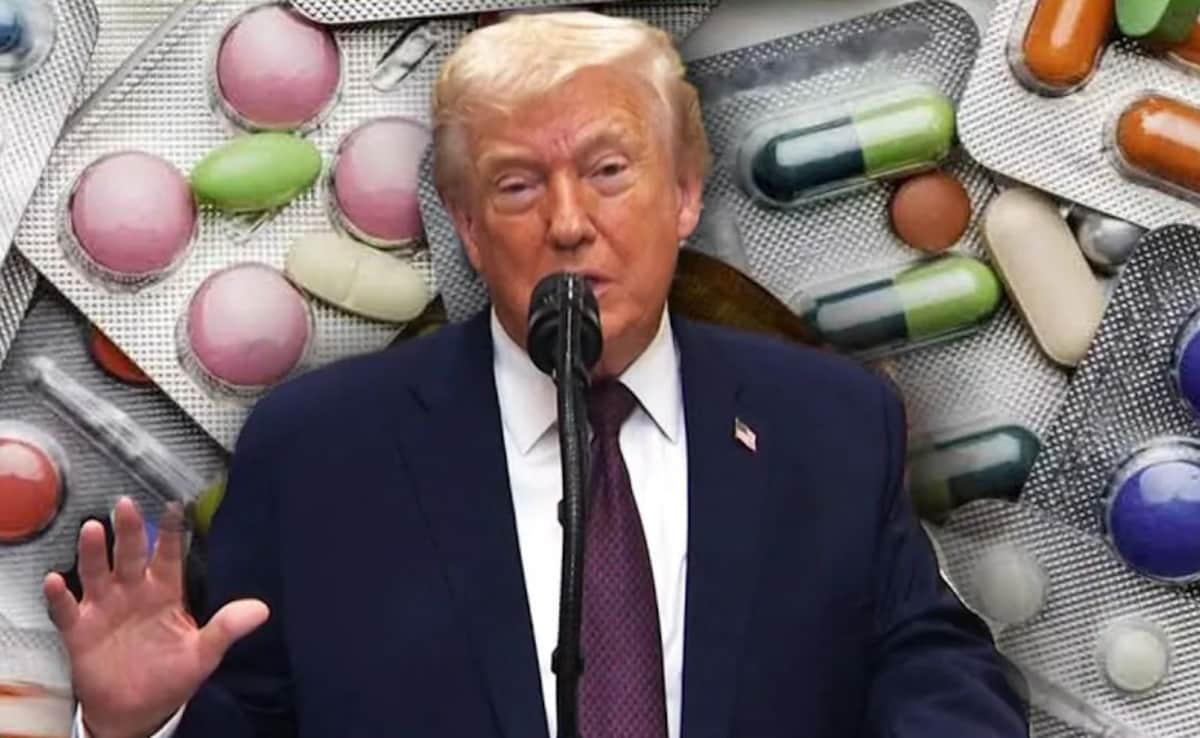
Up to 100% tariffs will be imposed on certain imported patented pharmaceuticals unless companies reach pricing/onshoring deals (tariffs range 0%–100% depending on deals and U.S. onshoring). Companies with 'most favored nation' pricing and active U.S. onshoring get 0% tariffs; others face 20% now that rises to 100% in four years, with larger firms having 120 days (others 180 days) to negotiate. Generics, biosimilars and most essential medicines are exempt for now, but the White House will review generic imports after one year; administration says ~53% of patented products are produced abroad and only ~15% of patented APIs by volume are domestic, highlighting significant supply-chain and revenue risk for foreign patented-drug makers and Indian firms with patented portfolios.
The policy will re-price the supply-chain decision for high-margin, complex medicines and biologics, creating a multi-year capital cycle that favors US-based CDMOs, specialized API contractors, and engineering firms that can deliver GMP-ready capacity quickly. Expect a two-tier capex wave: near-term expansion by incumbent US players and later brownfield buys of specialist plants (India/EU assets) by strategic buyers; margins for first-movers should expand as lead times compress and switching costs rise for large pharma.
Indian contract manufacturers and diversified pharma groups with meaningful branded pipelines face asymmetric downside: weaker negotiating leverage on US pricing and the prospect of incremental compliance and localization costs will compress returns on US-facing revenue streams while leaving lower-margin export volumes relatively immobile. This will drive consolidation among mid-cap CMOs and create taxable divestiture events that are visible 12–36 months out.
Key catalysts to watch are (a) announced US facility capex and off-take agreements from global pharma over the next 3–9 months, (b) M&A listings of non-core manufacturing assets from Indian players, and (c) any trade or legal pushback that could delay implementation. The main tail risk is policy reversal or meaningful WTO/industry legal victories; conversely, sustained incentive clarity would lock in a multi-year structural reallocation of manufacturing spend toward onshore providers.
AI-powered research, real-time alerts, and portfolio analytics for institutional investors.
Request DemoOverall Sentiment
moderately negative
Sentiment Score
-0.45
Ticker Sentiment
