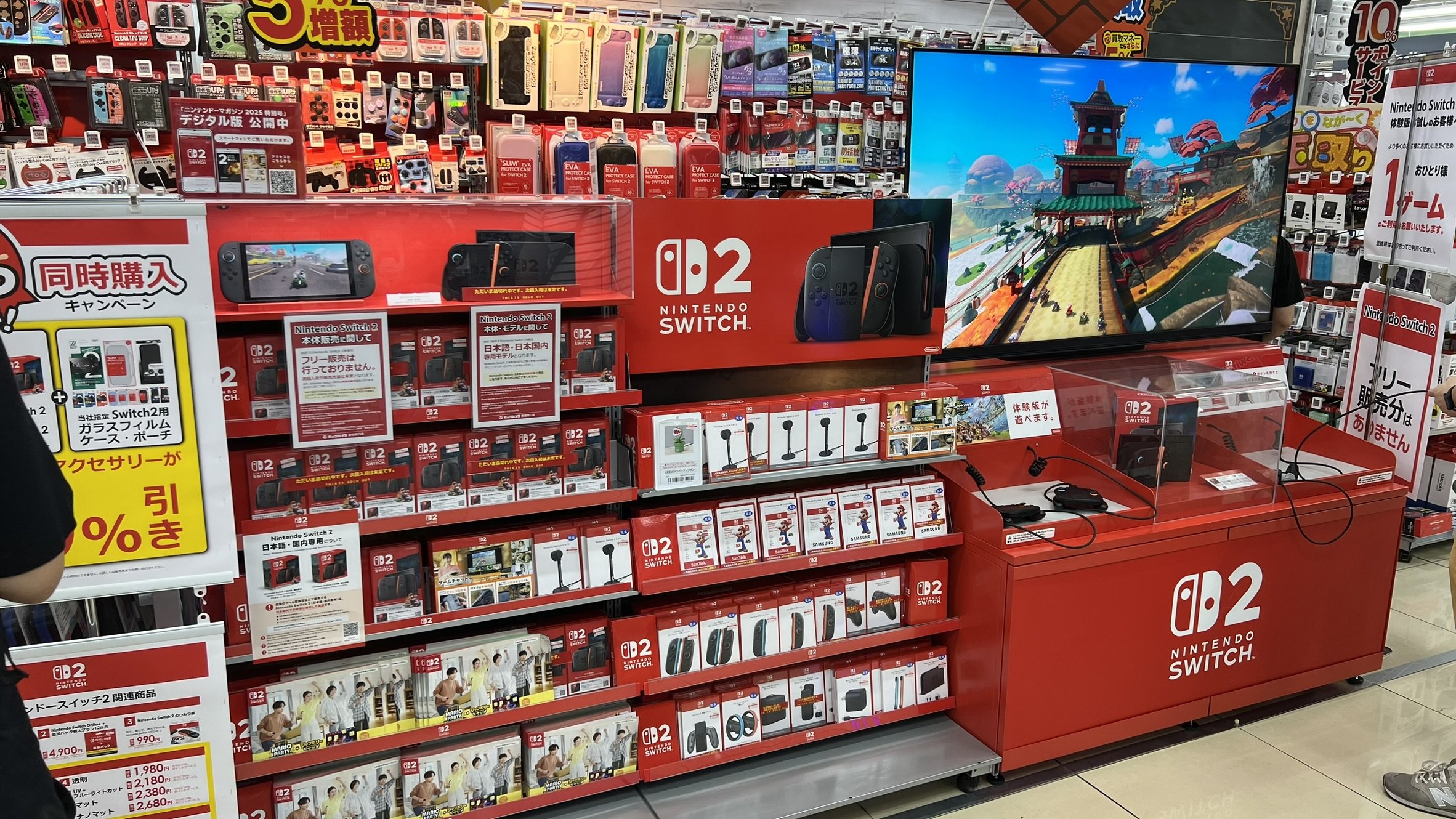
A former Nintendo sales lead says a Switch 2 hardware price increase is “inevitable” as inflation, tariffs, AI-driven memory demand, helium shortages and recent oil price spikes push component and logistics costs higher. Nintendo has cut US digital game prices—potentially to soften backlash—and may offset margin pressure via merchandising, while president Shuntaro Furukawa says there are currently no plans to raise Switch 2 pricing but any future change would weigh profitability, adoption and market conditions.
The relevant supply-side shock is not a single pricing decision but a sustained structural uplift in upstream inputs (memory, specialty gases, freight) that widens volatility in console BOMs and shifts bargaining leverage toward component suppliers and foundries. Expect a multi-quarter transmission: memory-led cost inflation can compress launch-year gross margins by mid-single to low-double digits per unit unless OEMs either raise ASPs by $50–$150 or materially cut SKU/spec, which in turn alters unit elasticity and installed-base growth into the second year.
Competitively, anything that raises the effective price of one platform creates a transient cross-price arbitrage that benefits rival platforms with available supply — not just through substitution of new-console purchases but via delayed upgrade cycles that lift demand for incumbent-gen stock (accessories, first-party software). Separately, a permanent tilt toward digital pricing elasticity (lower digital prices vs physical) increases platform-controlled margin pools (store take-rates, subscriptions) and diminishes retailer gross merchandise volume; that amplifies winner-take-most dynamics for platform owners who can monetize services.
Catalysts and tail risks stack on different horizons: expect early signals in supplier guidance and memory-price indices over 1–3 months, formal price movements or ancillary product pushes over 3–9 months, and demand elasticity re-pricing over 9–18 months. Reversals are possible if (a) foundry memory capacity growth outpaces AI demand within 12–24 months, (b) a platform counters with aggressive software/service bundles that increase LTV, or (c) macro disinflation drives freight and commodity inputs down faster than current forward curves imply.
AI-powered research, real-time alerts, and portfolio analytics for institutional investors.
Request DemoOverall Sentiment
mildly negative
Sentiment Score
-0.20
Ticker Sentiment
