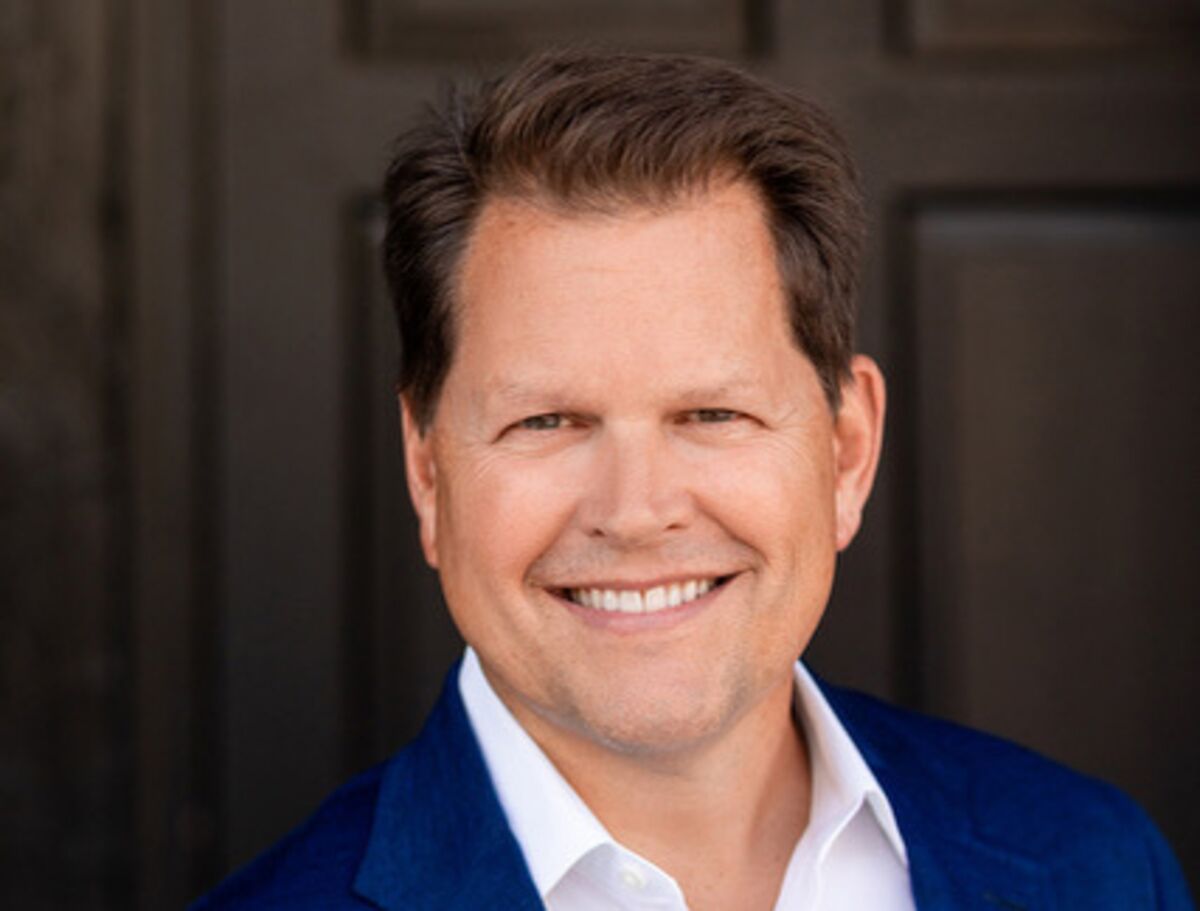
Goldman Sachs is acquiring ETF issuer Innovator Capital Management for $2 billion, a deal that makes Innovator CEO and cofounder Bruce Bond — who owns 50–65% of the firm — worth at least $1 billion, while cofounder John Southard owns at least 25%. The transaction, which folds a fast-growing ETF shop (founded in 2017) into Goldman's asset-management franchise, crystallizes private-market value for Innovator's founders and modestly expands Goldman’s ETF capabilities.
Market structure: Goldman (GS) gains scale in the fast-growing niche of options/structured ETFs, adding ~$2bn AUM purchase price signaling higher distribution power and cross-sell into wealth channels; expect GS to capture ~100–300 bps incremental fee margin on Innovator products over 12–24 months if retention and distribution succeed. Direct winners are GS, broker-dealers with ETF shelf access and option-flow desks; small boutique ETF issuers (private or thinly distributed) face pricing and distribution pressure that can compress seed/marketing economics by 10–30%. Cross-asset: more ETF issuance and option-based products will increase listed options volumes and dealer hedging flows, creating incremental demand for short-dated Treasury bills for funding and modest volatility in single-stock options lines; FX and commodities impact negligible.
Risk assessment: Key tail risks include regulatory pushback on ETF structures or anti-competitive merger scrutiny (low-probability, high-impact within 6–18 months), founder departure causing outflows (material within 3 months), and integration write-downs eroding ROE by >100 bps. Short-term (days-weeks) risk centers on retention announcements and 8-K disclosures; medium-term (3–12 months) on realized flows and margin accretion; long-term (1–3 years) on platform synergies and fee compression across ETF industry. Hidden dependencies: retention-dependent revenue, counterparty option hedging capacity, and potential redistribution of AUM across wholesaler networks.
Trade implications: Tactical direct play is a modest long GS exposure to capture M&A optionality and fee accretion: 1–2% portfolio overweight or buy 9–12 month call spreads 10–20% OTM sized for 0.5–1% portfolio risk, execute within 2–6 weeks. Relative-value: pair long GS vs short Invesco (IVZ) or Franklin Resources (BEN) — both more exposed to fee compression in active/smaller ETF segments; target equal notional 0.5–1% portfolio risk, take profits at 20% upside or stop at 12% loss. Options: if expecting elevated option flow, buy CBOE short-dated put spreads on IVZ/BEN as tactical hedges.
Contrarian angles: Market may underweight integration risk — if founders remain and Goldman scales distribution, Innovator-style structured ETFs could grow revenue +20–40% CAGR over 3 years, suggesting upside for GS beyond the deal; conversely the market may be underestimating retention risk and the transaction could be a near-term drag. Historical parallels: large banks buying boutiques (e.g., Goldman buying boutique asset managers) often deliver 12–18 month disappointment followed by multi-year outperformance if integration succeeds — trade with two-way risk management. Unintended consequence: consolidation could accelerate fee competition, pressuring IVZ/BEN more than large players BLK/STT, creating productive pair trade asymmetry.
AI-powered research, real-time alerts, and portfolio analytics for institutional investors.
Request DemoOverall Sentiment
moderately positive
Sentiment Score
0.45
Ticker Sentiment
