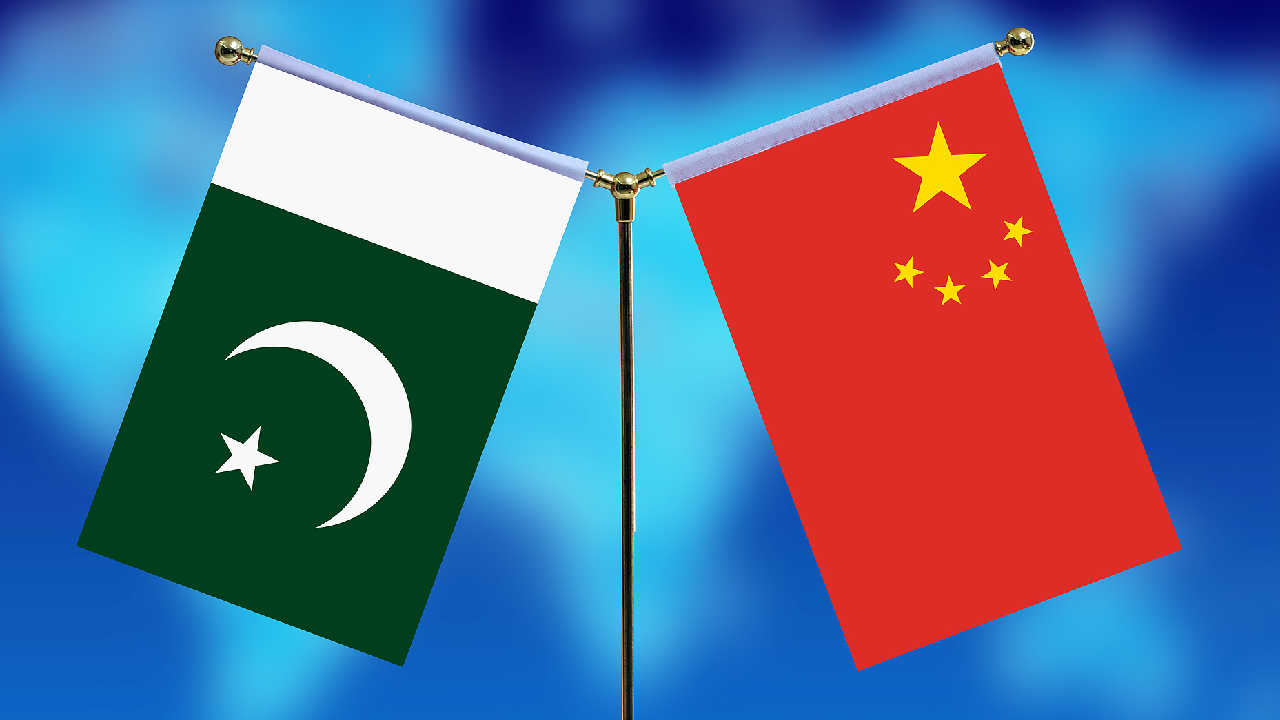
Five proposals were announced after talks in Beijing between Chinese FM Wang Yi and Pakistani Deputy PM/Foreign Minister Mohammad Ishaq Dar calling for (1) immediate cessation of hostilities and unfettered humanitarian access, (2) prompt peace talks safeguarding sovereignty of Iran and Gulf states, (3) protection of civilians and nonmilitary infrastructure including energy, desalination, power and peaceful nuclear sites, (4) security of the Strait of Hormuz to ensure early and safe passage of civilian and commercial shipping, and (5) reinforcement of the UN Charter and multilateral framework. The statement is a diplomatic initiative to de-escalate regional conflict and seek a comprehensive peace framework. Market implications are limited near term but relevant to energy and shipping-risk premiums if taken up or ignored by principal parties.
China’s move to front a de‑escalation framework with Pakistan is less about instant ceasefires and more about signaling to markets that Beijing will try to reduce the regional risk premium on energy and shipping over the coming quarters. If China can credibly convene talks or offer incentives (port/finance sweeteners to Gulf parties), expect a gradual compression in maritime insurance premia and tanker/timecharter spreads over 1–3 months as perceived transit risk drops; that would shave several dollars off near‑term Brent risk premia even if fundamentals remain unchanged.
Second‑order winners are economic actors sensitive to freight and insurance costs — global shippers, air/road freight intermediaries and EM importers — while marginal upstream producers and energy‑heavy sovereigns are the ones who stand to lose if the oil risk premium erodes. Conversely, if mediation stalls or is perceived as toothless, the mere announcement can harden alignments, accelerating military procurement and favoring defense contractors over a 6–24 month horizon.
Tail risks remain asymmetric: a tactical misstep (attack on civilian infrastructure or nuclear facilities) can re‑inflate premia within days and push tanker/insurance metrics multiples higher for weeks; conversely, a credible multilateral agreement built under UN auspices could normalize flows over 3–9 months. Monitor concrete follow‑through (China‑led meeting calendar, port financing announcements, insurance market premium moves) — absence of those is the clearest reversal signal.
AI-powered research, real-time alerts, and portfolio analytics for institutional investors.
Request DemoOverall Sentiment
neutral
Sentiment Score
0.00
