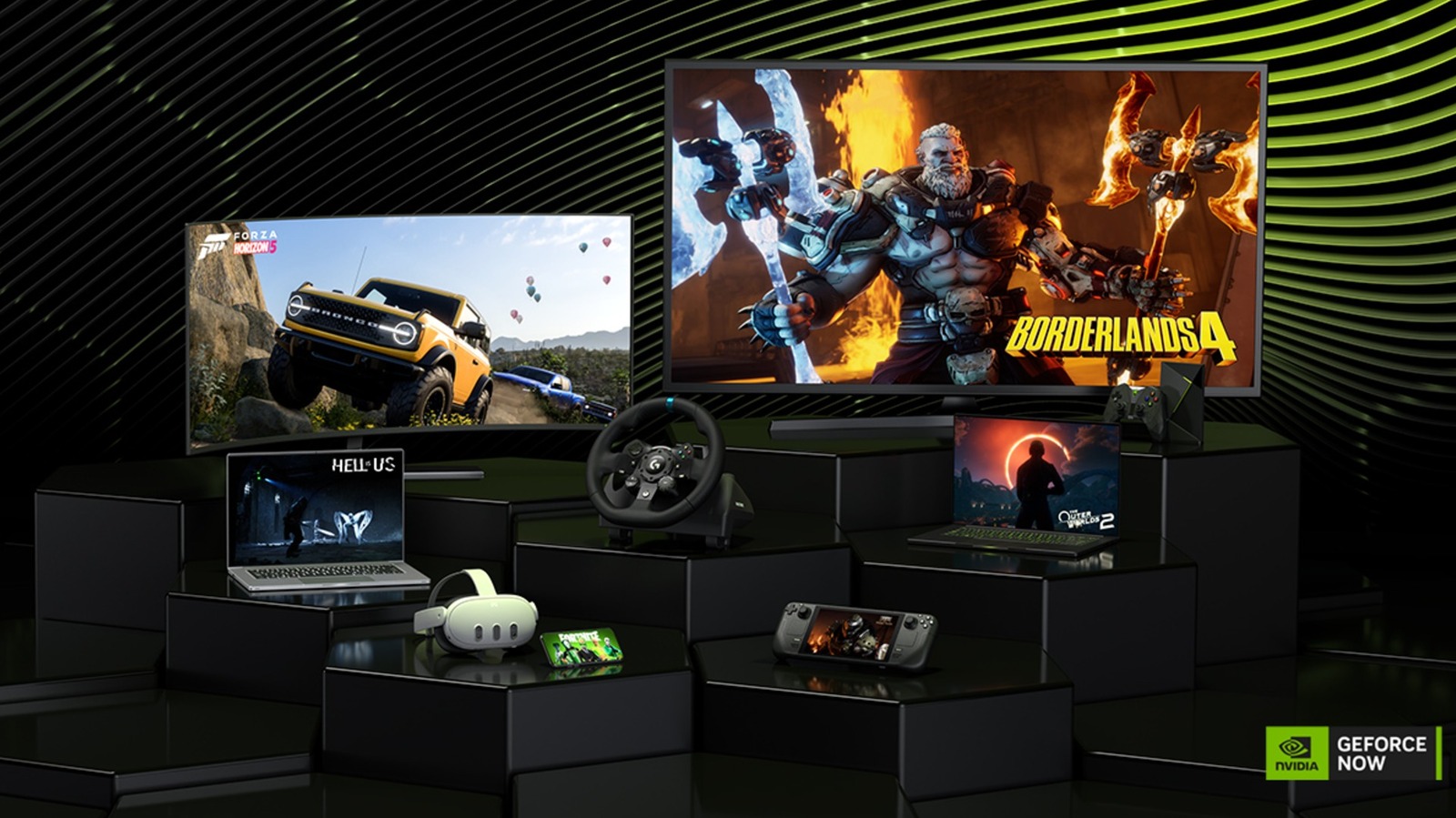
Nvidia will impose a 100-hour monthly cap on GeForce NOW gameplay for Performance ($9.99) and Ultimate ($19.99) subscribers starting January 1, 2026, with additional 15-hour time blocks sold at $2.99 (Performance) and $5.99 (Ultimate); unused hours roll over but cap at 15. Founders members who purchased before March 17, 2021 retain an exception unless they cancel, free accounts remain at 1-hour limits, and Nvidia says only ~6% of users will be affected. The change follows prior free-user ad rollouts and comes amid broader hardware-price pressures tied to AI-driven demand and discontinued GPU support, prompting some users to consider competitors like Xbox Cloud Gaming, Amazon Luna, or Shadow PC.
Market structure: Nvidia’s 100‑hour cap (effective 1 Jan 2026) is a concentrated consumer-facing change that likely hurts GeForce NOW churn-sensitive users and incumbents reliant on goodwill; Nvidia estimates ~6% of users impacted, implying revenue/ARPU risk concentrated in casual-to-midrate subscribers. Competitors (AMZN Luna, MSFT xCloud, Shadow) gain optionality on share gains, but underlying supply (GPU/DRAM/SSD) tightness from AI tailwinds keeps pricing power for semis intact and supports NVDA’s data‑center franchise even if consumer goodwill erodes. Cross-asset, expect near-term idiosyncratic NVDA options vol pop, slight consumer cyclicals softness, and continued support for DRAM/SSD names and related commodity prices.
Risk assessment: Tail risks include a sustained PR/antitrust campaign or a coordinated migration to rivals that knocks 1–3% off NVDA revenue over 12 months (high‑impact, low‑probability). Immediate (days) risk: option IV spike and social media backlash; short term (weeks/months): subscription flows and competitor promotions; long term (quarters): possible monetization of pay-per‑block hours or re-pricing. Hidden dependency: GPU demand correlation with GeForce brand reputation — persistent consumer anger could modestly affect retail GPU sell‑through. Key catalysts: NVDA subscriber metrics (next 30–45 days), competitor price/offer changes, NVDA earnings commentary.
Trade implications: Tactical defensive hedges on NVDA via short-dated put spreads hedge a 8–15% downside into Mar–May 2026; consider 1–2% portfolio hedges. Opportunistic longs: AMZN (benefit to Luna/AWS) and MU (DRAM/SSD tightness) sized 1.5–3% with 3–9 month horizons. Pair trade: Long AMZN (2%) / short NVDA (1.5%) to capture asymmetric consumer reallocation while keeping net tech exposure neutral. Time entries before NVDA’s next earnings and reprice if NVDA volume metrics move >10% vs baseline.
Contrarian angles: Consensus overstates consumer impact on NVDA’s total revenue — GeForce NOW is small vs. data center TAM — so a knee‑jerk selloff could be overdone; NVDA’s ability to monetize 15‑hour blocks at $2.99/$5.99 could lift ARPU if adoption >10% of capped users. Historical parallel: platform policy changes (Spotify/Apple) initially sparked backlash but revenue recovered via monetization and bundling within 6–12 months. Unintended consequence: heavy monetization can accelerate competitor subsidies (Microsoft/Amazon) leading to temporary margin pressure but long‑term higher cloud demand for GPUs and memory.
AI-powered research, real-time alerts, and portfolio analytics for institutional investors.
Request DemoOverall Sentiment
mildly negative
Sentiment Score
-0.25
Ticker Sentiment
