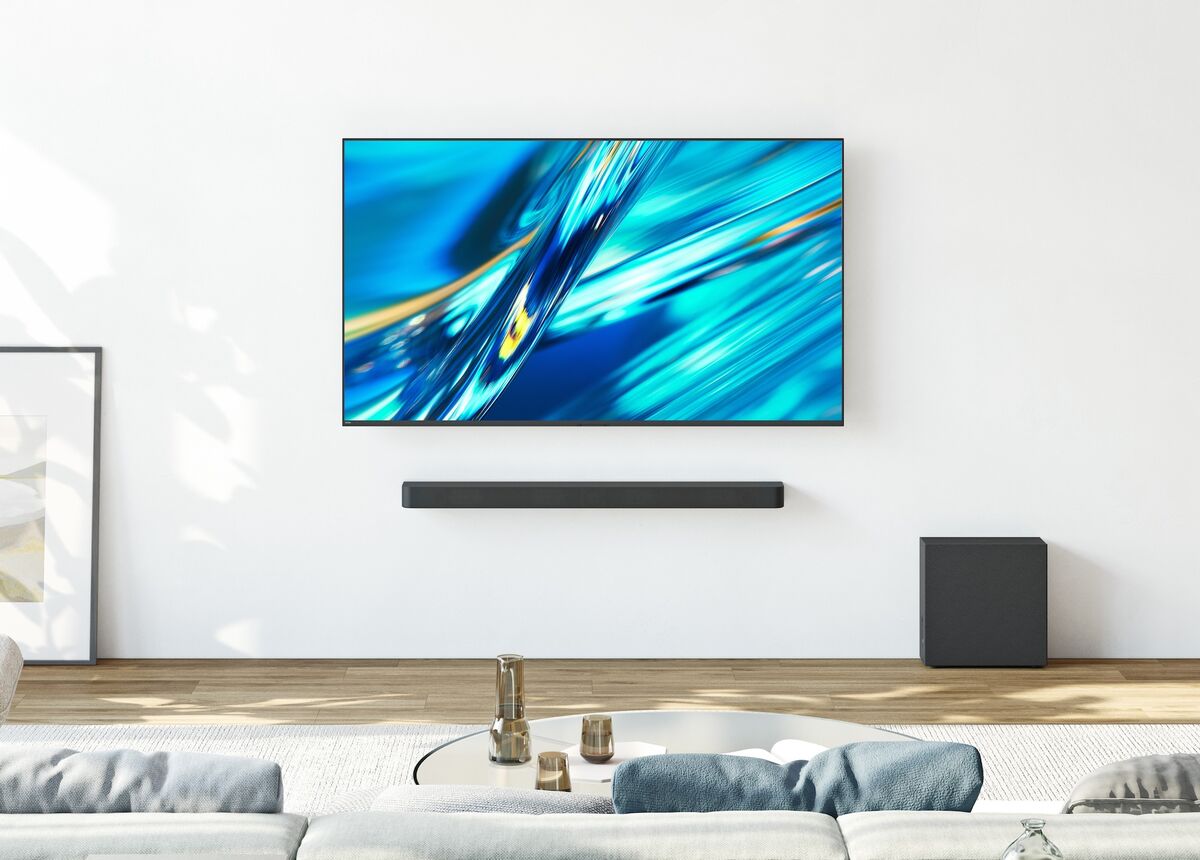
Sony introduced a new midrange 4K TV and several home-theater audio products while reportedly nearing a deal to sell a majority stake in its home entertainment business to TCL, though no definitive agreement has been signed. The company is proceeding with product launches, but transaction uncertainty raises consumer risk around software updates and long-term support for legacy Sony models. Absent deal confirmation, the development is primarily idiosyncratic to Sony's home-entertainment unit and unlikely to move broader markets.
The pending carve‑out creates a bifurcation between hardware economics and after‑sales/service economics that is not being fully priced. If software update commitments migrate to the buyer without a clear SLA, expect measured reductions in customer lifetime value (CLV) and a 50–150bps drag on gross margins for models at risk of accelerated churn; channel returns and warranty accruals could rise materially in the first 2–8 quarters post‑close as legacy owners test support. Component vendors (panel and SoC suppliers) are insulated on volume but will see margin pressure if production shifts to lower‑cost SKUs — that tends to preserve revenue but compress supplier ASPs over 6–18 months.
Key catalysts are binary and time‑staged: a definitive agreement, explicit multi‑year software/support guarantees, and regulatory signoffs (each a 1–6 month to 12‑month event) will materially rerate risk premia. Tail risks include an adverse regulatory ruling restricting IP transfer or a warranty/recall event tied to software updates; either could create a 10–20% carve‑out valuation haircut within 3–12 months. Conversely, a clear transitional service agreement (TSA) that pins update cadence to existing Sony SLAs would likely reverse most near‑term downside within weeks of announcement.
Consensus is focused on headline control shift and underweights operational flex: the buyer has commercial incentives to maintain update cadence to preserve shelf velocity and retail relationships, so the market may be overstating long‑term brand erosion. That asymmetry — limited upside if the buyer honors SLAs versus concentrated downside if they do not — creates cheap, directional instruments around the next deal milestones and an attractive pair‑trade construction to isolate brand/support risk from component volume exposure.
AI-powered research, real-time alerts, and portfolio analytics for institutional investors.
Request DemoOverall Sentiment
mixed
Sentiment Score
-0.05
Ticker Sentiment
