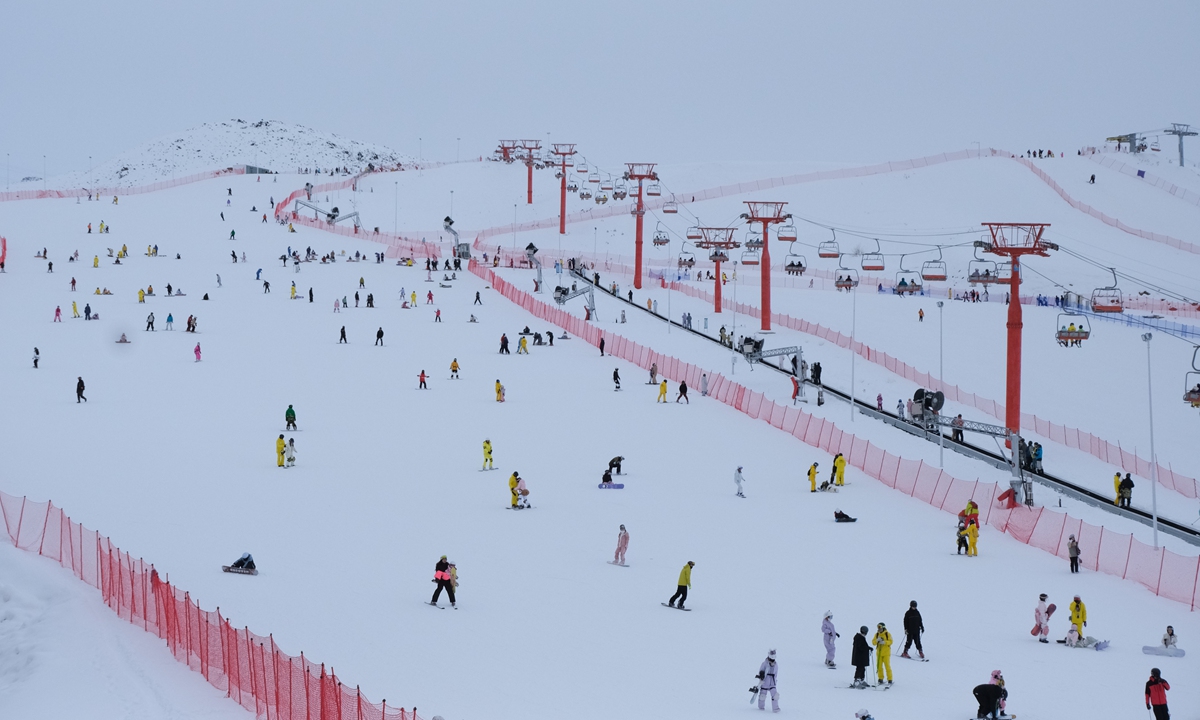
China's winter tourism and duty‑free retail saw sharp holiday strength as New Year travel demand surged: ticket bookings to Snow Town and Yabuli rose 2.7x and 2x respectively, online searches for Harbin jumped over fivefold, and train/air search volumes around the holiday were more than three times year‑on‑year. Hot spring and ski resorts reported visitor growth (Wanlong Ski Resort saw ~12,000 visitors on Jan 2 and overall traffic up an estimated 30–40% or more; key hot springs +50% YoY), regional destinations like Altay, Huludao and Aba grew >12% YoY, and Hainan duty‑free offshore sales hit 251 million yuan (+93.8% YoY) with shoppers +45.8%. The data imply upside for Chinese consumer discretionary plays tied to travel, airlines/rail charters, resort operators and duty‑free retailers as seasonal leisure demand accelerates.
Market structure: The data point to clear winners—duty‑free retail (Hainan), online travel agencies (rail/air booking aggregators), regional ski/hot‑spring operators and airlines/rail operators that run charter trains. Short‑term pricing power accrues to gatekeepers (OTA platforms) and duty‑free retailers where sales rose +94% YoY and shoppers +45.8% on Jan‑1; capacity constraints at top resorts imply pricing upside in peak weeks but likely localized and seasonal.
Risk assessment: Tail risks include a Covid resurgence, sharp oil/jet‑fuel spikes (brent >$90/bbl sustained 10+ days), or regulatory action targeting platform commissions or Hainan duty‑free policy changes—each could erase 20–40% of near‑term upside. Immediate risks (days) are booking volatility and weather; short‑term (weeks/months) are fuel and policy; long‑term (quarters) is capacity expansion and margin normalization as competitors add supply.
Trade implications: Favor concentrated, time‑boxed exposure to duty‑free and travel booking leaders ahead of Spring Festival bookings, using options to cap downside; airlines and rail operators are attractive on revenue recovery but require fuel‑price hedges. Rotate out of low‑margin local leisure services and small regional operators that will face price competition as capacity is added.
Contrarian angles: The consensus celebrates volume growth but may underprice margin compression once operators discount in off‑peak seasons or expand capacity—expect 5–15% yield erosion in year two for new resorts. Geopolitical sensitivity (Xinjiang) and safety incidents are underappreciated event risks that could trigger abrupt demand reversals.
AI-powered research, real-time alerts, and portfolio analytics for institutional investors.
Request DemoOverall Sentiment
moderately positive
Sentiment Score
0.60
