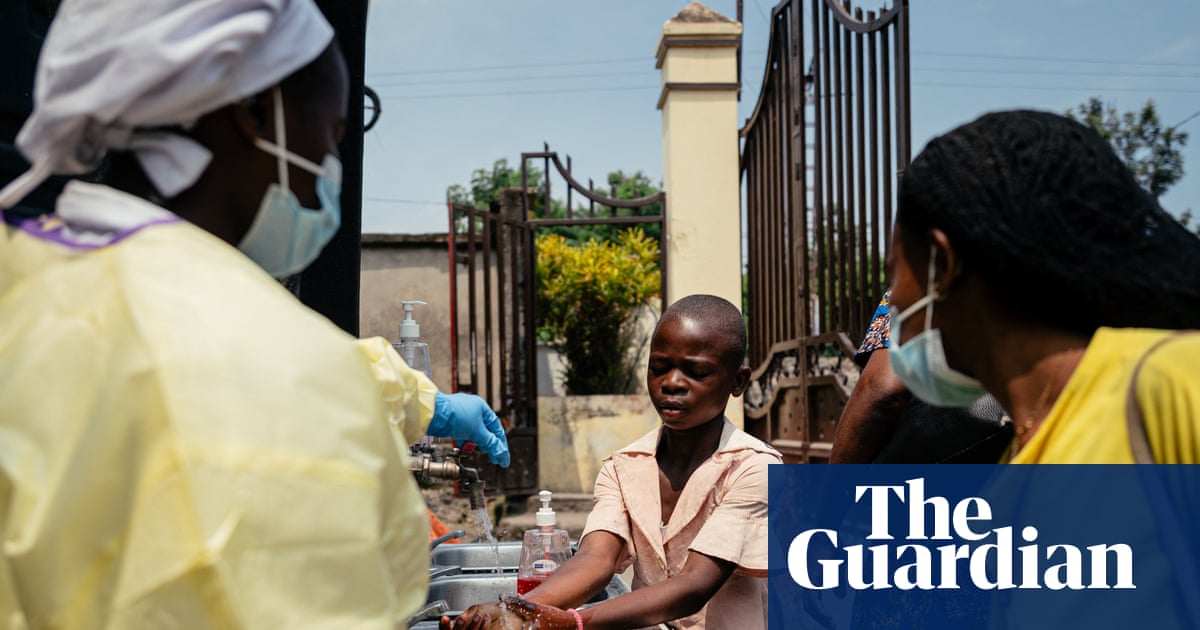
The WHO and health authorities are scrambling to contain an Ebola outbreak in the DRC, where at least 87 deaths have been reported, while a global preparedness report warns the world is becoming less resilient to infectious disease outbreaks. The GPMB said pandemic risk is rising faster than preparedness investment, with climate change, armed conflict and geopolitical fragmentation worsening vulnerability. The report also highlighted delays in vaccine access during recent mpox outbreaks and called for a permanent monitoring mechanism, a finalized pandemic agreement and dedicated financing for outbreak response.
The market implication is less about the direct health headlines and more about a renewed stress test for fragile supply chains, public budgets, and travel demand. The immediate winners are suppliers with consumables, cold-chain, diagnostics, and outbreak-response logistics; the second-order winner is any company with redundant manufacturing footprints and inventory buffers, because scarcity in PPE, testing inputs, and hospital consumables tends to reprice procurement power quickly when governments scramble. The losers are exposed EM sovereigns and frontier tourism/transport names where a single outbreak can trigger abrupt border controls, FX pressure, and delayed capex, with the damage lasting well beyond the medical event.
The more important medium-term signal is that underinvestment in preparedness raises the probability of “policy whiplash”: emergency spending, export restrictions, and ad hoc procurement that benefits incumbents with prequalified supply but penalizes price-competitive newcomers. For biotech, the real option value sits in platform companies that can pivot from discovery to assay/vaccine adaptation rapidly; however, reimbursement and procurement cycles mean the monetization window is measured in quarters, not days. If the crisis broadens or if false-negative testing continues to undermine containment, expect a sharp jump in procurement urgency and a temporary rerating of diagnostics, air filtration, and bioprocessing inputs.
The contrarian view is that the trade is often overextended after the first wave of alarm: governments usually overbuy headline capacity but underdeliver on follow-through, which compresses margins for pure-play PPE and low-differentiation test makers once emergency stocking normalizes. The real underpriced risk is political: fragmented international coordination increases the chance of local export controls and vaccine nationalism, making global platforms more valuable than regional suppliers. Over a 3-12 month horizon, the best asymmetric setup is not “pandemic beta” broadly, but names that benefit from persistent preparedness budgets rather than one-time crisis spikes.
AI-powered research, real-time alerts, and portfolio analytics for institutional investors.
Request DemoOverall Sentiment
strongly negative
Sentiment Score
-0.55
