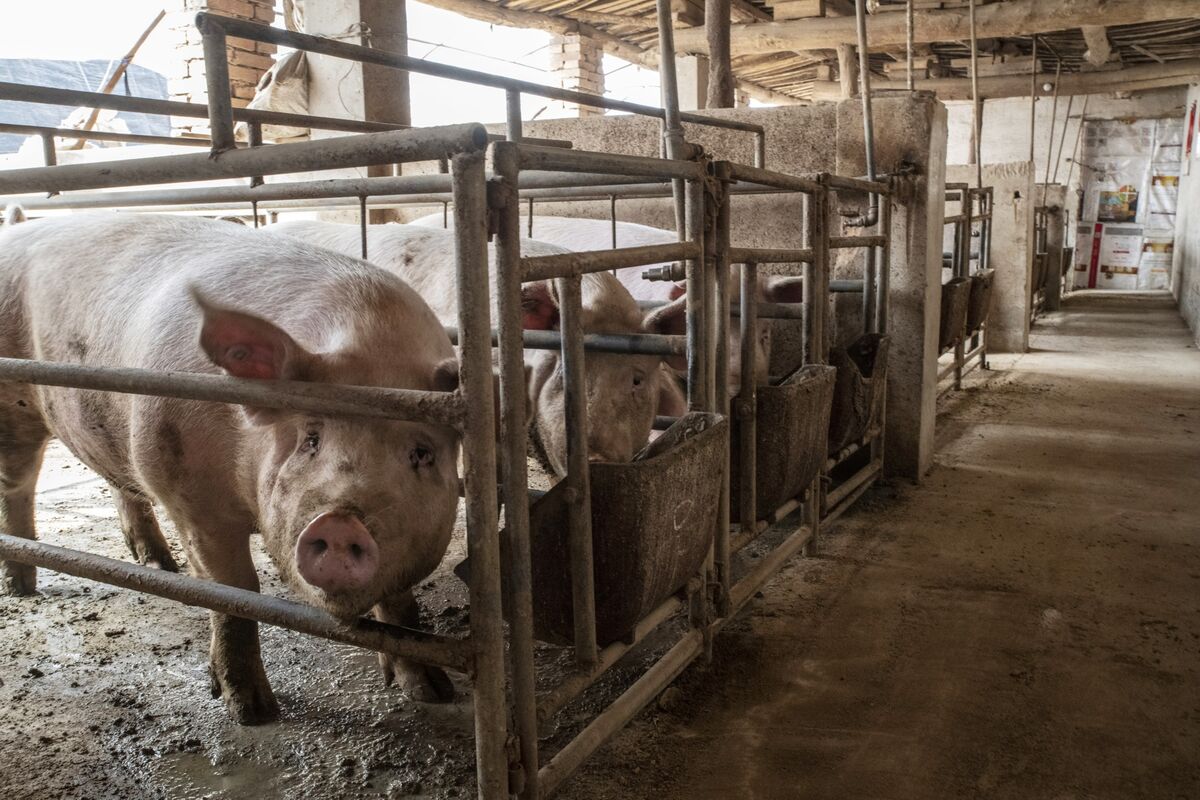
China is urging major pig farmers to reduce breeding herds by approximately 2%, or 1 million sows, as part of a broader effort to combat oversupply in the food sector and alleviate deflationary pressures. Farmers' representatives are expected to convene next week to finalize strategies for this significant reduction in pork production capacity.
China is signaling a significant intervention in its domestic pork market by urging a 2% reduction in its sow herd, equivalent to approximately 1 million sows, in an effort to combat severe oversupply. This directive, channeled through the state-backed husbandry association, directly addresses the deflationary pressures that have been exacerbated by falling food prices, particularly pork, a key component of China's consumer price index. The planned meeting of top farmers to discuss implementation strategies indicates a coordinated, top-down approach to production management. This move represents a deliberate state effort to stabilize a critical commodity market, support producer margins, and counteract broader economic deflation, with the success of the initiative contingent on the effective execution and compliance of the country's largest pig farmers.
AI-powered research, real-time alerts, and portfolio analytics for institutional investors.
Request DemoOverall Sentiment
mildly positive
Sentiment Score
0.25
