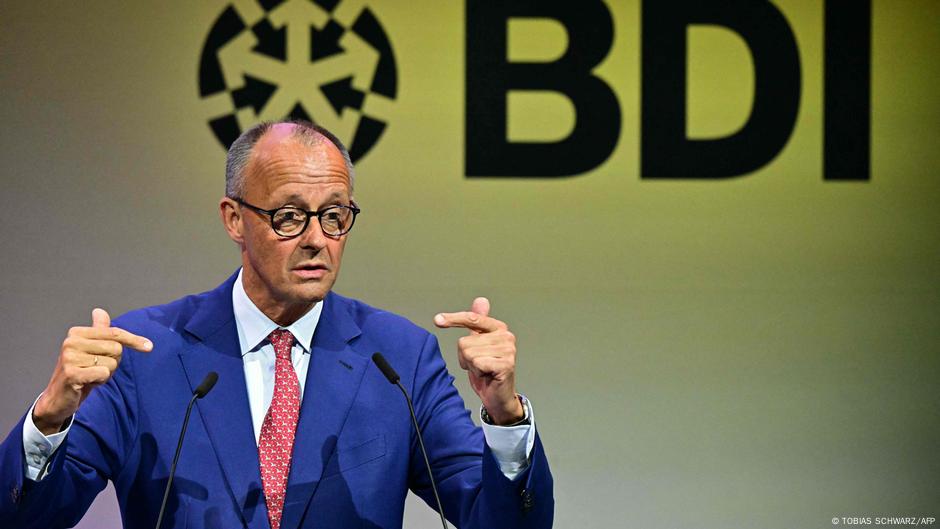
German Chancellor Friedrich Merz announced a significant increase in Germany's defense spending, targeting 3.5% of GDP by 2029, up from 2.4% this year, to foster European strategic independence and reduce reliance on the U.S. for security. This commitment, supported by a Forsa poll showing two-thirds of Germans favor an independent European nuclear deterrent, underscores a broader shift in European security policy. Concurrently, German officials are heightening security at U.S. facilities due to increased threat levels following recent U.S. strikes on Iranian nuclear sites, highlighting escalating regional geopolitical risks.
Germany is undergoing a significant strategic pivot in its defense and security policy, driven by a perceived decline in US security guarantees. Chancellor Friedrich Merz has committed to increasing defense spending from 2.4% of GDP this year to a targeted 3.5% by 2029, a material fiscal commitment aimed at achieving European strategic independence. This policy shift is underpinned by strong domestic support, evidenced by a Forsa poll indicating 64% of Germans favor an independent European nuclear deterrent—a rare consensus across political lines. The urgency of this re-evaluation is underscored by immediate geopolitical threats; German officials have confirmed an increased security posture at US military bases within Germany following American strikes on Iran, acknowledging a tangible rise in the abstract threat level. This confluence of long-term strategic realignment and acute, short-term risk management highlights a new, more assertive and self-reliant security posture for Germany and, by extension, Europe.
AI-powered research, real-time alerts, and portfolio analytics for institutional investors.
Request DemoOverall Sentiment
mildly positive
Sentiment Score
0.25
