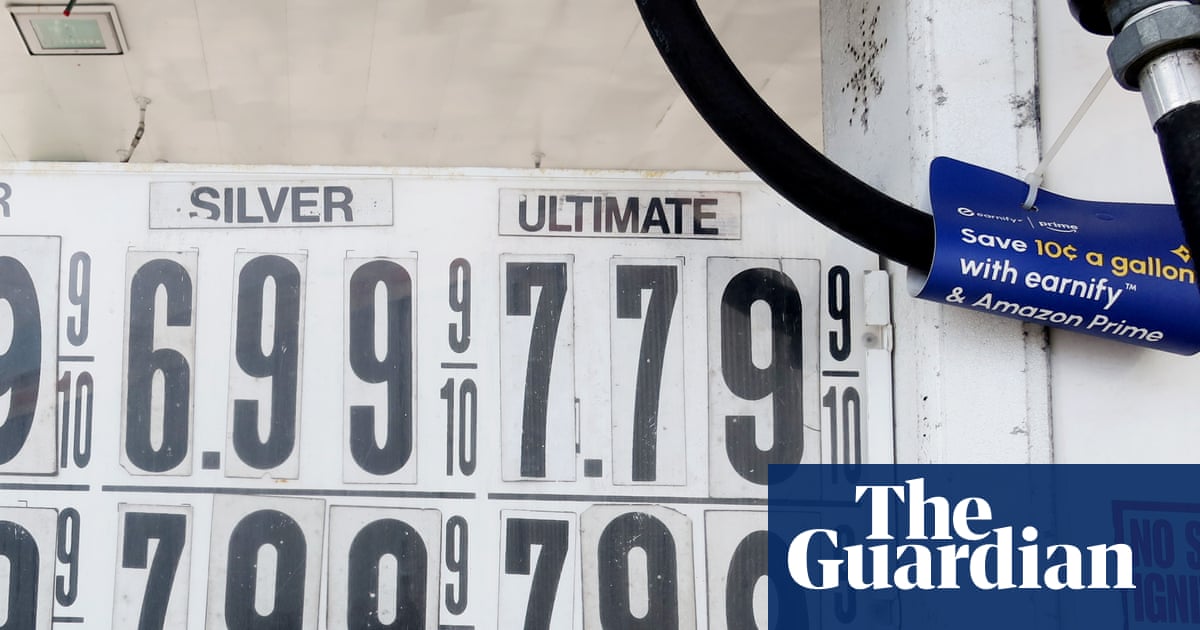
Global consumers have paid more than $100bn extra to fossil-fuel companies since the Iran-related conflict began and the US national average gasoline price has risen to nearly $4/gal after threats to close the Strait of Hormuz and strikes on Iranian infrastructure. The administration has actively rolled back clean-energy projects (including a $1bn payment to TotalEnergies to halt an offshore windfarm) and is convening the ESA “God squad” to ease Gulf drilling, increasing regulatory and legal risks and threatening species such as the Rice’s whale (~50 individuals). These developments elevate sector-wide oil price volatility and create market-wide geopolitical risk premia on energy prices and supply.
Recent policy choices and enforcement actions are effectively raising the implicit political risk premium on hydrocarbon infrastructure and contracts; that premium trades through to project financing (higher spreads), insurance costs, and counterparty pricing within weeks. Expect WACC for politically-exposed offshore and cross-border projects to rise by 100–200 basis points versus comparable onshore projects, which compresses NPV and accelerates consolidation among developers who can bear higher financing costs.
Market microstructure will amplify short-term moves: energy sector cashflow volatility increases demand for liquidity and option protection, pushing implied vols for oil and energy equities materially higher over 30–90 day windows. That creates a commercial window where sellers of covered calls on large-cap integrated names capture rich premia, while buyers of protection can hedge idiosyncratic political tail risk cheaply relative to historical geopolitical episodes.
On a medium-term horizon (12–36 months) this environment re-prices two channels simultaneously — near-term rent extraction for fossil incumbents and an elevated execution risk for build-out of renewables in jurisdictions where permitting becomes politicized. The net result is a bifurcated opportunity set: short-duration tactical plays around energy-vol and majors, and longer-duration asymmetric optionality on regulated utilities and large-cap renewables OEMs that can endure episodic policy swings.
Watchable triggers that will reverse the current risk-off bias are clear: credible de-escalation or coordinated strategic releases of inventory within 30–90 days, large public financing backstops for renewables, or a marked fall in insurance/reinsurance pricing for offshore projects. Any of those would compress the political premium and rapidly re-rate renewable-exposed equities relative to fossil incumbents.
AI-powered research, real-time alerts, and portfolio analytics for institutional investors.
Request DemoOverall Sentiment
strongly negative
Sentiment Score
-0.62
Ticker Sentiment
