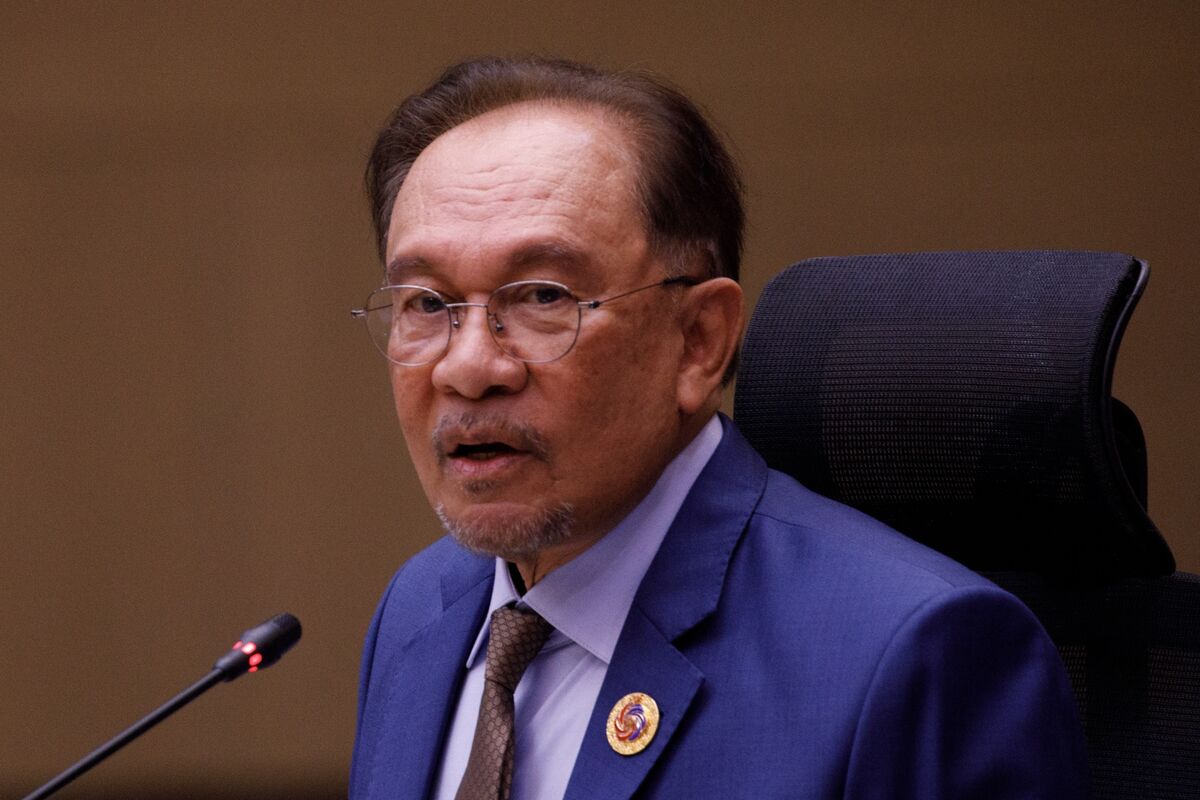
Malaysian Prime Minister Anwar Ibrahim is facing escalating protests demanding his ouster, nearly three years after taking office in late 2022 on a platform of significant reform and fiscal discipline. His administration's failure to deliver on promises for cleaner government, a leaner budget, and targeted subsidies, instead resorting to political compromises, has fueled public discontent. This growing instability suggests heightened political risk and policy uncertainty for investors in Malaysia.
The administration of Malaysian Prime Minister Anwar Ibrahim, who took office in late 2022 on a strong reformist platform, is facing escalating political turmoil due to a significant gap between promises and implementation. Key commitments to establish cleaner governance, institute a leaner budget, and dismantle patronage politics have not been met nearly three years into the term. The government's pivot from planned fiscal discipline, such as targeted subsidies and reduced public spending, towards short-term political compromises has eroded public trust and triggered protests demanding his ouster. This failure to enact promised reforms signals heightened political risk and policy uncertainty, creating a challenging investment environment where the government's capacity for meaningful fiscal consolidation is in serious doubt.
AI-powered research, real-time alerts, and portfolio analytics for institutional investors.
Request DemoOverall Sentiment
strongly negative
Sentiment Score
-0.70
