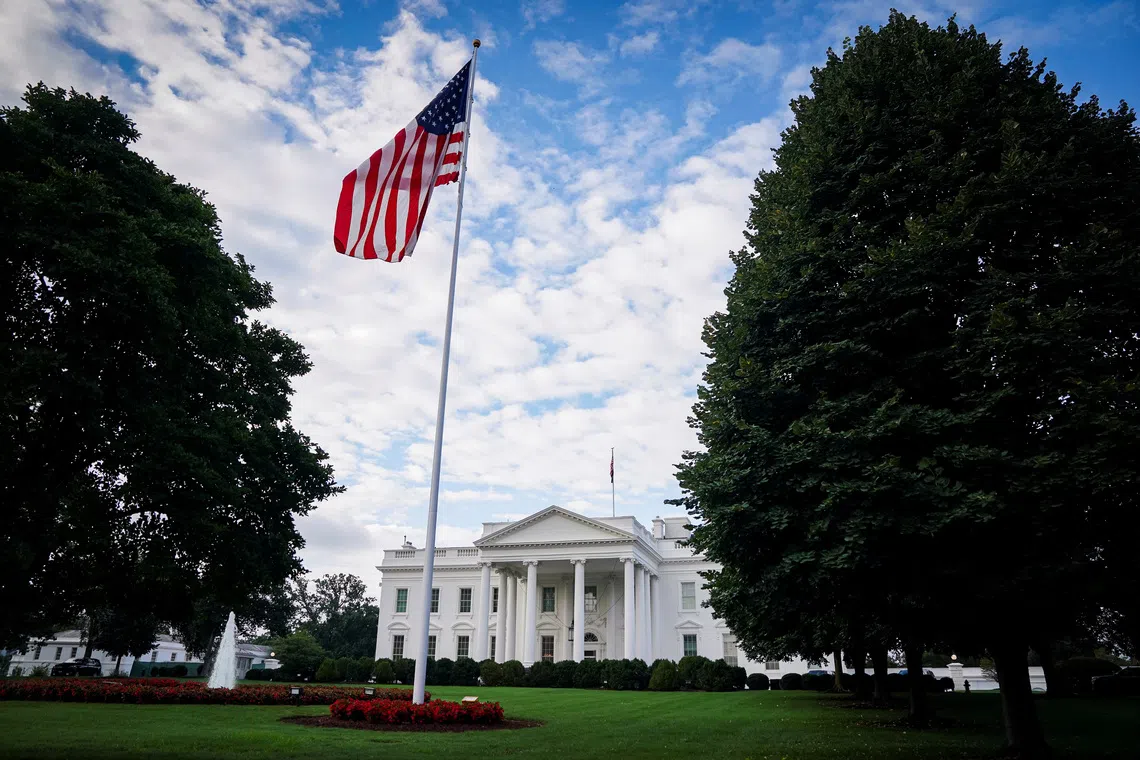
Late on Dec. 18 a live video stream from a YouTuber known as @realmattmoney briefly appeared on the White House 'Live News' page for about an hour before disappearing; it is unclear whether this was a hack or an accidental post and the White House has not commented. The incident follows the Senate confirmation of Ethan Klein as US chief technology officer earlier that day and recalls a 2014 intrusion of unclassified White House networks attributed to actors believed linked to Russia; the episode poses reputational and cyber‑security policy risk but is unlikely to move markets materially.
Market structure: A headline-level White House website anomaly is a positive shock for cybersecurity and identity vendors (CrowdStrike CRWD, Palo Alto PANW, Okta OKTA, Fortinet FTNT, ETF HACK) and marginally for cloud providers (AMZN, MSFT) who win remediation/hosting spend. Small/mid-cap government IT contractors and legacy CMS/CDN providers (e.g., ManTech MANT, Akamai AKAM) face reputational risk and potential contract repricing. Expect a 3–10% re-rate in cybersecurity vendors on news flow and a gradual 5–15% increase in federal/agency RFPs over 6–12 months as budgets realign.
Risk assessment: Tail risks include a confirmed breach leading to regulatory fines, accelerated cybersecurity mandates, or congressional procurement freezes — outcomes that could reprice affected vendors by >20% over quarters. Immediate (days) risk: headline-driven squeezes ±5–8%; short-term (weeks–months): contract awards and budget signals; long-term (6–18 months): programmatic spending shifts and new compliance costs. Hidden dependencies: federal appropriations cycles, CTO-driven policy changes, and contractor dependency on classified vs unclassified networks that alter revenue mix.
Trade implications: Direct plays — overweight CRWD and PANW (2–3% portfolio each) and buy 1–2% of HACK ETF as a diversified proxy; reduce/short 0.5–1% exposure to MANT (ManTech) or small-cap gov IT firms with weak balance sheets. Options — buy 3–6 month calls on CRWD and OKTA ~10–20% OTM (size 0.5–1% notional each) to play budget-driven re-rating while capping downside. Entry: deploy within 1–5 trading days; exits at +15–25% or on release of DHS/CISA guidance; stops at -8–12%.
Contrarian angles: The market may overreact to a non-malicious glitch; if investigators classify it as accidental, expect a 20–40% retracement in initial cybersecurity pop — favour call spreads over naked longs to manage that. Historical parallel: post-2014 White House network incidents produced short-lived vendor pops then steady multi-quarter revenue growth as budgets flowed, so medium-term (6–18 months) secular long in cybersecurity is underpriced. Unintended consequence: heavy public flows into a few names could push valuation multiples beyond achievable contract cadence, creating dispersion and pair-trade opportunities.
AI-powered research, real-time alerts, and portfolio analytics for institutional investors.
Request DemoOverall Sentiment
neutral
Sentiment Score
-0.10
