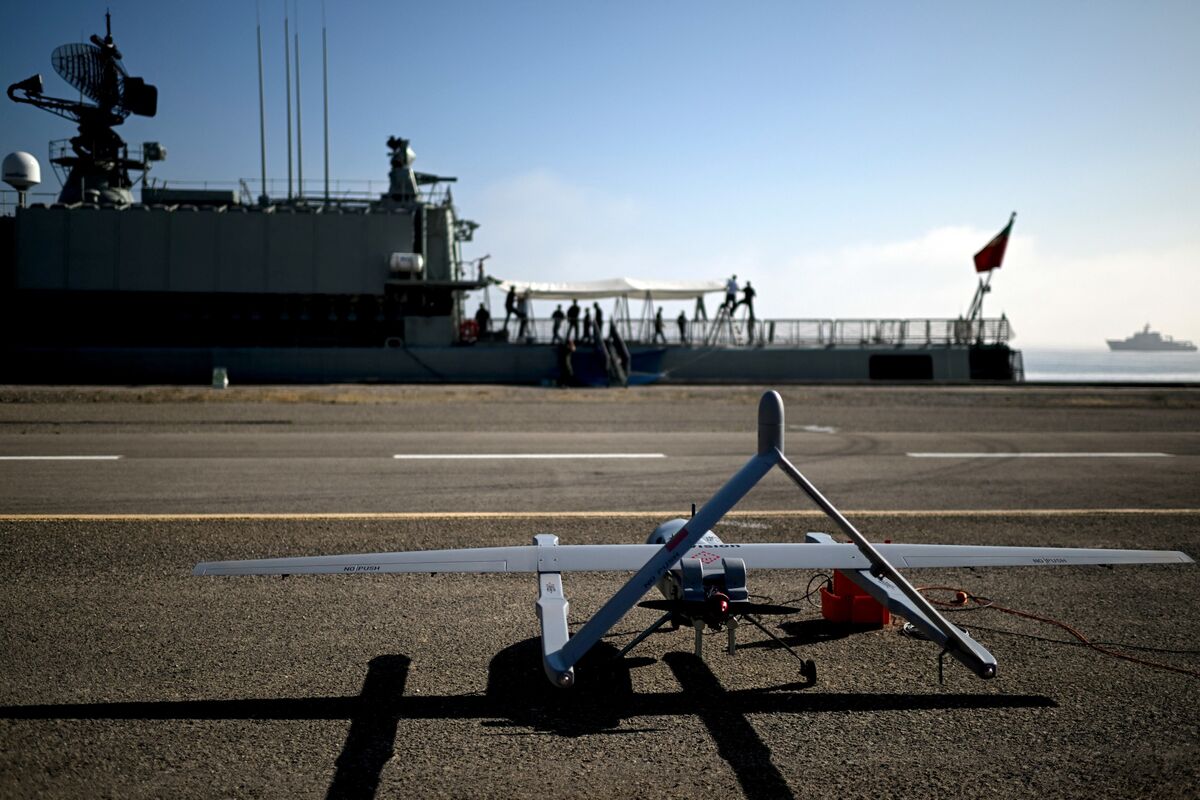
Portugal plans to increase defense spending to 2% of GDP by 2025, fulfilling its NATO commitment to invest in goods, infrastructure, and equipment. This initiative, outlined in the government program submitted to parliament, follows the ruling center-right coalition's recent election victory and Prime Minister Luis Montenegro's second term.
Portugal's government has formally committed to elevating its defense expenditure to 2% of Gross Domestic Product by 2025, a reaffirmation of its plan to accelerate investment in this sector. This target aligns with Portugal's obligations as a NATO member, with a specific allocation of one-fifth of the investment towards goods, infrastructure, and equipment. The initiative is presented within the government program handed to parliament following the re-election of the center-right coalition led by Prime Minister Luis Montenegro, suggesting a stable political backing for its implementation. This planned fiscal expansion into defense, while assessed with a mildly positive sentiment (0.3) and a low market impact score (0.25), represents a significant redirection of national resources, potentially impacting companies in the defense and infrastructure supply chains and reflecting broader geopolitical considerations.
AI-powered research, real-time alerts, and portfolio analytics for institutional investors.
Request DemoOverall Sentiment
mildly positive
Sentiment Score
0.30
