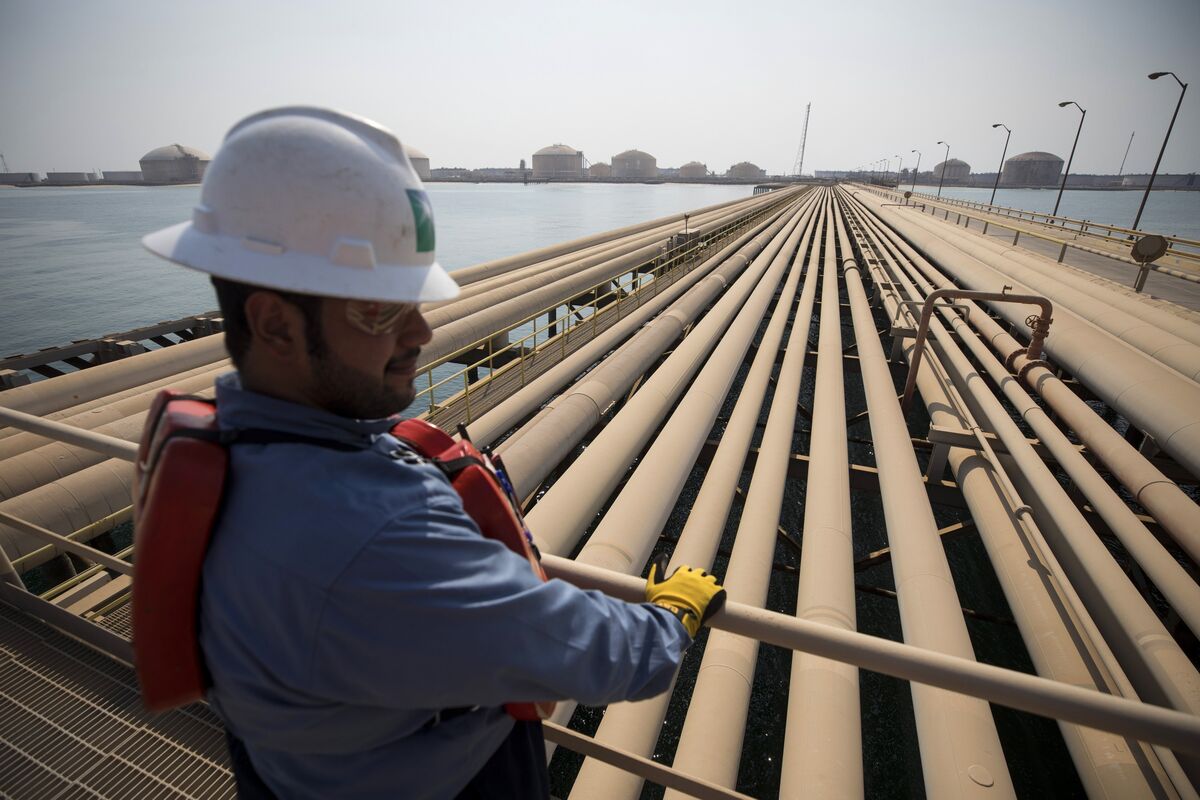
Saudi Aramco has increased its Arab Light crude prices for Asian buyers by $1/barrel for September shipments, raising the premium to $3.20/barrel. This marks the second consecutive monthly price hike, exceeding market expectations of a $0.90 increase, and signals Saudi Arabia's strong confidence in robust Asian demand despite ongoing OPEC+ supply increases.
Saudi Aramco has raised the official selling price for its Arab Light crude to Asia by $1.00 per barrel for September shipments, establishing a new premium of $3.20 per barrel. This marks the second consecutive monthly increase and notably exceeds the market consensus, which anticipated a more modest $0.90 hike according to a survey of refiners and traders. The decision to implement a larger-than-expected price increase, even as OPEC+ proceeds with plans to add more supply to the market, serves as a strong signal of Saudi Arabia's confidence in the robustness of near-term Asian demand. This move suggests the world's largest exporter believes the market can comfortably absorb both higher prices and increased production volumes, reflecting a bullish outlook on the energy demand recovery.
AI-powered research, real-time alerts, and portfolio analytics for institutional investors.
Request DemoOverall Sentiment
strongly positive
Sentiment Score
0.70
