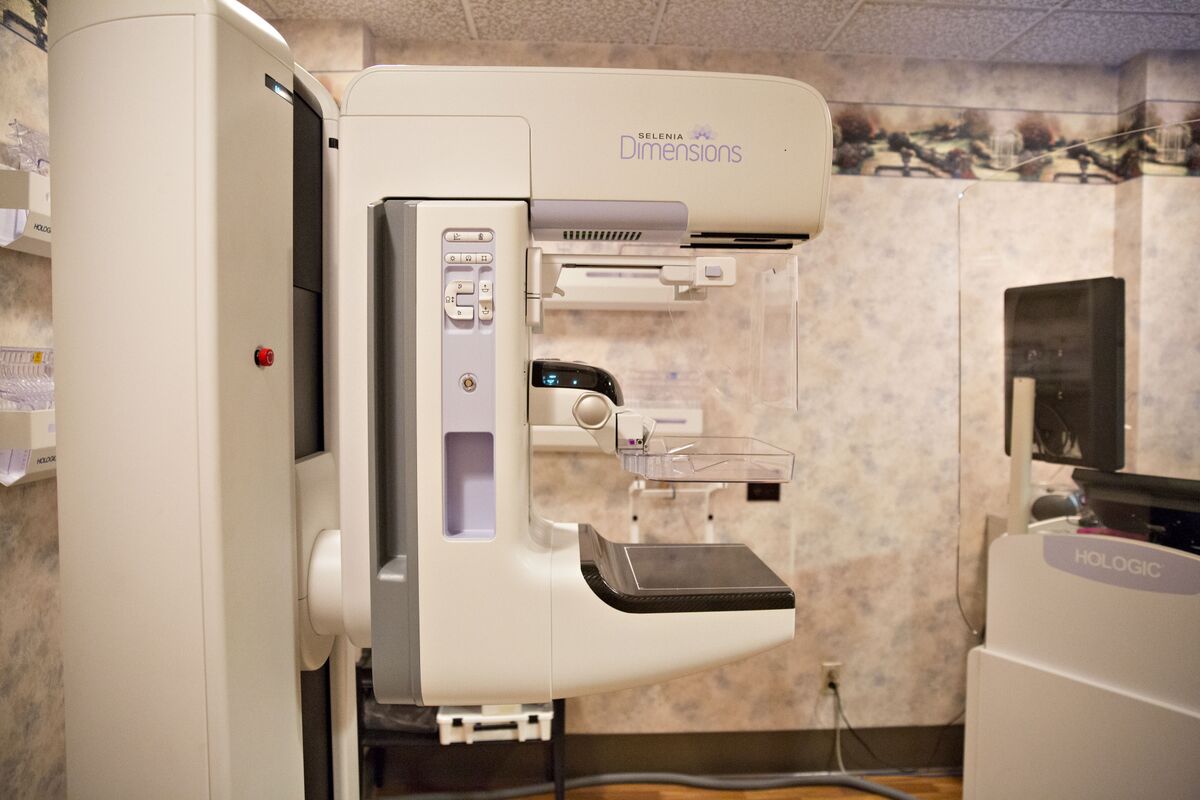
Canadian pension giant PSP Investments, Oaktree Capital, Franklin Templeton and a group of private lenders bought roughly $2 billion of subordinated debt that banks had underwritten as part of Blackstone and TPG’s acquisition financing for Hologic. The tranche is part of a broader $12.25 billion package backing the medical-device maker’s buyout, priced at a 1% discount and paying 5 percentage points over the floating-rate benchmark. Participation by multiple direct lenders — including Palmer Square, Oak Hill, Sona, Lord Abbett and Blackstone’s credit arm — signals strong private-credit demand and successful distribution of the deal’s lower-tier debt.
Market structure: This deal shows banks de‑risking large LBO syndications and shifting subordinated risk to private credit; direct lenders (PSP, Oaktree, Franklin, Blackstone credit) capture spread premium (~+500bp floating) and fee income, while banks shrink hold‑size and capital consumption. Expect increased private credit market share in middle‑market and sponsor‑led financings over 6–18 months, compressing loan spreads for highly syndicated bank paper but maintaining wider cushions for subordinated tranches.
Risk assessment: Tail risks include a macro downturn that pushes medical device volumes down (20–40% EBITDA hit scenario), covenant erosion in covenant‑lite structures, or regulatory scrutiny of private lenders — any could trigger double‑digit default spikes in stressed sectors. Near term (0–3 months) credit appetite stays strong; medium term (3–12 months) watch refinancing cliffs and sponsor leverage >5.0x; long term (12+ months) illiquidity and markdown risk for private debt funds if rates jump >200bp.
Trade implications: Favor sponsor/asset managers tied to private credit (BX, BEN) and floating‑rate instruments: allocate 2–3% to BX and 1–2% to BEN (3–12 month horizon) and 2–4% to senior‑loan ETF BKLN or direct CLO equity selectively; use 3–6 month call spreads on BX/BEN to finance positions. Hedge with short HYG 3‑month 10%/15% put spreads or buy 1–2% notional CDX‑HY protection if HY spreads widen >100bp.
Contrarian angles: Consensus underestimates concentration and liquidity risk — private lenders are taking subordinate paper at tight prices (99c) but mark‑to‑market illiquidity means a small default wave could produce outsized markdowns. If regulatory or sponsor capital stress emerges, private credit could reprice quickly; prefer staged entries and tight stop losses (15–25%) on credit‑exposed equities.
AI-powered research, real-time alerts, and portfolio analytics for institutional investors.
Request DemoOverall Sentiment
neutral
Sentiment Score
0.10
Ticker Sentiment
