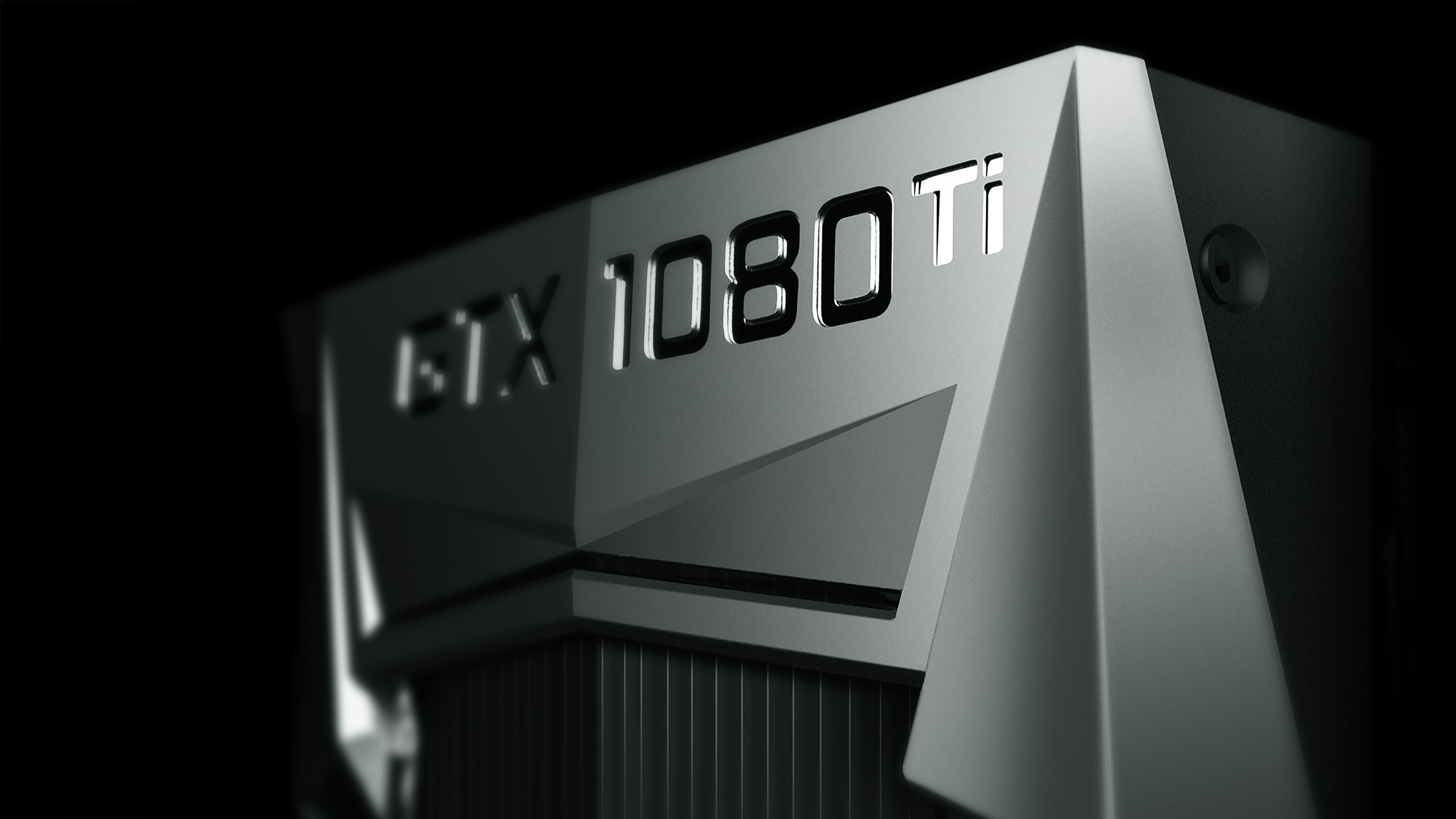
Arch Linux has switched its default Nvidia Linux driver to legacy version 590, dropping support for Pascal (GTX 10-series) GPUs after Nvidia ended default Game Ready driver coverage for Maxwell and Pascal in July and limited those cards to quarterly security updates through October 2028. Users can still run older Nvidia GPUs by uninstalling current packages and installing the Nvidia-580xx-dkms driver, while open-source Nouveau remains constrained by firmware limits; the change is primarily technical and user-facing and unlikely to have material market or revenue implications for Nvidia.
Market structure: This is a niche but visible shift favoring AMD (AMD) in the Linux/enthusiast desktop segment—expect a gradual reallocation of used-PC demand and OEM goodwill rather than a near-term revenue hit to Nvidia (NVDA). Quantitatively, anticipate used GTX-10 series resale prices to fall ~15–30% over 3 months and a potential 1–3 percentage-point desktop discrete share gain for AMD in the Linux-focused cohort over 12–24 months. Broader pricing power for NVDA in data-center and gaming high-end remains intact; consumer-class lifecycle effects are small relative to NVDA’s revenue base (>60% of FY revenue from non-desktop).
Risk assessment: Tail risks include a larger-than-expected migration to AMD driven by Valve/Steam or a major distro adoption (20%+ Linux gamer base shift within 12 months), and potential open-source breakthroughs that unlock Pascal performance—both would accelerate AMD adoption and depress NVDA desktop demand. Immediate (days) effects are sentiment-only; short-term (weeks–months) see used-market adjustments and community narratives; long-term (quarters–years) rewards hinge on sustained software support and OEM bundling. Hidden dependency: gaming replacement cycles and Proton/SteamDeck strength are decisive variables, not just driver policy.
Trade implications: Tactical relative-value trades favor modest long AMD exposure and hedged, limited NVDA downside protection. Consider a 2–3% portfolio long in AMD stock or 3–9 month 15–25% OTM call spreads, paired with a 0.5–1% protective put or put spread on NVDA for 3 months; target holding 3–12 months and trim at +15% gains or if NVDA desktop guidance changes materially. Avoid large outright NVDA shorts given datacenter moat; prefer option hedges sized to limit drawdown to <1% portfolio.
Contrarian angles: Consensus overstates immediate financial damage to NVDA—its core GPU roadmap and CUDA lock-in protect earnings; the market may be underpricing the persistence of Pascal in legacy fleets where many users won’t upgrade for 2–4 years. Conversely, the reaction may underprice software-driven share shifts: if Valve/MSFT prioritize AMD/driver openness, AMD could capture >5% desktop share within 18 months, making small, tactically sized AMD longs high reward. Monitor distro adoptions and Steam/Valve announcements as binary catalysts.
AI-powered research, real-time alerts, and portfolio analytics for institutional investors.
Request DemoOverall Sentiment
neutral
Sentiment Score
0.00
Ticker Sentiment
