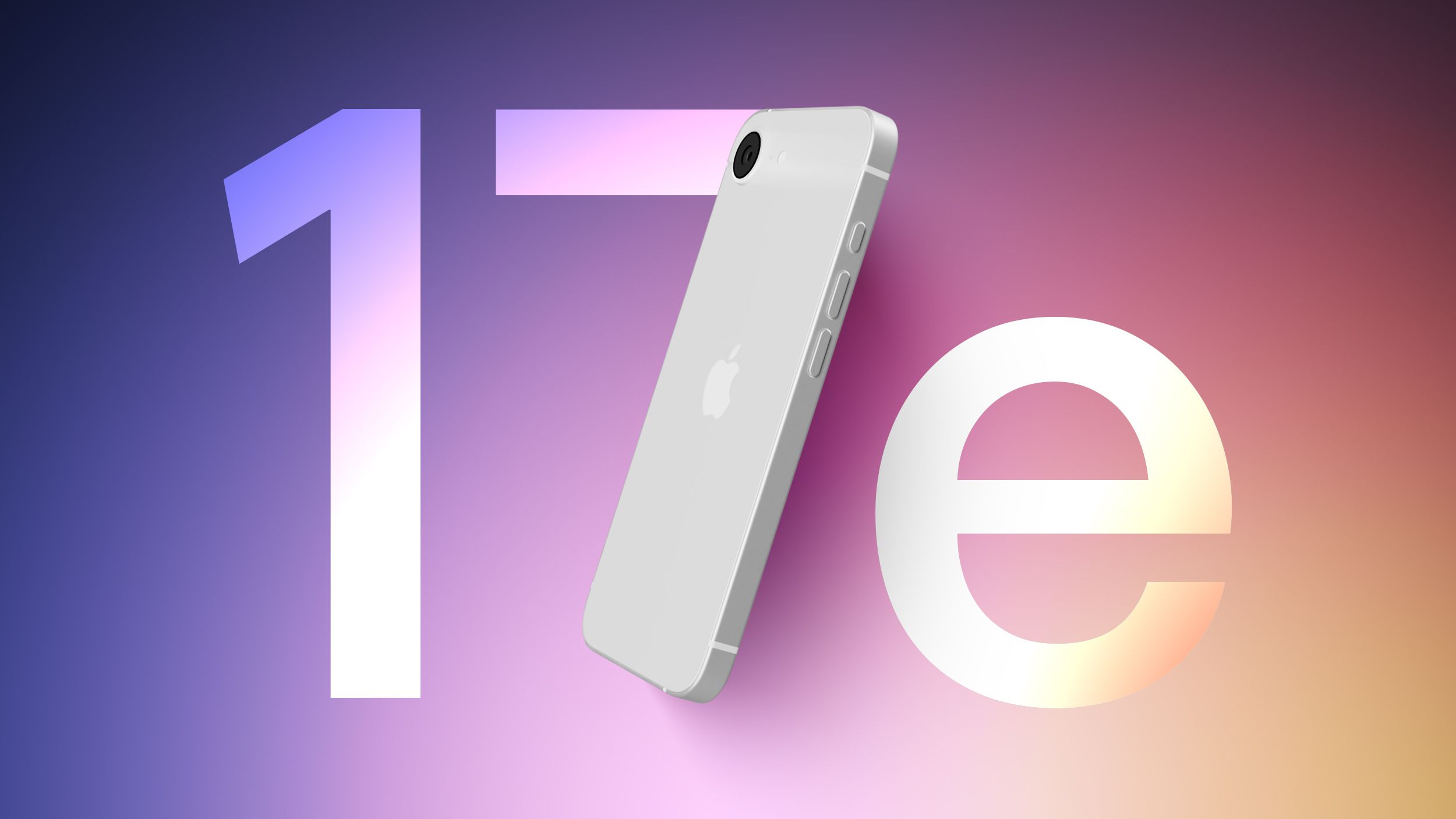
Apple's lower-cost iPhone 17e is expected to retain a 6.1-inch LTPS OLED panel (60Hz) primarily supplied by BOE, with Samsung Display and LG Display as supplementary suppliers, while adopting slimmer bezels but likely keeping the notch rather than adding Dynamic Island. Reusing the iPhone 14–based panel and existing sensor tooling reduces manufacturing costs and preserves product differentiation from flagship iPhone 17 models; BOE's limited LTPO capability explains the lack of variable refresh and the device is on track for an early next-year launch.
Market structure: The iPhone 17e design tweak (slimmer bezels, reuse of iPhone-14 OLED panels) benefits low-cost panel producers (BOE as primary, plus Samsung Display/LG Display) by extending LTPS/LTPS-based demand without LTPO investment. Apple preserves premium segmentation (Dynamic Island remains differentiator) so ASP uplift for flagship models is intact; incremental unit demand for the “e” refresh is likely modest—estimate <3–5% incremental iPhone units versus prior-year cycle unless price cuts occur.
Risk assessment: Key tail risks include BOE production failures or geopolitical trade restrictions forcing Apple to re-source panels (3–7% downside to iPhone supply in a quarter), and demand-side surprises if consumers interpret the reuse as stale—could pressure quarterly iPhone revenue by multiple percentage points. Near-term (days–weeks) watch for supplier inventory/earnings whispers; short-term (1–3 months) watch channel checks and pre-launch orders; long-term (2–4 quarters) effects hinge on BOE LTPO capability and Apple’s component requalification decisions.
Trade implications: Favored direct plays are supply-chain exposure (display suppliers) over Apple hardware exposure; volatility around launch favors directional, capped-risk options (debit call spreads) for upside and covered-call income strategies if you hold AAPL. Cross-asset: small risk-off on chip/material cyclicals if large re-use reduces component orders (could marginally ease spot pricing for certain display materials), USD/JPY/KRW sensitivities matter for Korean suppliers; bonds unaffected materially.
Contrarian angles: Consensus assumes minimal demand impact; the miss is optionality—if Apple keeps notch it signals sustained cost discipline and could expand “e” volume in emerging markets, boosting BOE revenues 10–20% YoY in worst/best scenarios. Conversely, adoption of Dynamic Island in mass models would force sudden CAPEX and retooling for suppliers—monitor component purchase orders and Ming-Chi Kuo/Gurman leaks as early read-throughs.
AI-powered research, real-time alerts, and portfolio analytics for institutional investors.
Request DemoOverall Sentiment
neutral
Sentiment Score
0.05
Ticker Sentiment
