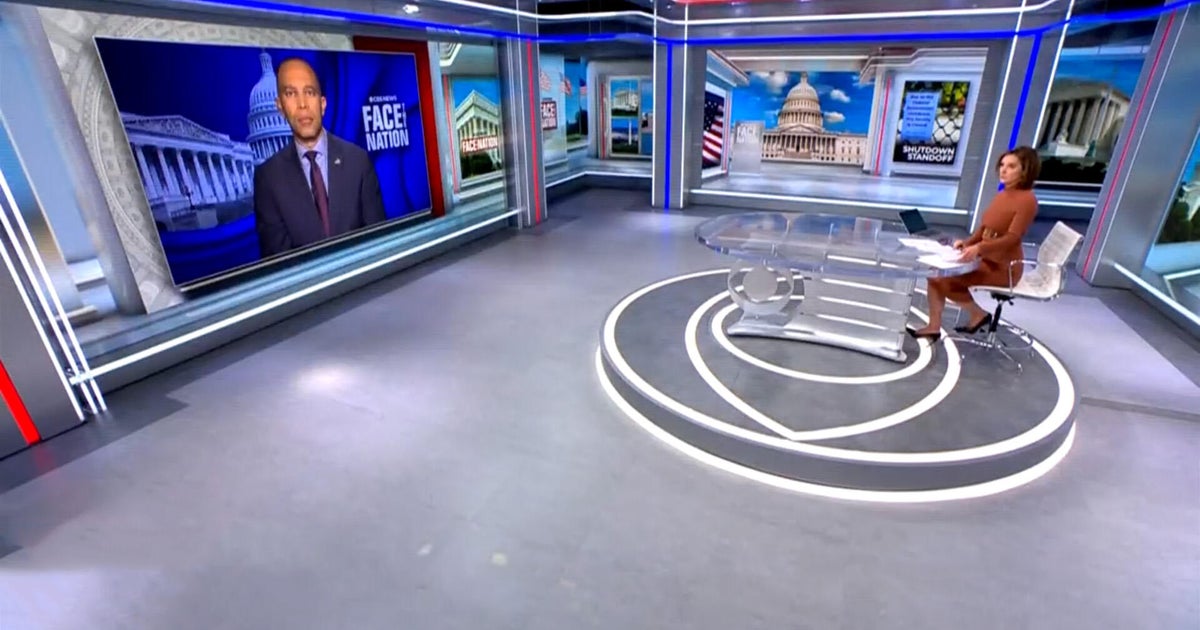
The program covers escalating domestic unrest in Minneapolis — including a nearly 3,000‑agent ICE deployment, 1,500 active‑duty soldiers on standby in Alaska for potential Minnesota deployment, and a CBS poll showing 53% of Americans favor reducing ICE operations and 60% saying ICE tactics are too tough — alongside President Trump’s international overtures toward buying Greenland and threats of tariffs on Denmark and six NATO partners. Congressional and NATO leaders warn the Greenland/tariff rhetoric risks a rupture with allies, threatens trade negotiations and NATO cooperation, and adds geopolitical uncertainty that could complicate U.S. leverage on Iran, Venezuela and broader security posture; investors should monitor potential tariff actions, alliance fallout, and associated downside risks to trade‑sensitive and defense sectors.
Market structure: Short-term winners are defense and domestic security contractors (Lockheed Martin LMT, Raytheon RTX, Northrop Grumman NOC) and safe-haven assets (GLD, TLT) as NATO frictions and tariff rhetoric increase perceived geopolitical risk. Losers: European exporters and partner-dependent defense supply chains (European equity ETF VGK, UK/France industrials) and sectors sensitive to tariffs (autos, luxury goods); EUR likely to weaken vs USD on risk-off. Cross-asset: expect immediate FX USD strength, gold +1–3% intraday, 10y Treasuries rally (yields -10–30bp) on flight-to-safety and option-vol-driven vol spikes.
Risk assessment: Tail risks (low prob/high impact) include a tariff/Tweet escalation >10% leading to EU retaliatory tariffs and threatened NATO disintegration — market shock could be -5–10% US equities in weeks. Time horizons: immediate (days) = volatility spikes; short-term (weeks–months) = tariff implementation and congressional/supreme-court rulings on presidential tariff authority; long-term (quarters–years) = sustained defense reallocation and supply-chain reshoring. Hidden deps: Supreme Court decision on tariff authority, midterm politics, and classified military basing negotiations; catalysts include Senate NATO bills, EU retaliatory tariffs, and any administration military moves.
Trade implications: Tactical plays — establish 2–3% long positions in LMT/RTX/NOC (stagger buys over 2–4 weeks) and 1–2% long in GLD or GDX as tail-hedge; pair trade long US defense (LMT) vs short VGK (3–6 month view) to capture risk-premium divergence. Options: buy 3-month calls 5–10% OTM on LMT (~cost = 1–1.5% of portfolio) and a protective 3-month put spread on VGK (10/15% strikes) to limit cost while hedging European downside. Exit/trim triggers: unwind on public de-escalation (10 consecutive trading days of tariff calm) or if defense outperforms S&P by >15% within 3 months.
Contrarian angles: Consensus underestimates diplomatic reversal probability — 2018 US trade skirmishes show large initial moves often mean-revert once talks resume; European equities may be oversold if tariffs remain rhetoric-only. Conversely, political/legal risk to private-detention names (GEO, CXW) is underpriced given domestic polling decline — if public opposition crosses 55% and state AGs open cases, expect regulatory shocks. Unintended consequence: sustained NATO strain could force multi-year defense capex increases benefiting prime contractors but raising inflation expectations — monitor CPI and real yields as second-order signals.
AI-powered research, real-time alerts, and portfolio analytics for institutional investors.
Request DemoOverall Sentiment
moderately negative
Sentiment Score
-0.42
