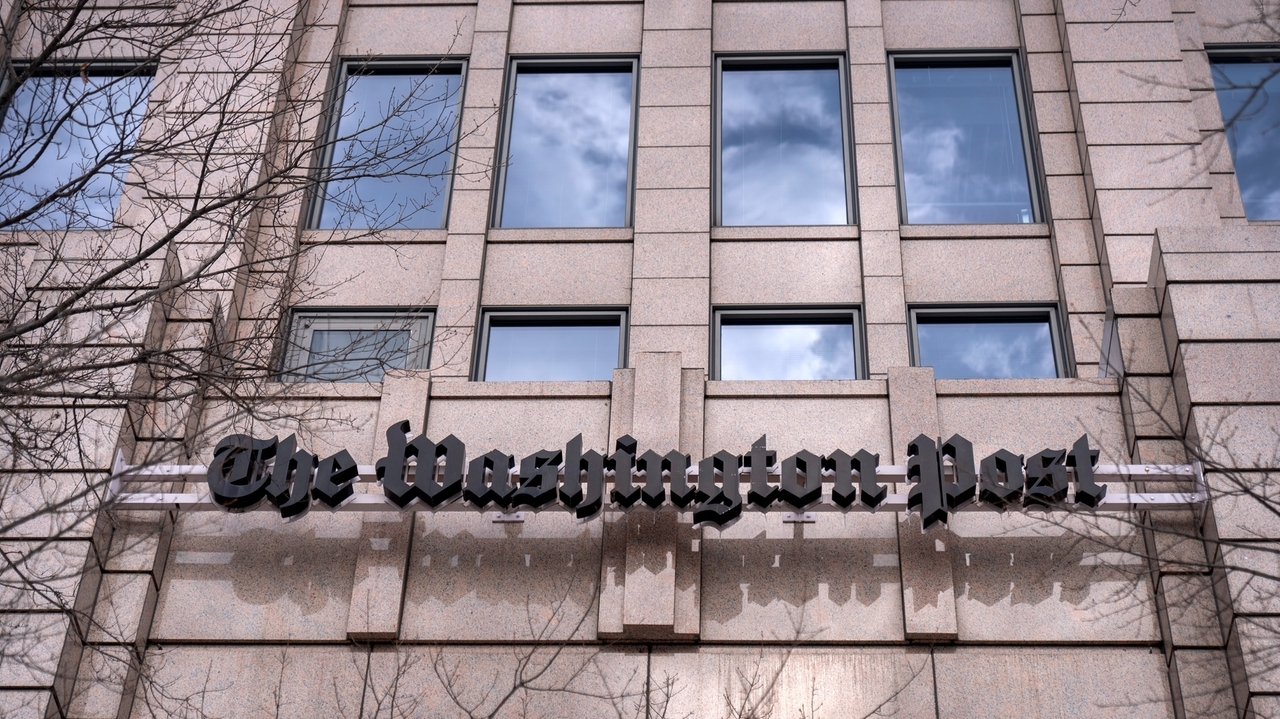
The Washington Post has begun large-scale cutbacks including eliminating its sports department, closing its books desk, shrinking overseas staffing, restructuring Washington-area news and editing teams, and suspending the Post Reports podcast; staff were told roles may be eliminated via email and a total layoff tally was not disclosed. Management attributed the moves to a need to stabilize and rebuild the business amid reported subscriber losses tied in part to owner Jeff Bezos’s editorial decisions and a shift in opinion direction; the changes signal cost-cutting to preserve cash but raise questions about product breadth, audience retention and long-term revenue prospects for the privately held paper.
Market structure: The Washington Post cuts are a net positive for incumbents with scalable subscription products (NYT) and for digital ad platforms that monetize concentrated inventory (GOOGL, META). Expect a near-term (0–3 months) reallocation of a portion of politics/interests-focused subscribers — conservative estimate 1–3% of national politically engaged readers — toward larger national brands; pricing power for subscription-first outlets rises modestly as supply of premium journalism tightens.
Risk assessment: Tail risks include Bezos reversing cuts with a capital infusion (within 30–90 days) or a damaging union-led strike that accelerates subscriber churn >10% in 6–12 months; both would compress short positions and lift private valuations. Immediate market reaction will be headline-driven (days); structural subscriber shifts play out over quarters (2–8 quarters); longer-term (2+ years) outcomes hinge on product investment and political positioning.
Trade implications: Expect NYT to show asymmetric upside vs smaller ad-dependent publishers: short-term volatility could be ±5–8% on headlines, medium-term upside 15–30% if net subscriber growth accelerates over 4 quarters. Options vols on media names should widen around quarterly subscriber/earnings releases; pair trades exploiting relative subscription resilience vs ad-dependency have clear risk controls.
Contrarian angles: Consensus assumes full migration to NYT; that understates audience-brand fit and potential backlash from Washington Post readers who may defect to newsletters or independent outlets. Conversely, cuts could stabilize Post cash flow and make it an acquisition candidate or force content-licensing deals that benefit syndicators — an underappreciated monetization path over 12–24 months.
AI-powered research, real-time alerts, and portfolio analytics for institutional investors.
Request DemoOverall Sentiment
moderately negative
Sentiment Score
-0.50
Ticker Sentiment
