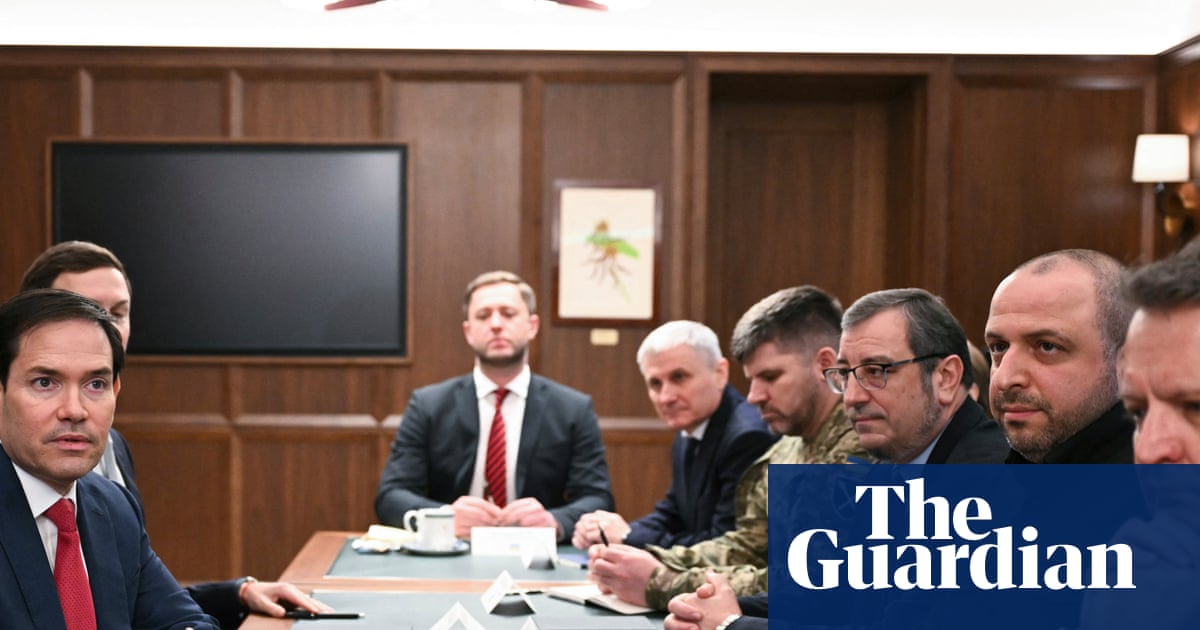
Senior US and Ukrainian officials, including Marco Rubio, Jared Kushner and Rustem Umerov, met in Florida to negotiate revisions to a contested 28-point US-Russia framework intended to end the war in Ukraine, with Kyiv pushing back against proposals seen as favoring Russian demands. The talks come as Ukraine faces battlefield setbacks, civilian casualties, and domestic political turbulence after the resignation of chief of staff Andriy Yermak, while allegations of Ukrainian naval drone attacks on tankers and debate over recognition of territory keep sanctions and energy risks elevated. For investors, the uncertainty increases downside risk for regional assets and energy markets if concessions are made or sanctions regimes shift, while a failure to reach durable security guarantees would sustain geopolitical risk premia.
Market structure: A negotiated US-backed framework that tilts toward concessions would be a near-term negative for defense contractors (LMT, RTX, NOC) and commodities tied to geopolitical risk (Brent, natural gas, wheat); conversely, a de-escalation would pressure oil +10-20% risk premium and reduce defense EPS estimates by ~5-10% over 12 months. Continued fighting preserves energy tightness and defense order visibility, keeping XLE and ITA bid; recognition of occupied territories would reprice sanctions and unlock latent Russian supply risk, compressing European gas spreads.
Risk assessment: Tail outcomes include (A) a sudden ceasefire/recognition scenario that causes oil to drop 5-15% in 1–3 months and defense to unwind 8–15%, or (B) escalation that pushes Brent +15–30% and equity volatility +40% within weeks. Hidden dependencies: Ukrainian domestic politics (Yermak exit), US electoral incentives, and covert naval actions (tankers) materially change sanction trajectories; catalysts are Witkoff’s Moscow trip next week and any published 28-point text within 7–21 days.
Trade implications: Favor tactical energy longs (XLE or Brent call spreads) and protect equity portfolios with short-dated volatility or index put spreads; reduce outright long concentration in large-cap defense to 0–1% and replace with idiosyncratic defense hedges (OTM put spreads on LMT/RTX). FX and sovereign credit: avoid Ukrainian sovereign exposure; consider 1–2% tactical gold/GDX long as insurance if headlines deteriorate.
Contrarian angles: The consensus frames this as binary (peace or war) but misses a prolonged negotiated freeze which would keep commodity premia but leave defense budgets sticky — a sweet spot for contractors to win follow-on maintenance spend even with lower new orders. History (post-2014 Minsk) shows half-measures lead to multi-year low-level conflict; position sizing should therefore be skewed to asymmetric hedges (small, funded options) rather than large directional bets.
AI-powered research, real-time alerts, and portfolio analytics for institutional investors.
Request DemoOverall Sentiment
moderately negative
Sentiment Score
-0.50
