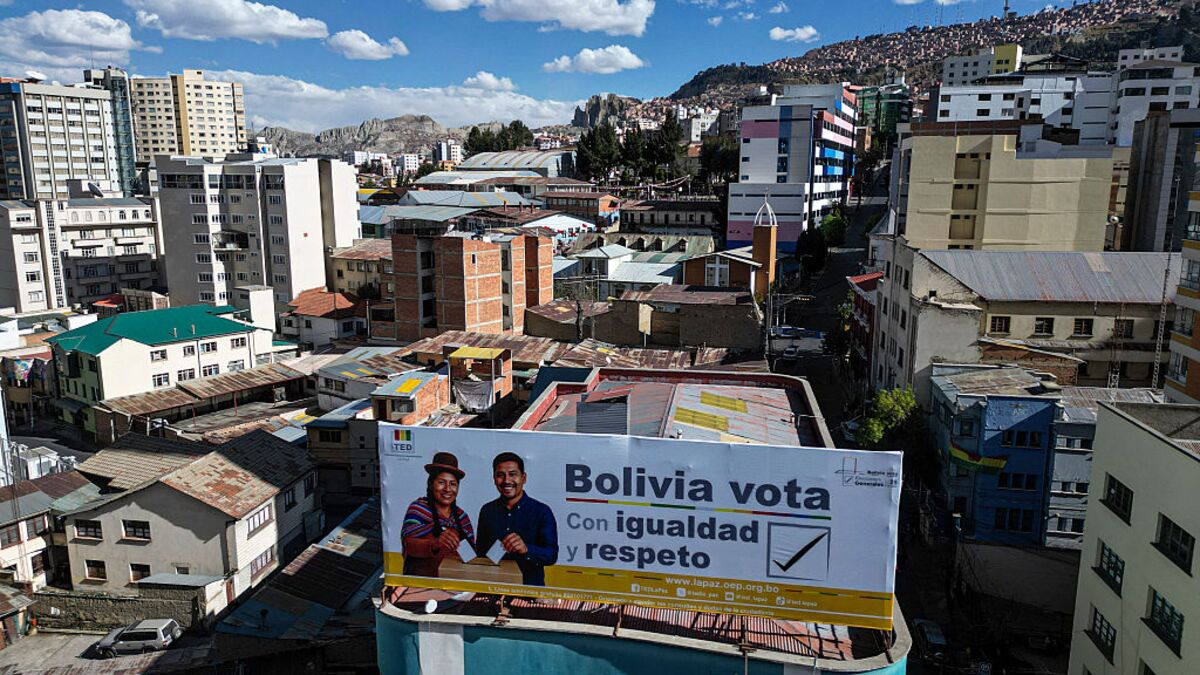
Bolivians are currently voting in presidential and congressional elections that could end two decades of socialist rule, potentially leading to warmer relations with Washington. This pivotal election takes place amid significant economic instability, marked by the steepest inflation in over three decades, widespread shortages, and social unrest, which have severely undermined support for the ruling MAS party, in power almost continuously since 2006.
Bolivia is at a critical political and economic juncture, with ongoing elections potentially ending nearly two decades of socialist rule by the MAS party. The catalyst for this potential shift is a severe economic crisis, marked by the steepest inflation in over three decades, significant goods shortages, and widespread social unrest, which have collectively eroded support for the incumbent government. The outcome carries significant geopolitical weight, as a new administration could pivot towards warmer relations with Washington, suggesting a potential move toward more market-oriented policies. The current environment is characterized by high uncertainty and negative sentiment, reflecting the profound instability, but a change in leadership could represent a fundamental turning point for the country's economic and foreign policy trajectory.
AI-powered research, real-time alerts, and portfolio analytics for institutional investors.
Request DemoOverall Sentiment
moderately negative
Sentiment Score
-0.40
