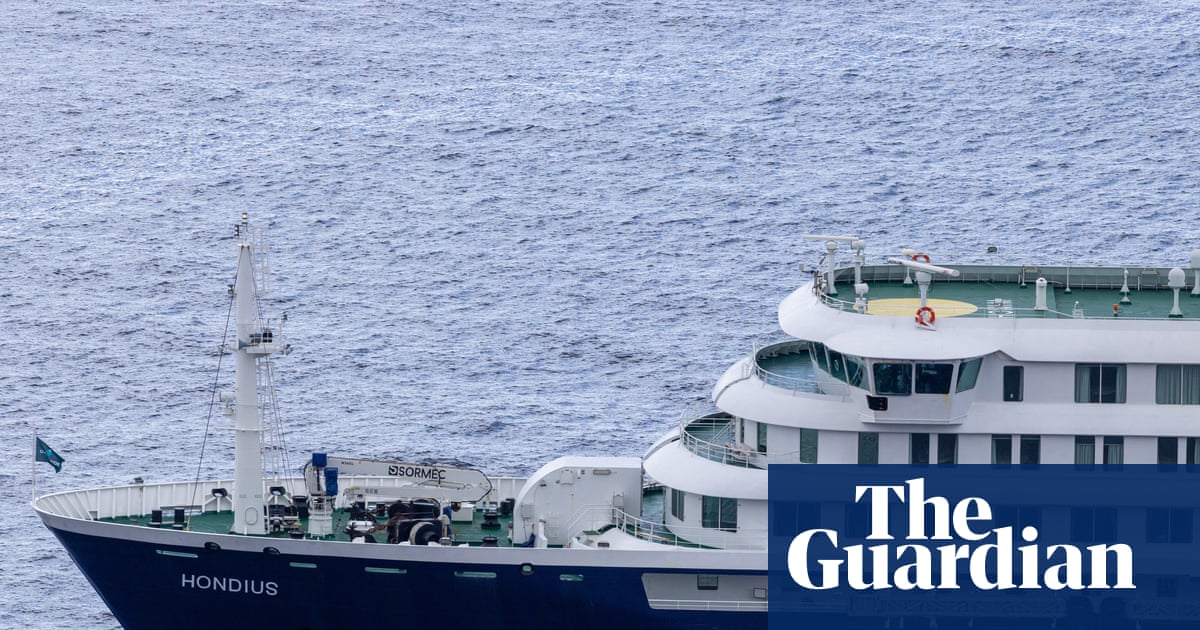
A third British national has been diagnosed with suspected hantavirus linked to the MV Hondius cruise ship outbreak, which has already killed 3 people. British passengers and crew are being monitored, with those disembarking set for repatriation and a 45-day isolation period after returning to the UK. The incident has triggered international alarm and could pressure cruise and broader travel sentiment, though the direct market impact is likely contained.
This is a classic low-probability, high-friction event that hits travel first and healthcare second, but the more interesting implication is operational rather than epidemiological: the story forces a precautionary response across cruise operators, insurers, and destination ports even if case counts stay contained. The immediate loser set is any operator exposed to expedition cruising, remote itineraries, and high-touch onboard hospitality, where reputational damage can persist for several booking cycles and raise insurance/medical evacuation costs into next season.
The second-order effect is on behavior, not demand destruction in the broad leisure complex. Consumers usually do not cancel all travel after a single pathogen headline; they downgrade the riskiest subsegments first, shifting spend from cruises toward land-based and shorter-haul packages. That creates a relative benefit for OTAs, airlines with flexible rebooking, and large resort operators versus niche cruise brands, while ports and suppliers tied to expedition vessels may see a near-term booking freeze and higher compliance costs.
The risk window is days to weeks for headline sensitivity, but months for booking flow and forward guidance if operators tighten screening, raise cleaning protocols, and absorb higher insurance premiums. A key catalyst to watch is whether any secondary transmission appears outside the current cohort; that would extend the risk premium materially and could trigger temporary itinerary suspensions, especially for small-ship and polar operators with limited route substitution.
Consensus may be overestimating the system-wide travel impact and underestimating the dispersion within travel. This is more a relative-value event than a sector-wide short: the broader leisure complex should remain resilient, but companies with concentrated cruise exposure and weaker balance sheets face asymmetric downside if even a modest number of future sailings are disrupted or refunded.
AI-powered research, real-time alerts, and portfolio analytics for institutional investors.
Request DemoOverall Sentiment
strongly negative
Sentiment Score
-0.65
