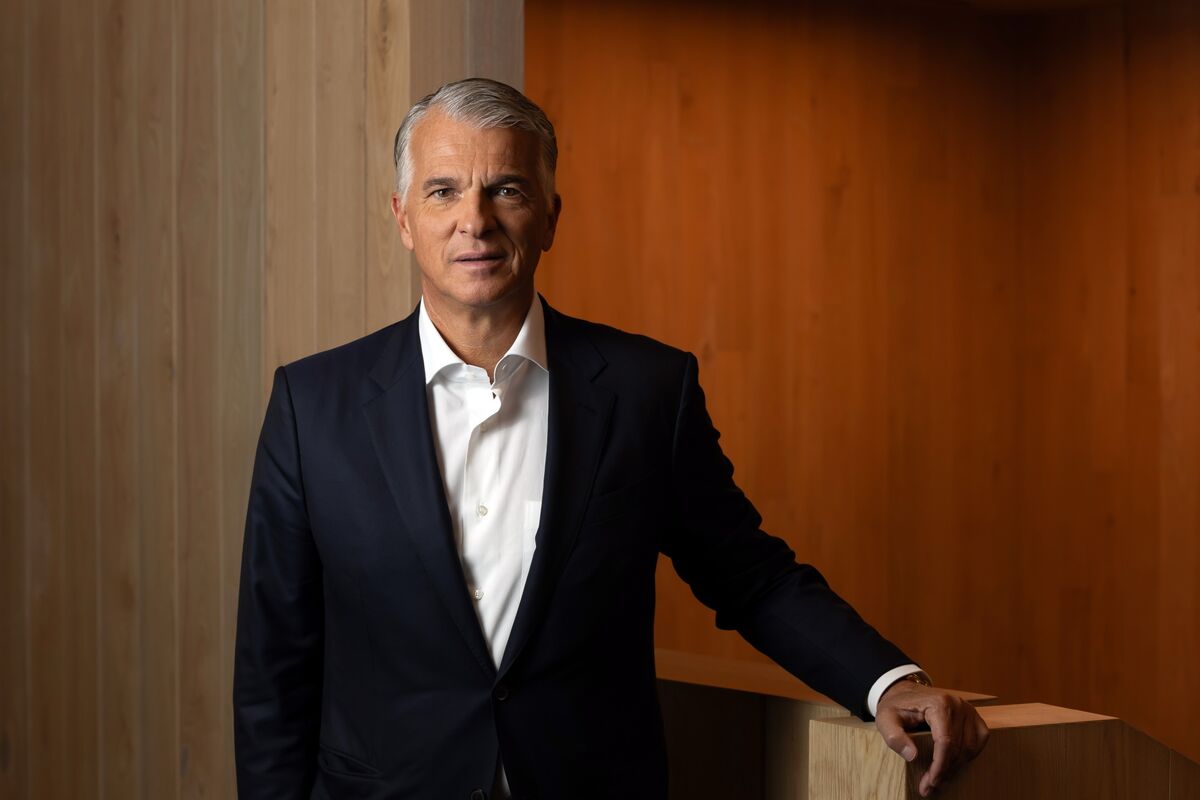
UBS Group AG CEO Sergio Ermotti stated that the precise impact of global tariffs on the U.S. economy and Federal Reserve monetary policy remains unclear. While anticipating continued U.S. growth, Ermotti highlighted that the implications of inflation on the central bank's policy decisions are still an open question, introducing uncertainty for investors regarding future monetary conditions and interest rate trajectories.
UBS Group AG CEO Sergio Ermotti has articulated a key source of market uncertainty, stating that the downstream effects of global tariffs on the U.S. economy and Federal Reserve monetary policy are not yet clear. While UBS maintains a forecast for continued U.S. growth, Ermotti's comments in Hong Kong emphasize that the path of inflation and its influence on central bank policy remains an 'open question'. This perspective from the head of a major global bank underscores the complex interplay between trade policy, inflation, and interest rate trajectories, suggesting that investors cannot rely on a straightforward policy outlook. The neutral sentiment score of 0.0 reflects the lack of a clear directional bias in the statement, instead highlighting a period of heightened ambiguity for macro-sensitive assets.
AI-powered research, real-time alerts, and portfolio analytics for institutional investors.
Request DemoOverall Sentiment
neutral
Sentiment Score
0.00
Ticker Sentiment
