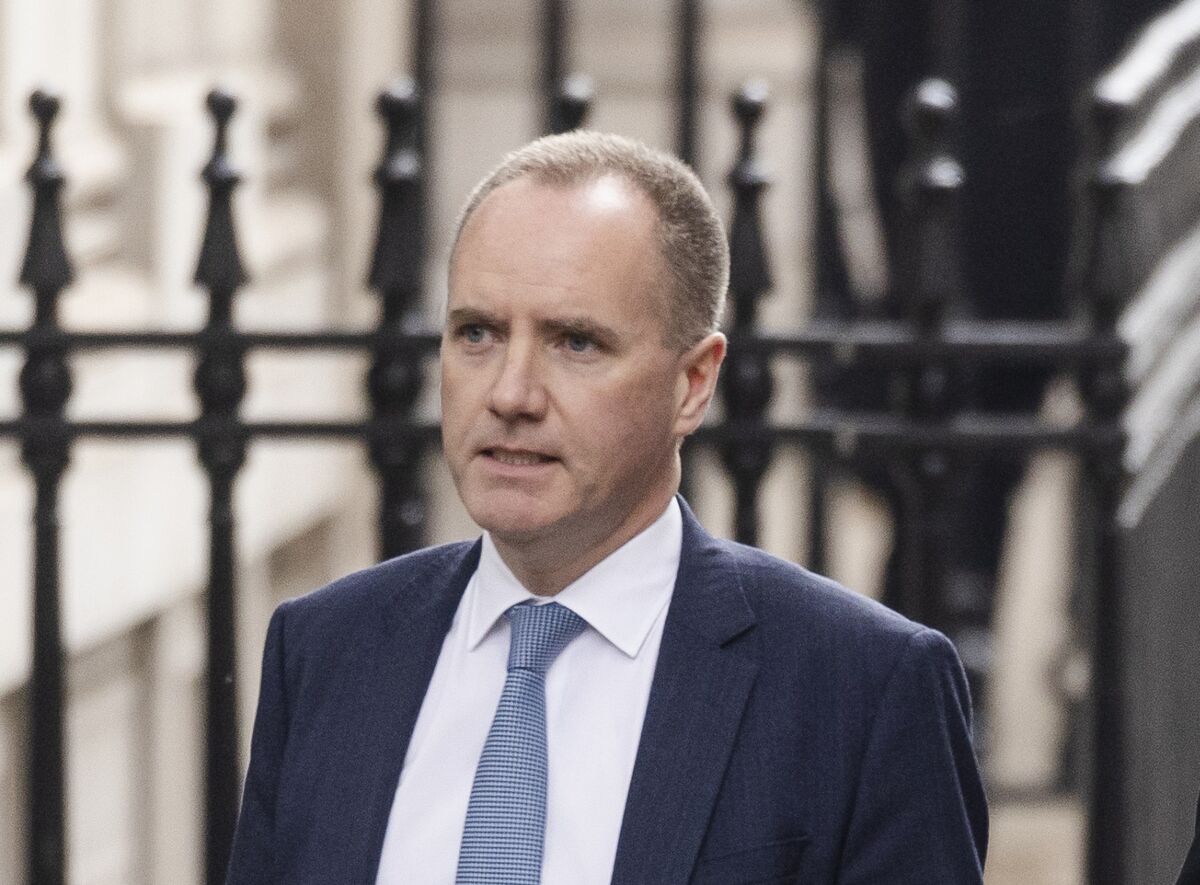
The Office for Budget Responsibility chairman Richard Hughes resigned after an internal 20-page report found that the OBR’s analysis of Rachel Reeves’ annual budget was accessed prematurely when users entered a predictable internet address, revealing procedural and security shortcomings. The investigation concluded the OBR lacked adequate protections for a release of this importance, creating reputational and governance risks for the UK fiscal watchdog and potential political fallout around the handling of fiscal data, though the incident is unlikely to have major direct market implications.
Market structure: The resignation and admitted procedural lapse reduces near-term fiscal credibility for the UK, likely pushing 10y gilt yields +10–25bp and GBP/USD -1–2% within days as risk premia rise and front-end uncertainty spikes. Winners: FTSE 100 exporters and commodity-linked names (sterling weakness, e.g., RIO.L, BHP.L via FX sensitivity) and FX-hedged overseas cash flows; Losers: short-duration UK financials and domestic cyclicals (LLOY.L, NWG.L) reliant on stable yield curve and confidence. Cross-asset: gilt volatility rises, flows into gilt protection and rate-option contracts; positive short-term correlation between gilt yields and sterling weakness should increase USD/GBP realized vol by 20–40% vs last month.
Risk assessment: Tail risks include a deeper credibility shock (10y +50–100bp) triggering a sovereign funding stress episode or rating pressure within 1–3 months; operational/legal fallout could force delayed or altered budget measures. Immediate (days): repricing and volatility spikes; short-term (weeks–months): auction tails and increased dealer balance-sheet cost; long-term (quarters): if OBR reforms follow, partial normalization. Hidden dependencies: bank balance sheets’ HQLA composition, gilt repo market liquidity, and upcoming gilt auctions/UK political calendar could amplify moves.
Trade implications: Favor asymmetric, time-boxed trades: short UK 10y gilt futures (size to target +20bp move) and buy GBP puts to capture currency weakness; pair trade long export-heavy FTSE 100 exposure (VUKE +2–3%) vs short UK domestic banks (LLOY.L -1.5–2%). Use options: 1M GBP/USD 1% OTM put spread (buy 1%, sell 2%) to limit cost; buy 1M puts on 10y gilt futures or equivalent to cap tail risk. Entry: within 0–7 days; re-rate or close positions at move thresholds: GBP -2% or 10y yields +25bp.
Contrarian angles: The market may overprice permanent credibility loss — a quick procedural fix, replacement OBR chair and tightened release systems within 30–60 days could reverse 10–15bp of yield widening and snap back GBP 1–2%. Historical parallels (short-lived selloffs after fiscal process errors) suggest option-driven short positions are safer than outright directional shorts. Unintended consequence: sterling sell-off improves export earnings and FTSE 100 EPS ahead of fiscal confirmation, so avoid naked long UK equities; prefer FX-hedged or exporter-biased exposures.
AI-powered research, real-time alerts, and portfolio analytics for institutional investors.
Request DemoOverall Sentiment
mildly negative
Sentiment Score
-0.25
