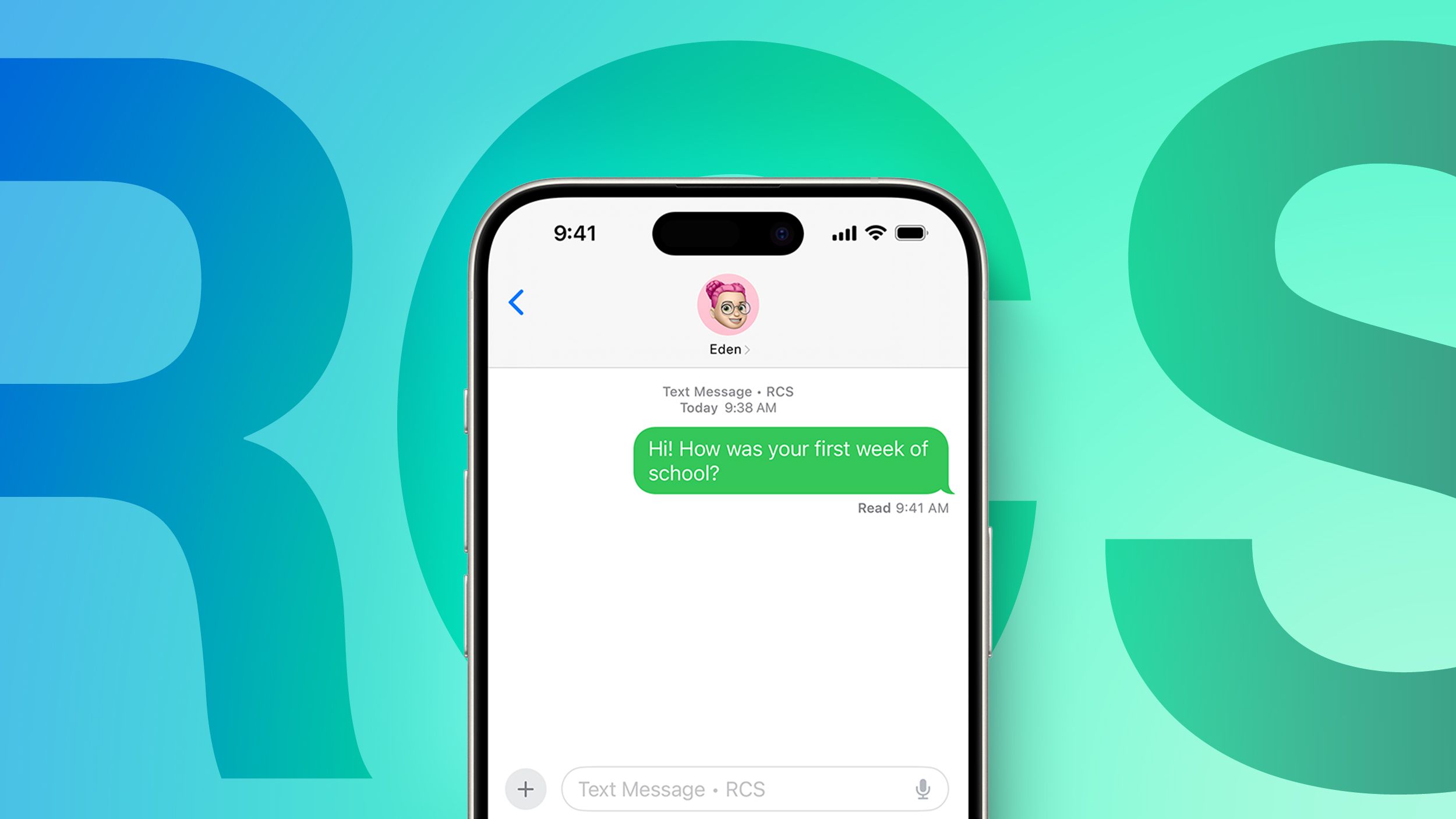
Apple confirmed end-to-end encrypted RCS messaging for iPhone-to-Android conversations is coming in iOS 26.5, with support also extending to iPadOS 26.5, macOS Tahoe 26.5, and watchOS 26.5. The feature is on by default, remains in beta, and will roll out over time through supported carriers, bringing cross-platform messaging closer to iMessage-level privacy. The update adds incremental product and privacy enhancements rather than a material near-term market catalyst.
This is less a one-day product headline than a slow-burn monetization and ecosystem lock-in event for AAPL. The immediate revenue impact is modest, but the strategic value is in reducing the last meaningful asymmetry between iPhone and Android messaging, which can lower switching friction for mixed-household users and younger cohorts that treat messaging UX as a primary platform feature. The bigger second-order effect is that Apple is effectively normalizing a cross-platform encrypted standard that it does not fully control, while still keeping the most seamless experience inside iMessage. The beneficiary set is broader than just Apple: carriers that can certify the latest RCS stack gain relevance, and device makers with weak ecosystem pull lose one of their subtle retention advantages. For AAPL, the bullish read is not “new revenue,” but a lower churn curve over 12-24 months if encrypted interoperability improves perceived parity without eroding iMessage differentiation. That matters most in international markets and younger user segments where messaging graphs are sticky but not immutable. The contrarian risk is that the market may overestimate how quickly this changes behavior. Rollout dependence on carrier support and beta status means the user-visible benefit will be uneven for quarters, not weeks, and incomplete coverage blunts the headline. If adoption is patchy, the feature becomes more of a compliance/standards box-check than a meaningful retention lever. There is also a mild regulatory tailwind embedded here: Apple looks constructive on privacy without conceding its ecosystem moat, which reduces antitrust pressure at the margin rather than creating a new growth driver. On balance, this is a low-volatility positive for AAPL, but not one to chase aggressively on the headline alone. The more interesting trade is to use any post-release strength to add on dips, because the real payoff should show up gradually in retention metrics and service attach rates rather than in a single-quarter beat.
AI-powered research, real-time alerts, and portfolio analytics for institutional investors.
Request DemoOverall Sentiment
mildly positive
Sentiment Score
0.25
Ticker Sentiment
