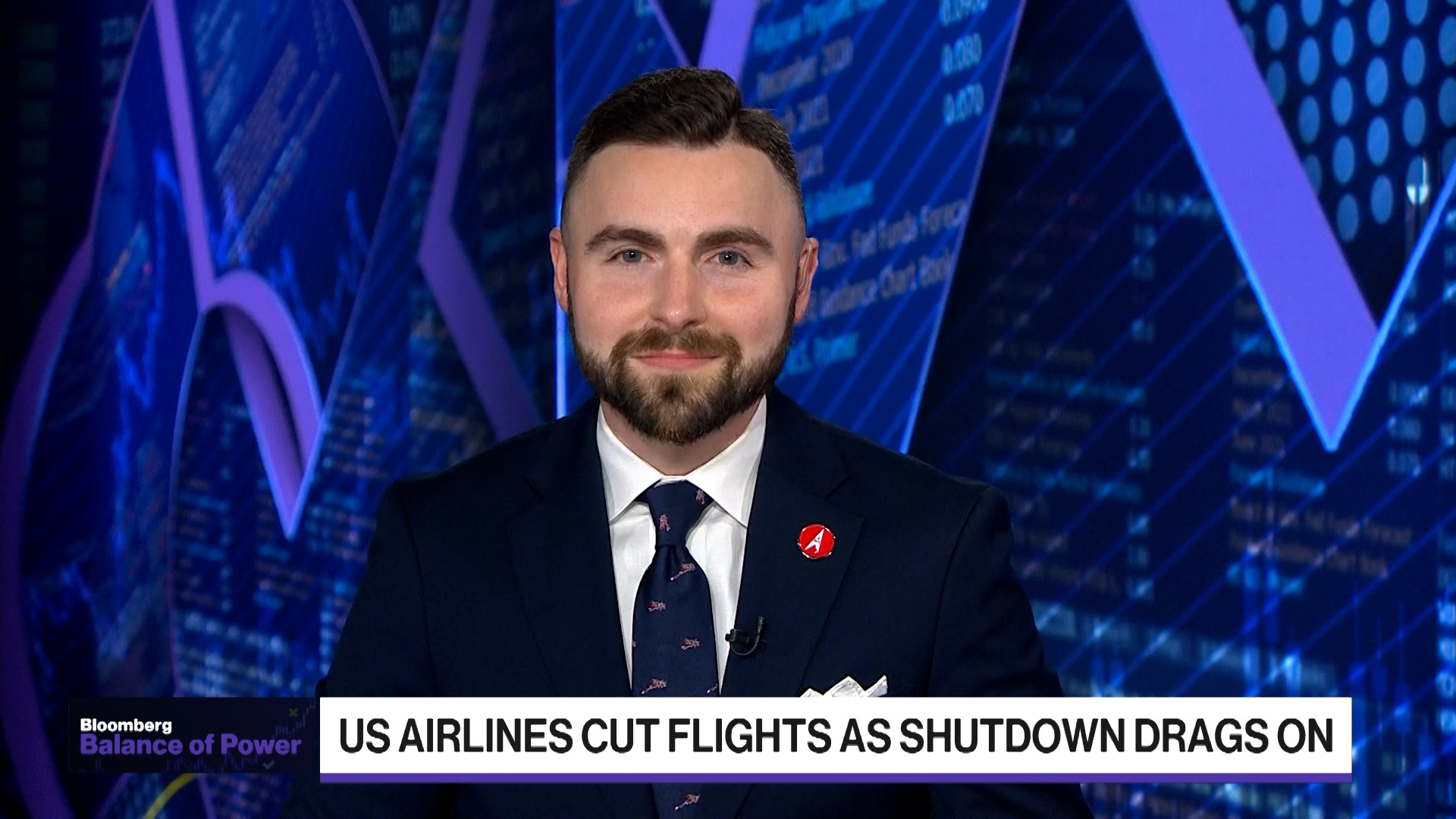
Recent US flight reductions are significantly impacting flight attendants, a development that signals potential shifts in airline labor dynamics, operational capacity, and overall industry profitability, warranting close attention from institutional investors.
Recent flight reductions across the US are significantly impacting flight attendants, signaling a contraction in airline operational capacity. This development introduces a mildly negative sentiment into the transportation and travel sectors, reflecting potential headwinds for industry profitability. The uncertain tone suggests that the full scope and duration of these reductions remain unclear.
The direct impact on flight attendants highlights evolving labor dynamics within the airline industry, which could lead to staffing adjustments or increased pressure on labor relations. Reduced flight schedules inherently constrain revenue generation for carriers, potentially affecting their top-line growth and overall financial performance. This situation warrants close monitoring for its implications on airline balance sheets and future investment in fleet expansion.
While the immediate market impact is assessed as moderate (score 0.3), sustained flight reductions could signal broader shifts in consumer demand for travel or operational challenges within the logistics chain. Institutional investors should consider this trend as a potential indicator of softening demand in the travel and leisure segment, given the industry-wide nature of the concern.
AI-powered research, real-time alerts, and portfolio analytics for institutional investors.
Request DemoOverall Sentiment
mildly negative
Sentiment Score
-0.40
