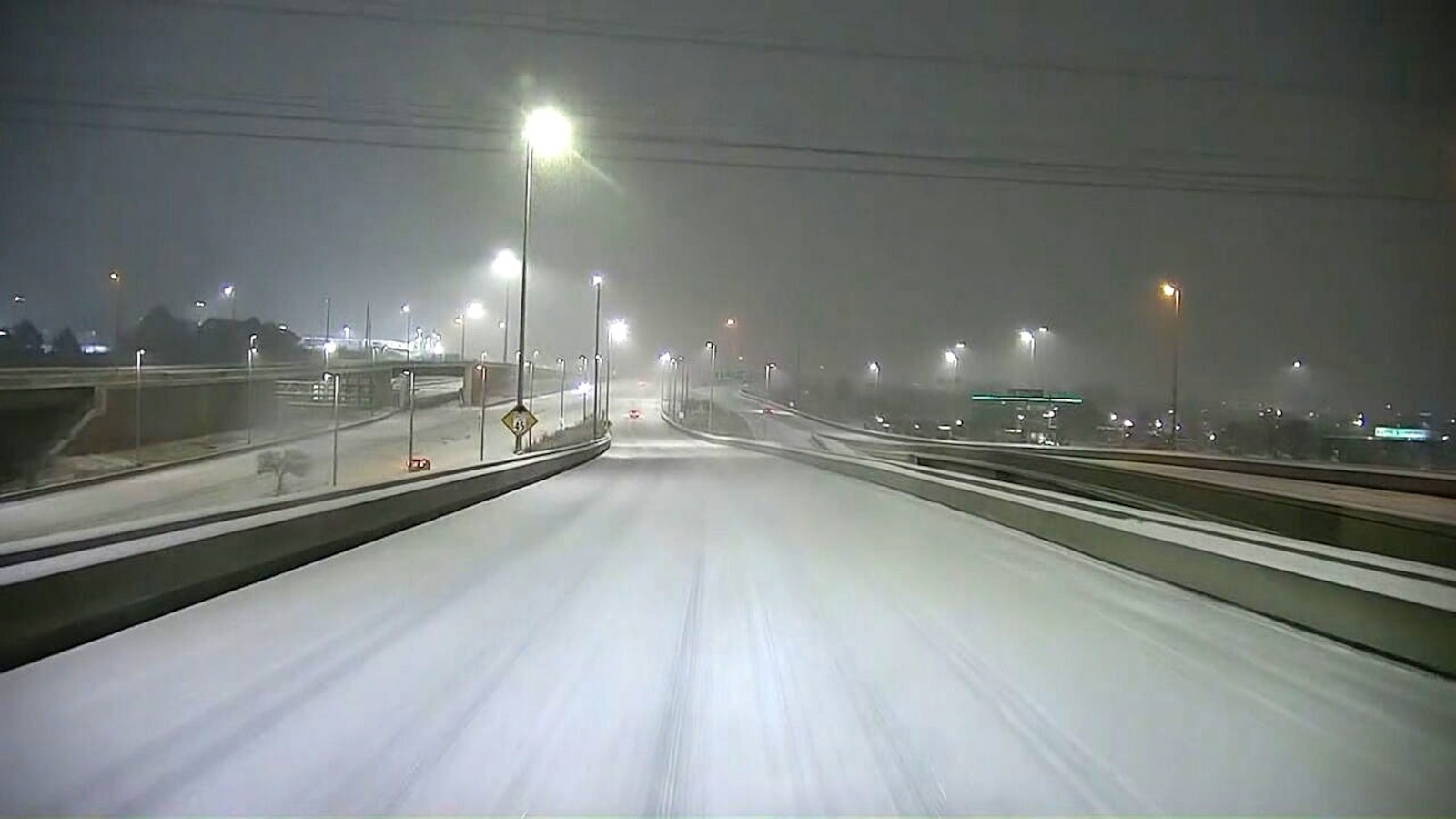
A fast-moving winter storm has forced over 1,400 flight cancellations nationwide, with Chicago O'Hare the epicenter of disruption (over 930 cancellations and 750+ delays) and Chicago Midway recording 187 cancellations and 85 delays; flights to O'Hare face average delays of about five hours per the FAA and both airports are under ground stops. The system is expected to produce 6–10 inches in Chicago between midday and evening Saturday, with lighter snow overnight and lingering into Sunday, prompting regional winter-weather alerts and material near-term operational and revenue disruption risk for airlines and travel-related services in the upper Midwest.
Market structure: Short, concentrated operational pain for network carriers with big O'Hare hubs (United UAL, American AAL) and ground-handling vendors — expect near-term revenue leakage (days) from refunds/reaccommodation and higher crew/overnight costs. Beneficiaries include local rental car operators (CAR, HTZ) and airport-adjacent hotels (MAR, HLT) from stranded passengers; jet-fuel demand and airport retail see a 1–3% transient dip. Cross-asset: expect intraday safe-haven bid in Treasuries (2s/10s 5–15bp rally risk) and a small USD uptick; airline equity IV should spike 10–30% for 1–3 week expiries.
Risk assessment: Tail risks include prolonged hub closure or an IT/systemic meltdown (Southwest-style) turning a 48–72h event into a multi-week operational crisis and potential regulatory scrutiny/fines. Time horizons: immediate (0–7 days) disruption to cash flows and IV; short-term (2–8 weeks) P&L pressure and possible margin impacts; long-term (quarters) effects limited absent cascading storms. Hidden dependencies: crew logistics, spare parts deliveries, and cargo links can amplify airline/cargo losses; catalyst set includes additional storms or FAA ground-stop extensions.
Trade implications: Tactically favor short-dated downside exposure to UAL/AAL via 10–21 day put spreads to cap cost (buy 5% OTM, sell 15% OTM) sized 1–2% portfolio each; implement a relative-value pair long DAL vs short UAL (1–2% each) for 2–4 weeks because Delta’s hub footprint is less Chicago-centric. If JETS ETF drops >5% intraday, accumulate a 1–2% position targeting a 7–12% mean-reversion bounce over 2–6 weeks. Use triggers: scale exits when FAA cancellations fall below 10% of baseline or IV contracts by >40%.
AI-powered research, real-time alerts, and portfolio analytics for institutional investors.
Request DemoOverall Sentiment
moderately negative
Sentiment Score
-0.30
Contrarian angles: The market will likely over-penalize large carriers; historical analogs show weather-driven 3–10% hits largely recover within 2–6 weeks, creating dip-buy opportunities in carriers with >$5B liquidity and leverage <4x. Watch for underpriced local beneficiaries — if O'Hare cancellations >1,200 persist >48h, favor short-term longs in CAR/HTZ and airport hotels (MAR) for 1–2 week plays. Unintended consequence: sustained cancellations can push business travelers to virtual meetings, mildly subtracting incremental demand if repeated storms occur seasonally.
