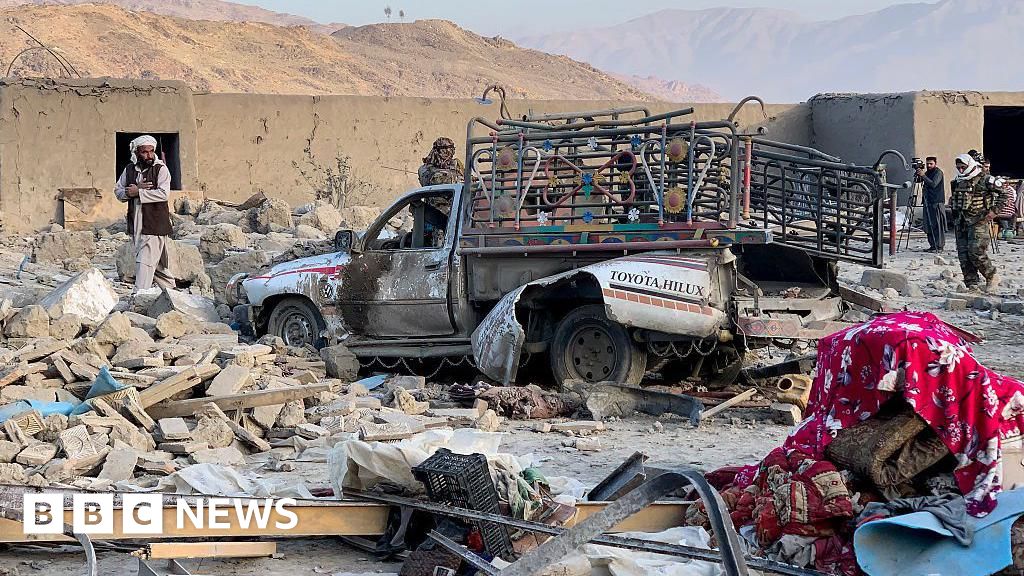
Taliban officials say they launched a large-scale retaliatory operation late Thursday against Pakistani army positions along the 1,600-mile border, claiming numerous Pakistani casualties and capture of troops and 15 military posts; Pakistan's information ministry reported heavy Afghan casualties and destruction of multiple posts and equipment. The exchange follows Pakistani air strikes earlier in the week that Kabul says killed at least 18 civilians and targeted homes and a religious school, and comes after a fragile ceasefire reached in October — heightening regional security risks and potential spillovers for investors with exposure to South Asian sovereign, security-sensitive infrastructure, or risk-sensitive asset classes.
Market structure: Immediate winners are hard-currency safe havens (gold, USD) and liquid global defense primes; losers are Pakistan sovereign credit, PKR, frontier/Frontier-Asia EM assets and local infrastructure plays tied to cross‑border trade. Expect PKR weakness of 2–10% on near-term flows and a 50–150bp rise in 5y Pakistan bond yields if clashes persist beyond one week; oil could trade +1–3% on a regional risk premium but only if escalation threatens trade routes.
Risk assessment: Tail risks include a protracted cross‑border war (low-probability, high-impact) that could force Pakistan to divert fiscal resources, pushing sovereign CDS >500bps and precipitating IMF program stress. Time horizons: days = volatility spikes and FX moves; weeks/months = CDS and reserves pressure; quarters = downgraded sovereign ratings and reduced FDI. Hidden dependencies: China’s CPEC exposure and IMF funding are primary stabilizers; catalyst to de‑escalate would be third‑party mediation within 7–14 days.
Trade implications: Tactical plays favor 1–3% allocations to GLD/physical gold for 1–3 months and short-dated USD/PKR forward positions or FX options to capture a >3% devaluation scenario; trim Pakistan local-equity and sovereign exposure by 30–100% depending on position size. Opportunistic longs in LMT/RTX/NOC (1–2% overweight) for 3–6 months can capture defense sentiment, while buying 5y Pakistan CDS protection if spreads cross 400bps (target notional 0.5–1% portfolio) hedges sovereign risk.
Contrarian angles: The market may overprice permanent deterioration — historical skirmishes (e.g., 2019) normalized within 1–3 months; if China/IMF announce support within 14 days, PKR and bonds can snap back 5–15%. Beware reflexive long US defense equities: revenue deltas from this theater are small; close positions if ceasefire/mediation confirmed within 7 days or if Pakistan 5y CDS drops >150bps from peak.
AI-powered research, real-time alerts, and portfolio analytics for institutional investors.
Request DemoOverall Sentiment
moderately negative
Sentiment Score
-0.50
