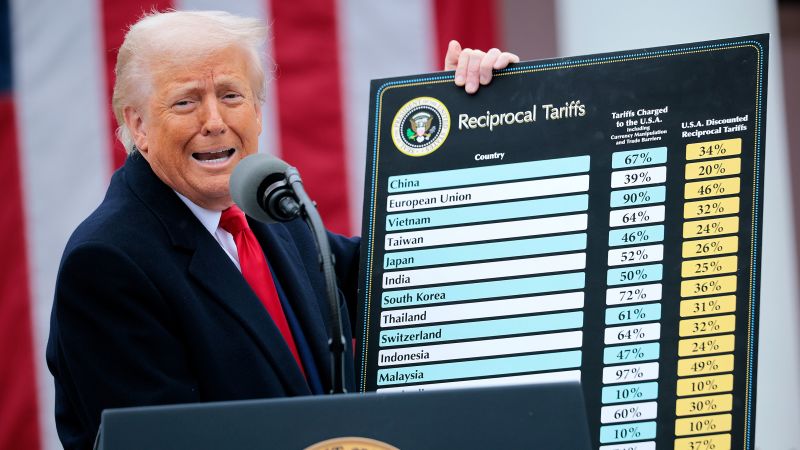
While President Trump initially achieved a perceived trade war success with higher customs revenue and partner compliance, this 'victory' is increasingly fragile. Key challenges include growing EU dissatisfaction with its recent deal, persistent trade tensions with Canada despite USMCA, and limited progress on the China agreement. A critical federal appeals court case is also set to challenge the legality of Trump's tariff authority under emergency powers, potentially restricting future tariff imposition. Moreover, the economy is showing early signs of tariff-driven inflation, with consumer goods prices rising and major corporations like P&G, Walmart, GM, VW, and Stellantis reporting significant tariff-related costs, indicating a potential broader economic impact.
The perceived success of the current administration's trade policy, characterized by higher customs revenue without initial economic decline, is showing significant signs of fragility. This stability is threatened on multiple fronts. Geopolitically, the recent trade agreement with the European Union is facing internal revolt from key member states, and trade talks with Canada have stalled, highlighting policy unpredictability even with existing pacts like the USMCA. Furthermore, the truce with China remains on a 'knife’s edge' amid frustrations over slow progress. A critical domestic risk looms with a federal appeals court hearing that could rule the administration's use of emergency powers to levy tariffs illegal, potentially curtailing its authority. Economically, warning signs are emerging as tariffs begin to translate into tangible inflation. The Consumer Price Index indicates rising prices for tariff-affected goods such as clothing, appliances, and electronics. This is corroborated at the corporate level, with automakers like General Motors and Stellantis reporting tariff-related charges exceeding $1 billion last quarter, while major retailers and consumer goods firms, including Walmart and Procter & Gamble, have announced forthcoming price hikes, signaling a direct pass-through of costs to consumers and potential margin compression.
AI-powered research, real-time alerts, and portfolio analytics for institutional investors.
Overall Sentiment
moderately negative
Sentiment Score
-0.35
Ticker Sentiment
