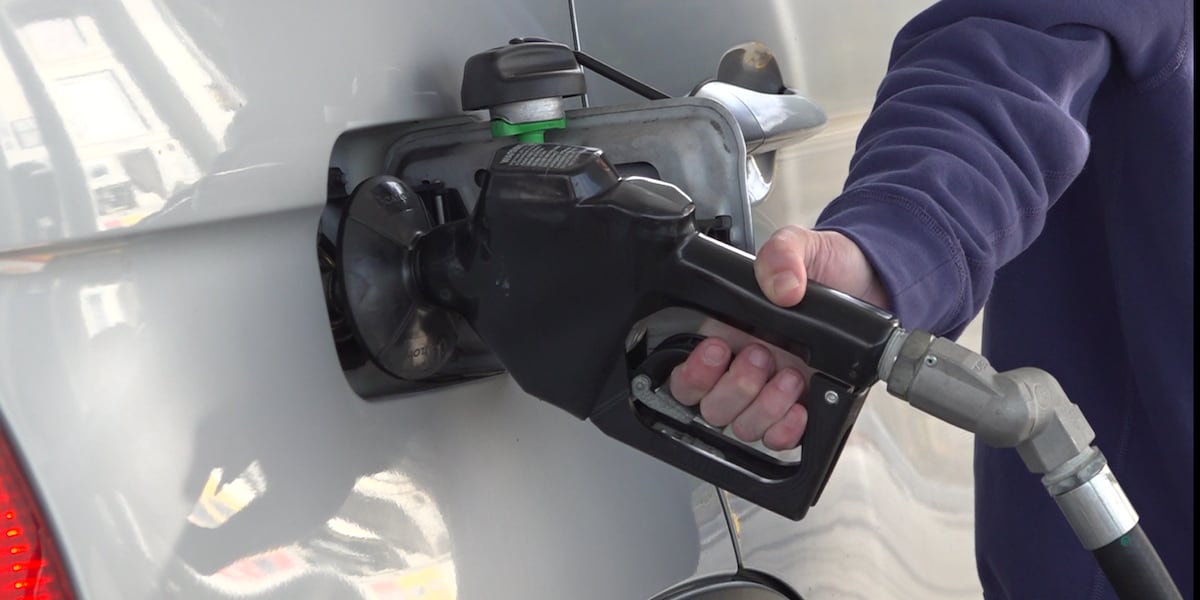
Gasoline prices in Roanoke rose 17.8 cents per gallon week over week to $4.06, while the U.S. average climbed 38.2 cents to $4.42 per gallon. Diesel also jumped more than 21 cents to $5.62 nationally, with GasBuddy citing refinery outages and broader supply disruptions as key drivers. The article points to sustained upward pressure on fuel costs, which can feed through to inflation and consumer spending.
The immediate beneficiaries are upstream and midstream energy names with pricing power, but the more interesting second-order winner is anything tied to refinery utilization and logistical throughput. When retail fuel spikes this fast, the margin transfer does not stay evenly distributed: refiners and distributors with cleaner runs, better feedstock access, and regional storage optionality can outperform even if the broader commodity complex is flat. The sharp divergence between local station prices also signals a fragmented supply environment, which tends to widen spreads for operators that can arbitrage geography rather than just directionally bet on crude. The real near-term loser is consumer discretionary demand, especially low- and middle-income household spend that has less ability to smooth gasoline shocks. That typically shows up first in small-ticket retail, restaurant traffic, and travel-related categories within 2-6 weeks, before bleeding into broader confidence data. The inflation impulse is also awkward for rate-sensitive assets: if this persists for even one more month, it can keep headline inflation sticky enough to delay any dovish repricing, which is usually more bearish for long-duration growth than the commodity move itself. The consensus may be underestimating how quickly prices can mean-revert if refining outages normalize and OPEC+ supply increments actually hit waterborne markets. This type of move is often more a crack-spread and distribution story than a pure crude story, so a crude-only hedge can miss the trade. The key risk is that diesel strength keeps freight and agricultural input costs elevated even if gasoline stabilizes, making inflation broader and more persistent than consumers expect. For the next 2-4 weeks, the best risk/reward is to express a tactical consumer-vs-energy divergence rather than a naked oil beta trade. If the spike lingers into summer driving season, the damage compounds; if it reverses, the consumer side should snap back faster than energy longs lose earnings momentum.
AI-powered research, real-time alerts, and portfolio analytics for institutional investors.
Request DemoOverall Sentiment
mildly negative
Sentiment Score
-0.25
