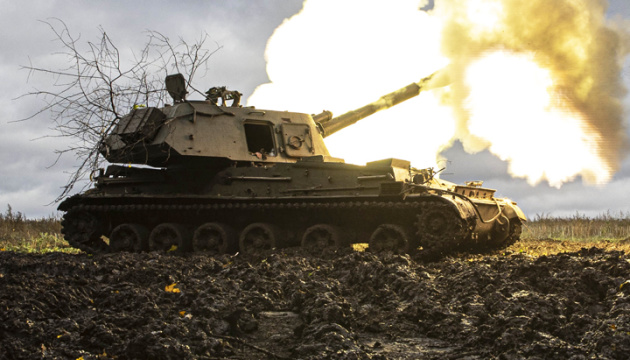
The Ukrainian General Staff reported 104 clashes as of 16:00 on Jan. 3, with the fiercest fighting on the Huliaipole axis (19 clashes, five ongoing) and significant activity on Northern Slobozhanshchyna/Kursk (42 attacks) and multiple other axes. Russian forces employed artillery, MLRS and aircraft strikes on numerous settlements, while Ukrainian defenders repelled attacks including two toward the Antonivskyi Bridge on the Dnipro River. Sustained frontline engagements and strikes on populated areas and infrastructure elevate operational risk and regional volatility, warranting monitoring of infrastructure damage, logistics disruption and related geopolitical risk premia for exposures to Ukraine and nearby markets.
Market structure: Near-term winners are defense primes (Lockheed LMT, Raytheon RTX, General Dynamics GD) and energy exporters as supply-risk premia reprice; losers include travel/tourism operators, regional logistics providers operating through conflict zones, and Ukrainian sovereign credit. Pricing power shifts to firms with backlogable government contracts and to commodity exporters; expect 3–12% revenue tailwinds for defense/energy names over 3–12 months if aid and sanctions persist. Cross-asset: expect safe-haven flows into USD and gold (GLD) over days, widening EM/Ukraine sovereign spreads, a potential 1–3% rally in oil on headlines and 10–25% episodic moves in EU gas in winter stress scenarios.
Risk assessment: Tail risks include NATO entanglement or major sanctions escalation (low-probability <5% monthly, high-impact: oil >$120/bbl, market drawdown >10%). Immediate (days): headline-driven volatility and FX moves; short-term (weeks–months): defense capex and supply-chain strain; long-term (quarters–years): reconstruction demand for materials and heavy equipment. Hidden dependencies: defense names depend on specialized semiconductors and critical metals (nickel, palladium); sanction-driven commodity bottlenecks could amplify inflation and input-costs across sectors. Key catalysts: US aid vote (30–90 days), EU sanctions packages, winter weather, and crop/weather reports affecting grain exports.
Trade implications: Direct plays—establish conviction-weighted longs in LMT/RTX/GD (1–2% portfolio each) and energy majors XOM/CVX (1% each); hedge portfolio with 1% GLD or 3-month GLD calls. Options—buy 3-month 8–15% OTM call spreads on LMT and XOM sized 0.5% each for asymmetric upside; consider 1–2% allocation to short positions in travel/booking names (EXPE or AAL) for 3 months. Sector rotation—overweight defence, energy, materials; underweight travel, regional financials exposed to Eastern Europe; scale in over 2–6 weeks, targets +20–30%/position, hard stops 8–12%.
AI-powered research, real-time alerts, and portfolio analytics for institutional investors.
Request DemoOverall Sentiment
moderately negative
Sentiment Score
-0.50
Contrarian angles: Consensus prices near-term headline risk but underestimates 6–24 month reconstruction demand—construction equipment (CAT) and industrial miners may be mispriced; consider selective long exposures after near-term volatility cools. The market may also be overpricing permanent supply cuts from Russia; if sanctions ebb or alternative supply lines emerge within 3–6 months, energy and commodity spikes could revert, making short-term call spreads preferable to naked longs. Watch for unintended inflation-driven policy tightening (rates up) which would pressure growth and tech stocks while boosting cyclicals tied to reconstruction.
