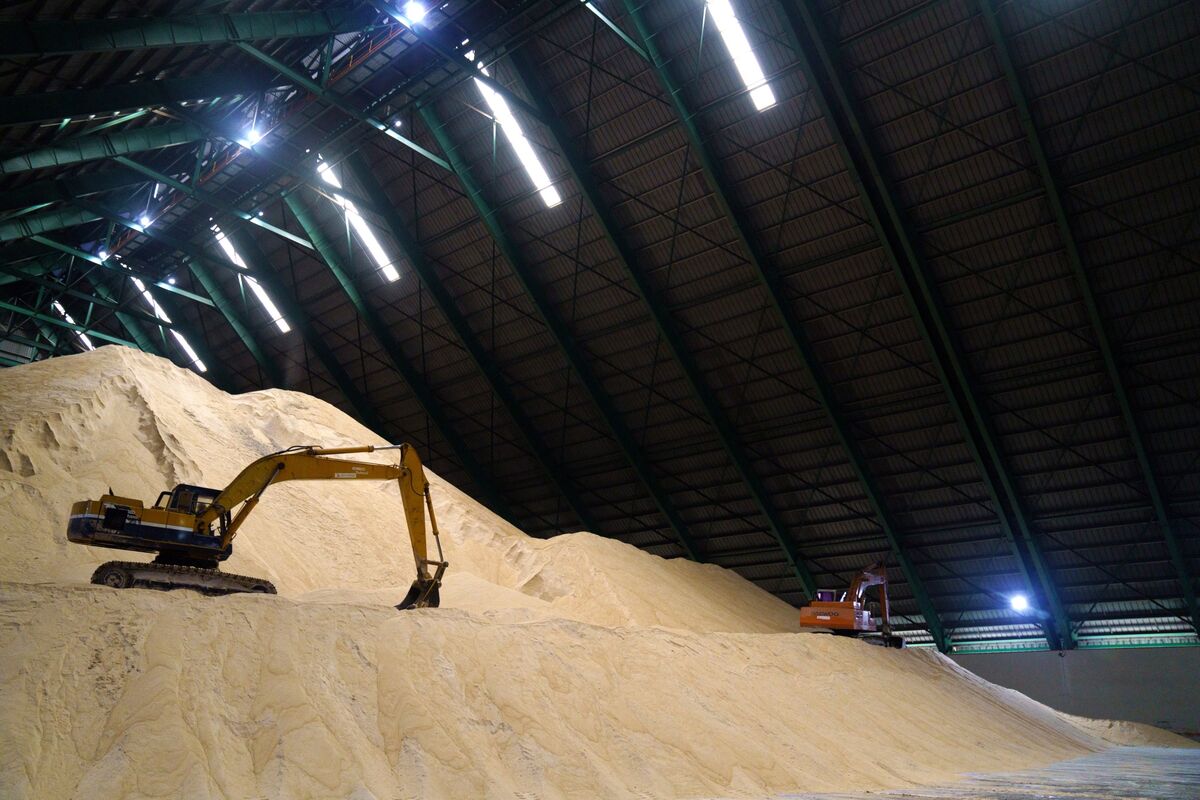
Raw sugar futures climbed to a more than one-month high, with the most-active New York contract up as much as 1.7% to above 15 cents a pound as investors unwound short positions. The move reflects expectations that Brazilian mills will divert more cane toward ethanol production, though falling ethanol prices in Brazil are limiting that shift. The Middle East war is also supporting biofuel demand, adding a modest tailwind to sugar prices.
The near-term setup is less about fundamentals than positioning: when a crowded short starts to cover into a modest catalyst, price can detach from the physical balance for days to weeks. That matters because sugar has asymmetric reflexivity — once CTAs and discretionary shorts begin to cover, nearby liquidity is thin and the move can overshoot well beyond the initial catalyst before mills actually change crush decisions. The second-order winner is the ethanol complex, but only selectively. If Brazilian mills keep allocating more cane to ethanol, local ethanol pricing and related logistics benefit; however, the article’s key nuance is that weaker ethanol prices cap the incentive, which means the market may be overpricing a sustained diversion of cane. In other words, the sugar rally can coexist with a soft biofuel tape if the move is driven mainly by flows rather than a durable change in Brazilian mill economics. The contrarian risk is that this is a positioning squeeze, not a supply shock. If Middle East-related biofuel demand expectations fade or Brazilian ethanol prices stabilize lower, the trade can unwind quickly over 1-4 weeks, especially after a technical breakout attracts momentum longs. The more durable bullish case would require evidence of actual crush reallocation in Brazil, which likely takes longer to surface than the market is willing to discount today.
AI-powered research, real-time alerts, and portfolio analytics for institutional investors.
Request DemoOverall Sentiment
mildly positive
Sentiment Score
0.15
