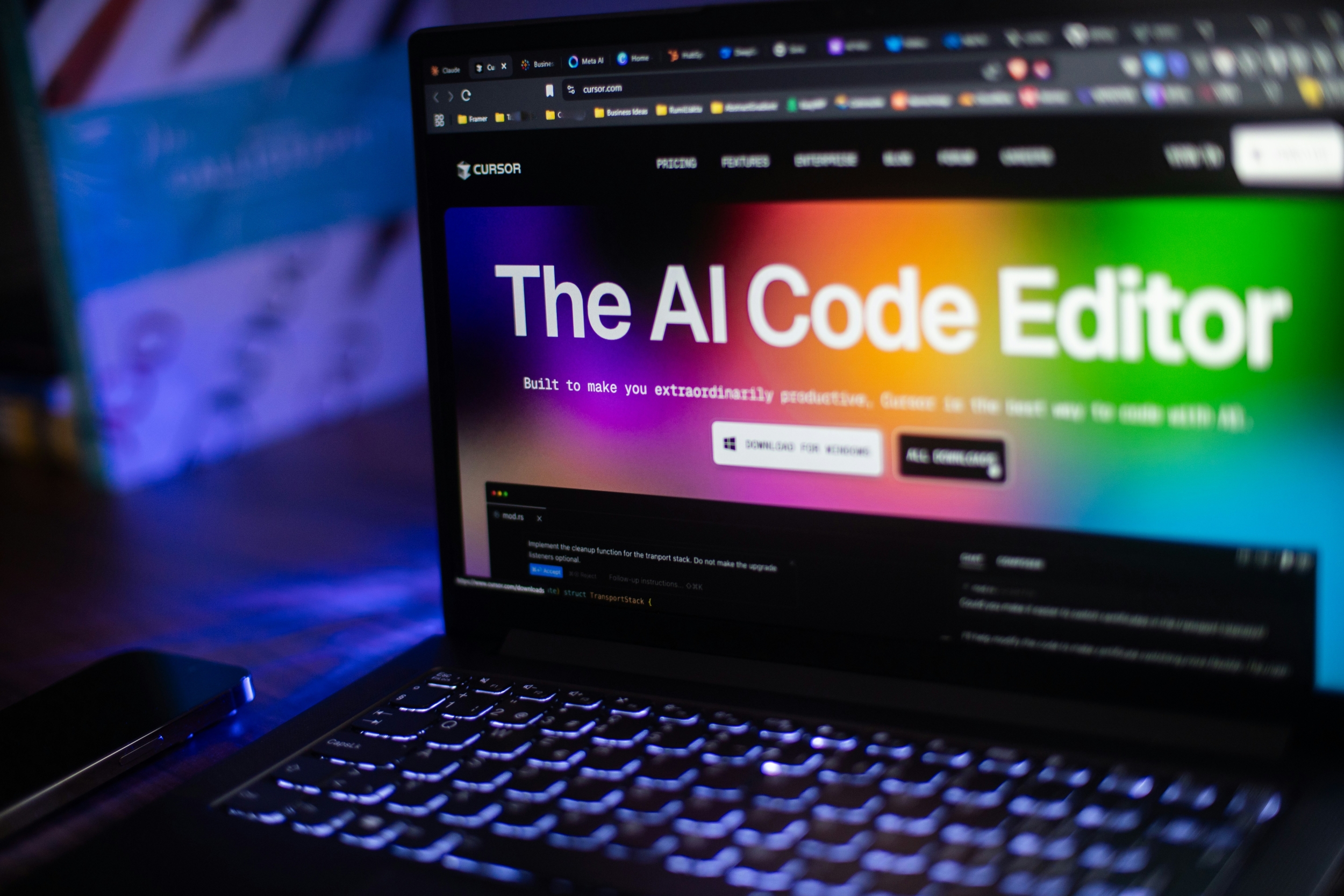
Cursor AI is a GPT-powered IDE that centralizes code generation, debugging, and chat-based coding, offering a free tier with core features and paid plans that provide longer context windows and faster performance. Its context-aware, multi-file code completion, adaptive learning, and built-in AI debugging aim to accelerate developer workflows and reduce repetitive tasks, improving productivity for individual developers and teams but with limited near-term market-moving implications.
The most direct P&L effect from widespread GPT-powered IDE adoption is higher marginal compute consumption per developer: multi-file context windows and interactive chat sessions multiply token cycles relative to line-by-line autocomplete, which should boost cloud GPU/TPU consumption by meaningful percentages (we model a 20–40% uplift in developer-related inference hours over 12–24 months for large adopters). Incumbent cloud/GPU providers (NVIDIA, Azure/GitHub, AWS, Google Cloud) capture the infrastructure spend, while specialist vendors that own distribution into dev teams (MSFT/GitHub) gain disproportionate strategic control over defaults and monetization levers.
Second-order winners include security and governance vendors because generated code increases attack surface and IP/taint concerns: expect renewed enterprise spends on static analysis, SCA, and model-audit tooling within 3–12 months of production rollouts. Conversely, staffing and low-end outsourcing firms face structural deflation in junior billable hours as output per engineer rises; we would expect reduced billable-headcount growth for those firms over 12–36 months unless they re-skill offerings.
Key tail risks that could reverse adoption are model hallucinations causing high-profile production outages or regulatory/privacy enforcement (data exfiltration) that force on-prem or restricted deployments — both would shift spend away from public clouds toward CAPEX-heavy private inference and slow revenue recognition for SaaS incumbents. A contrarian angle: the market is primed to buy the GPU-infrastructure story, but distribution and enterprise procurement (security sign-offs, SLAs) are the true gating factors and could compress near-term revenue realization even if long-term adoption is inevitable.
AI-powered research, real-time alerts, and portfolio analytics for institutional investors.
Request DemoOverall Sentiment
moderately positive
Sentiment Score
0.35
