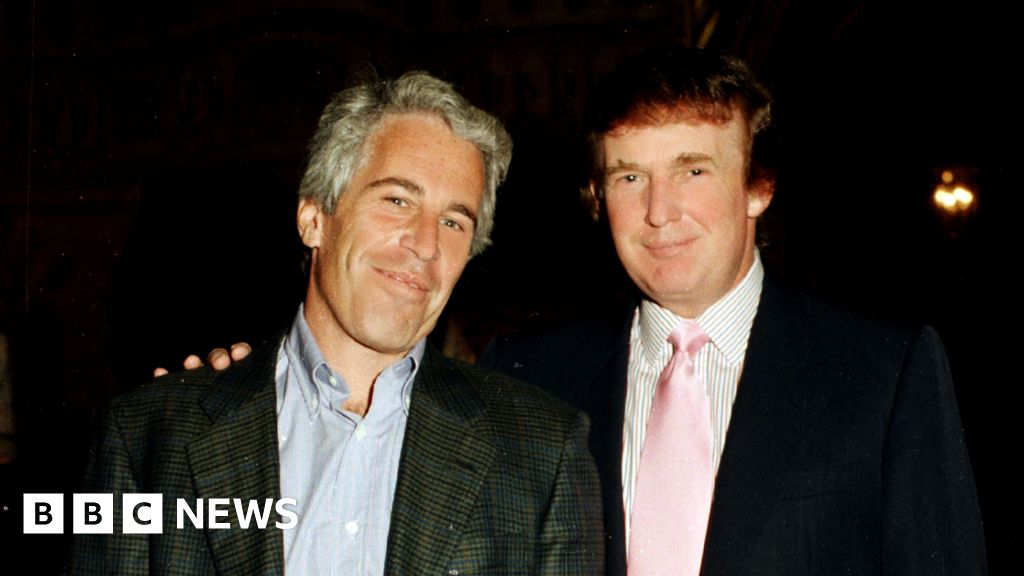
The DOJ released more than 30,000 pages of Epstein-related documents that include a 7 January 2020 prosecutor email stating Donald Trump was listed as a passenger on Jeffrey Epstein's private jet at least eight times between 1993 and 1996, with some flights also listing Ghislaine Maxwell and members of Trump's family. The department said some claims in the files are unfounded but published the materials to comply with legal requirements after missing a congressional deadline; the disclosures pose political and reputational risk but do not present new, proven criminal allegations against Trump.
Market structure: This DOJ release is a political/legal shock with very low direct corporate impact but asymmetric effects on election-sensitive sectors (financials, defense, healthcare, renewables). Expect headline-driven volatility spikes of ~1–3% in single-session moves for small caps (IWM) and politicized large caps; implied vol on SPY/VIX may rise 10–30% intraday around major releases. Cross-asset: brief USD safe-haven bids and 5–15bp intra-day Treasury wiggles are likeliest outcomes, not structural shifts.
Risk assessment: Tail risks include a new legal indictment or corroborating evidence that shifts national polls by >3–5 percentage points — a low-probability, high-impact event that could move markets materially (S&P +/-4–6% in a week). Near-term (days–weeks) risk is headline cadence; medium-term (months) risk is policy uncertainty affecting tax/regulatory expectations for corporates; long-term (quarters) risk is persistent volatility into the 2024–2026 election cycle. Hidden dependencies: market reaction will amplify if releases coincide with debates, fundraising reports, or coordinated media cycles.
Trade implications: Tactical defensive positioning is warranted for 2–8 weeks: increase cash/hedges and buy short-dated volatility before scheduled DOJ batches (next 14–30 days). Favor defensive sectors (XLU, utilities) and gold (GLD) on 1–3% allocations; underweight small-caps (IWM) by 2–4% until media cycle abates. Use options: small, costed VIX call positions or SPY 30–45D put spreads to cap cost while protecting against 3–6% downside moves.
Contrarian angles: Consensus treats this as noise; if further releases continue without legal escalation, volatility will mean-revert and create buying opportunities in beaten-down cyclicals (XLE, industrials) — a 3–6% overshoot lower could be a tactical long entry. Historical parallels (Clinton-era scandals, 2016 cycles) show short-term headline risk but limited permanent capital impairment absent policy shocks. Opportunity: buy cyclicals on 1–3 month mean-reversion signals if VIX normalizes >20% and credit spreads stay within 25–50bp of current levels.
AI-powered research, real-time alerts, and portfolio analytics for institutional investors.
Request DemoOverall Sentiment
neutral
Sentiment Score
0.00
