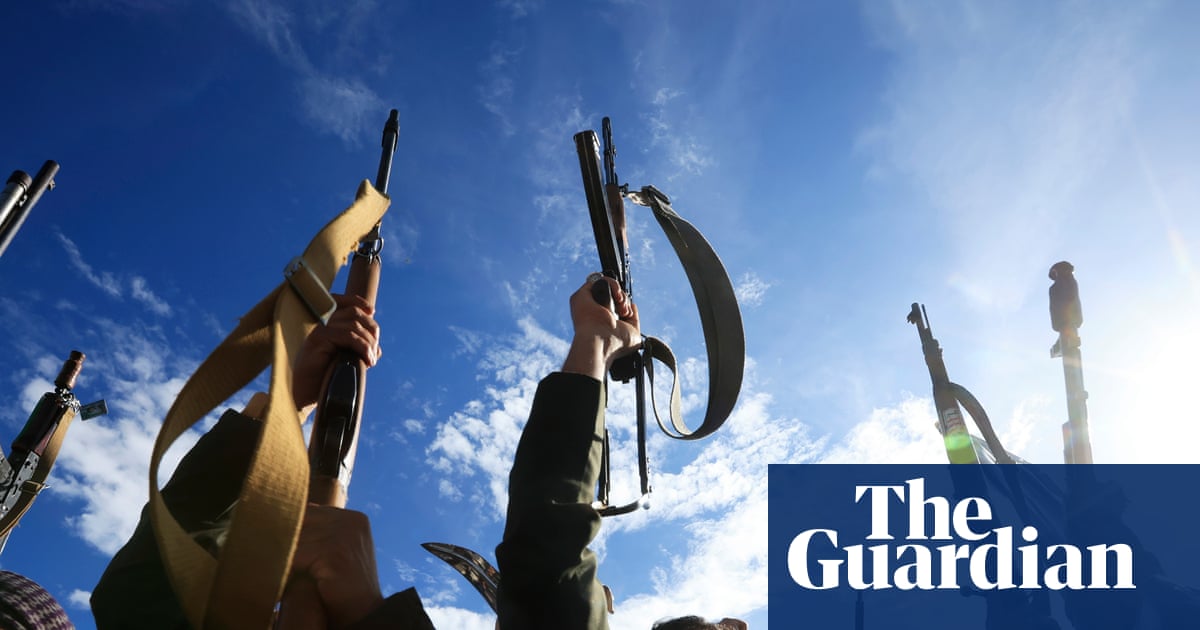
Houthi forces' entry into the US-Israeli–Iran conflict threatens closure of the Bab al-Mandab, risking major disruption to Red Sea transit and amplifying global supply-chain and oil-market shocks. Reuters intelligence cited that the US may have destroyed only ~1/3 of Iran's missile/drone arsenal; US media report at least 12 US soldiers wounded and drones damaged Kuwait airport radar. These developments significantly raise the probability of broader regional escalation (including possible Saudi involvement), tightening oil markets and forcing a market-wide risk-off response.
A sustained threat to Bab al-Mandab materially increases tonne-mile demand for oil and LNG shipping because cargoes must detour around the Cape of Good Hope, adding roughly 10–15 days to voyages on key Asia–Europe and Middle East–Europe routes. That mechanically supports VLCC/aframax time charters and spot tanker rates by magnifying cargo-in-transit days rather than immediate volume disruption — a 25–40% increase in voyage days can translate to a 30–100% rise in spot TC rates within 2–8 weeks if attacks persist.
Container and ro-ro trade will see asymmetric pain: perishable and just-in-time industrial supply chains experience margin hits from 10–20% longer lead times and higher freight per FEU, while large asset-light carriers can pass through higher rates to shippers, leaving capital-heavy leased operators to suffer margin compression. Ports and transshipment hubs on Atlantic and southern African routes (e.g., Durban, Maputo) will see increased throughput and short-term pricing power, creating cross-border winners in port services and inland logistics.
Financially, defense contractors and air-defense suppliers offer convex payoffs to escalation scenarios but are capped by the high probability of episodic de-escalation; insurers and reinsurers face reserve shocks if infrastructure/damage claims rise, pressuring underwriting margins over the next 3–12 months. Macro tail risks include a persistent oil risk premium ($8–$20/bbl uplift over several months under sustained chokepoint risk) and EM capital flight into safe-haven rates and USD, with Gulf sovereign liquidity policy the key mitigating variable.
The market is discounting headline risk but may be overpaying for permanent disruption: spare tanker capacity, alternate routing, and SPR releases can unwind premiums faster than geopolitics evolves. Watch real-time signals — sustained >7-day closure risk, Saudi direct military engagement, or insurance P&I war-risk surcharge spikes — to move from transitory protection into directional positions.
AI-powered research, real-time alerts, and portfolio analytics for institutional investors.
Request DemoOverall Sentiment
strongly negative
Sentiment Score
-0.75
