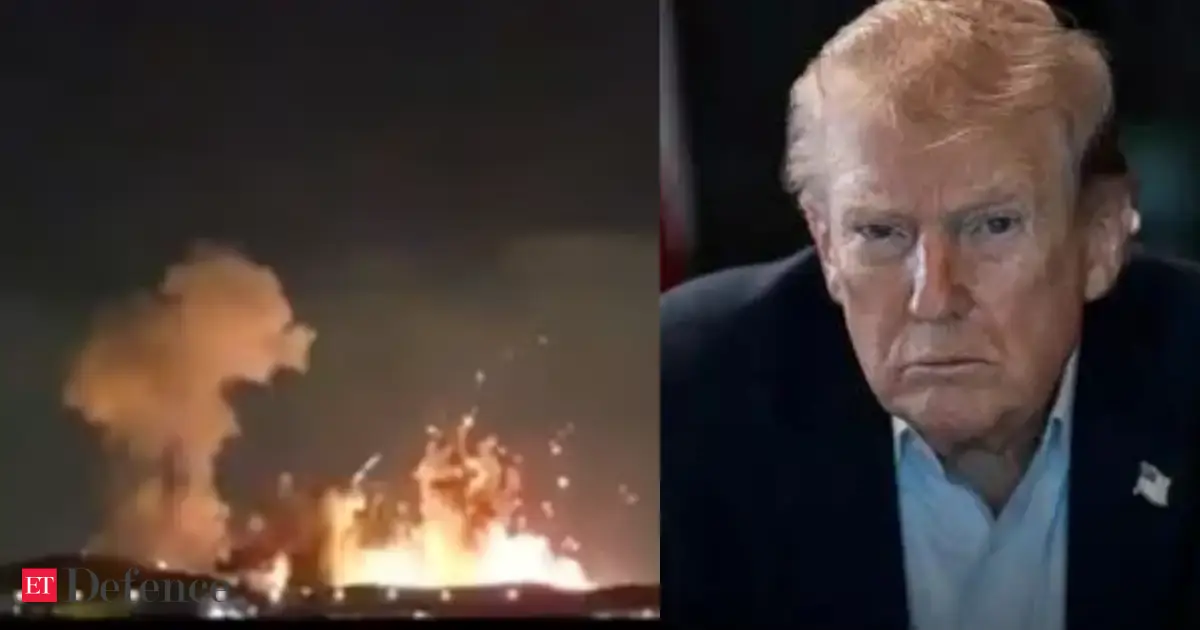
A strike on Isfahan reportedly used a significant number of penetrator munitions with video confirmation, marking a notable escalation in Iran-related hostilities. At least three UN peacekeepers were killed in southern Lebanon within 24 hours; a drone strike hit a Kuwaiti tanker near Dubai (fire contained, no injuries) and Saudi Arabia intercepted three ballistic missiles, while oil prices climbed and US stocks traded more volatile. Gulf states are urging continued military pressure, raising the risk of prolonged regional escalation and sustained pressure on energy markets and shipping — a clear risk-off catalyst for portfolios.
A concentrated campaign against sensitive military/nuclear infrastructure raises frictional costs across the oil & shipping nexus that are underappreciated. If operators ratchet routing away from the northern Gulf or add buffer days to avoid risk corridors, expect a 5–12% increase in tanker voyage days for affected flows, which effectively removes roughly 0.2–0.6 mb/d of available seaborne crude for the duration of the disruption; that magnitude is sufficient to move Brent materially in an already tight market.
Defense primes and specialist aerospace MROs face a structural re-rating if regional partners accelerate procurement and sustain maintenance demand; capex and order lead times (12–36 months) mean revenue upside will be backloaded but durable, while small/medium suppliers with constrained capacity (composite parts, avionics) will see margin expansion first. Conversely, carriers, freight forwarders and marine insurers are immediate losers: elevated premiums and reroutes compress margins within weeks and can convert transitory price moves into multi-quarter earnings hits.
Tail risk is asymmetric: an escalation that closes major chokepoints (Strait of Hormuz) creates a >2 mb/d instantaneous shock, forcing emergency policy responses (SPR releases, NATO maritime escorts) that would create volatile snapbacks. Near-term catalysts to watch are signals of allied escalation vs discrete, surgical strikes—markets will price these differently: days–weeks for oil volatility, months–years for defense budget and supply-chain rerating.
Contrarian angle: current risk-off pricing likely overweights sustained supply loss and underweights policy tools and route elasticity. If the conflict remains geographically contained, expect mean reversion in energy within 4–8 weeks as strategic stock releases, alternate sourcing and insurance market normalization cut through the headline premium; structured option shorts or calendar spreads can harvest that path-dependency.
AI-powered research, real-time alerts, and portfolio analytics for institutional investors.
Request DemoOverall Sentiment
strongly negative
Sentiment Score
-0.70
