



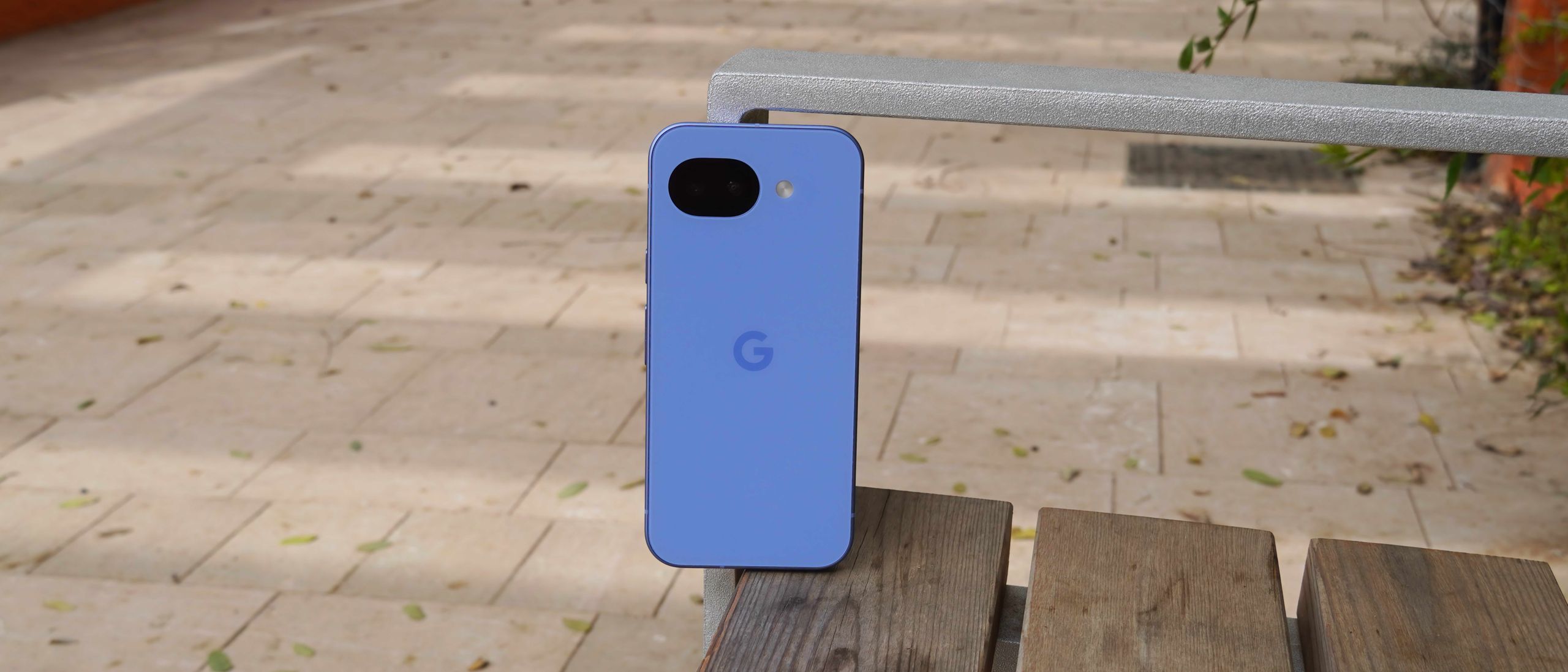
Google announced the Pixel 10a (pre-orders Feb 18, 2026; launch Mar 5, 2026) at $499 for 128GB and $599 for 256GB, carrying over the Tensor G4 and 8GB RAM while adding a 5,100 mAh battery, faster wired charging (45W/PPS up to 50% in 30 minutes), 10W wireless charging, Exynos 5400 modem with satellite SOS, Gorilla Glass 7i, IP68, and seven years of Android updates. By holding the $500 price point despite component cost pressures, Google appears to have prioritized price competitiveness over hardware upgrades — limiting on-device AI capability due to unchanged RAM and chipset — a strategy that may defend midrange share but compress margins and encourage upsell to higher-end Pixel models.
Market structure: Google’s $499 Pixel 10a preserves a low‑price anchor in the midrange and forces competitors (Samsung S25 FE, OnePlus 15R, iPhone 17e) to lean on promotions or differentiate with hardware — expect modest pricing pressure in the $400–$700 Android segment over the next 2–6 months. Component signals (memory/storage shortages) point to rising BOM costs; OEMs will either compress margins or cut features (Google chose the latter), which benefits suppliers of premium subs (glass, modem) but hurts smaller OEMs with thinner margins. Cross-asset: rising component inflation can feed modestly higher CPI risk (upward pressure on 10y yields by 10–25bps if broad), lift DRAM/NAND/commodity cyclicals, and support GLW‑like glass makers; FX pressure on EM smartphone exporters may persist.
Risk assessment: Tail risks include a sudden spike in DRAM/NAND prices (+20% q/q) or a supply shock (Taiwan/Korea) that forces OEM price hikes and reduces volumes — this would compress volumes in H2 2026 and hurt discretionary tech spending. Regulatory/privacy rules limiting cloud AI (EU/US) could reduce Alphabet’s ability to monetize cloud‑based features; operational risks include warranty/quality headlines from recycled designs that depress sell‑through for two quarters. Catalysts: weekly sell‑through reports, March retail promotions, and GOOGL Q1 2026 hardware margin disclosures can flip near‑term direction.
Trade implications: Tactical longs: GLW (Corning) to play Gorilla Glass 7i adoption — target a 3–4% portfolio allocation, 3–9 month horizon, trim on +20% move. Strategic long: GOOGL (GOOG) 1–2% allocation to capture cloud/AI monetization from off‑device features; reduce if hardware margins fall >200bps. Pair trade: long GLW vs short AAPL (2% short) for 3–6 months to express component demand vs premium handset resilience. Use call spreads on GLW (3–6m) and cash‑secured put or put spread on GOOGL to step in on dips.
Contrarian angles: The market underestimates how forcing features to the cloud can boost GCP/AI revenue — limited on‑device AI is a feature transfer, not pure regression; if Google converts 5–10% of Pixel users to paid AI services over 12–24 months, incremental revenue beats current expectations. Also, recycled chips can be a positive: keeping ASP at $499 may expand unit share in price‑sensitive markets and funnel upgrades to Pixel 10, lifting blended ASPs. Watch early sell‑through: weak uptake would invalidate the bullish hardware‑to‑cloud thesis and favor pure component shorts.
AI-powered research, real-time alerts, and portfolio analytics for institutional investors.
Request TrialOverall Sentiment
mildly positive
Sentiment Score
0.25
Ticker Sentiment
