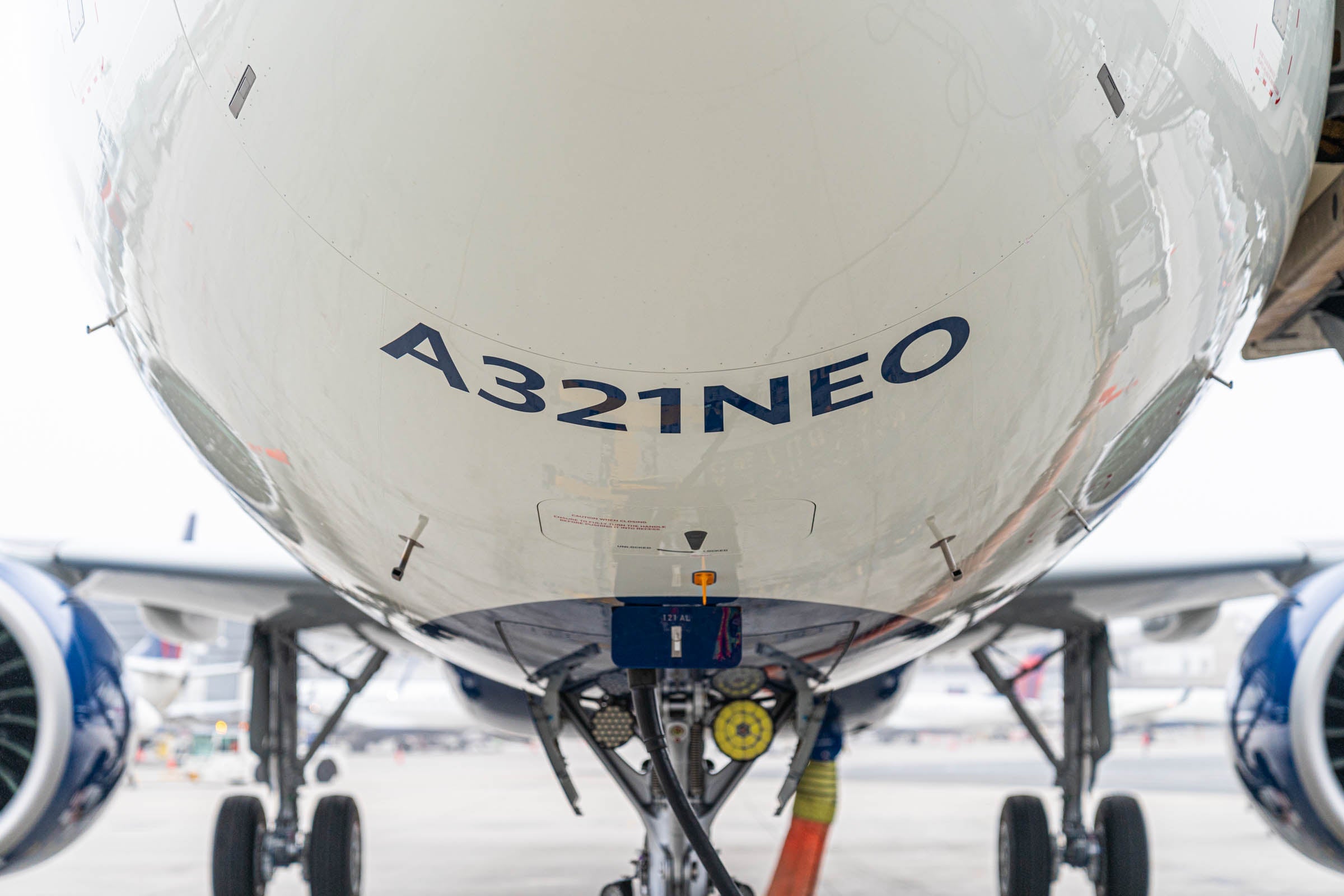
Airbus has ordered an immediate two-hour software update for roughly 6,000 A320-family jets worldwide after analysis tied a flight-control data corruption bug to intense solar radiation following a JetBlue A320 altitude-drop incident on Oct. 30 that injured 15. U.S. operators hold 1,622 A320s in service (Cirium); American reported 209 affected of 475 A320s (fewer than 150 still awaiting fixes as of 7 p.m. ET), Delta identified under 50 A321neos, United only six, while Colombia’s Avianca said over 70% of its fleet was affected and temporarily closed sales through Dec. 8. The patch is quick and carriers expect minimal disruption in the U.S., but the timing during a peak travel weekend creates near-term operational and reputational risk for carriers and modest downside pressure on stakeholders exposed to A320 operations.
Market structure: Immediate winners are MRO/aftermarket service providers and avionics/software integrators that can execute the ~2‑hour Airbus A320 family patch; global addressable fleet ~6,000 aircraft and U.S. in-service A320s ~1,622 (AAL 209 affected, DAL <50, UAL 6). Losers are airlines with concentrated A320 exposure (e.g., Avianca >70% affected) and Airbus reputational capital; capacity loss looks small given quick fix but localized ticketing/sales disruptions through Dec 8 are credible.
Risk assessment: Tail risks include an additional inflight incident leading to FAA/EASA airworthiness directives, which could extend downtime from hours to weeks and force retrofits costing hundreds of millions across operators — low probability but high impact. Time horizons: immediate (48–72 hours) operational disruption and vol spike; short-term (weeks) schedule recovery and revenue leakage during holiday traffic; long-term (quarters) potential regulatory scrutiny, warranty/retrofit costs and AR/PR headwinds to Airbus.
Trade implications: Favor relative resilience in carriers with lower A320 exposure: go long DAL vs short AAL; expect a transient volatility spike—use short-dated options to monetize. Credit: expect slight widening in high‑yield airline spreads for heavily affected carriers; consider buying cheap 1–3 month CDS protection on smaller, A320‑heavy international names if available.
Contrarian angles: Consensus may overstate demand impact — the patch is 2 hours and likely completed for most US fleets within 48 hours, so equity selloffs >5% in quality carriers are buying opportunities. Conversely, reputational/ regulatory outcomes (if one more incident occurs) are underpriced; set explicit stop/triggers tied to FAA/EASA notices within 30 days.
AI-powered research, real-time alerts, and portfolio analytics for institutional investors.
Request DemoOverall Sentiment
mildly negative
Sentiment Score
-0.25
Ticker Sentiment
