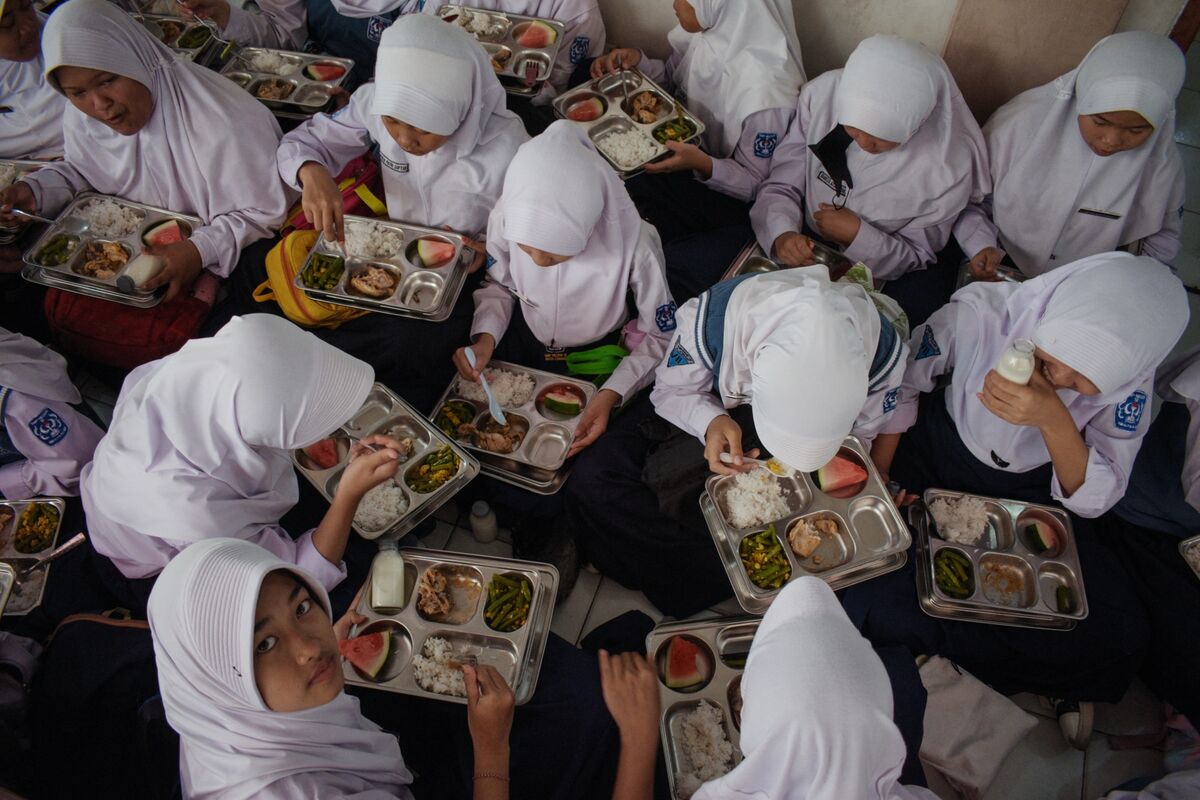
Indonesia's President Prabowo Subianto's ambitious 'free-lunch plan' for all children, a significant and costly initiative for a nation of over 280 million, recently saw its initial funding reduced. This adjustment signals a more phased, 'bite-size' implementation strategy, which the article suggests could enhance the program's long-term effectiveness and underscores the fiscal realities of implementing large-scale social welfare programs in emerging economies.
Indonesia's new administration under President Prabowo Subianto is advancing an ambitious social welfare initiative to provide free daily meals to all students, a program with significant fiscal implications for the nation of over 280 million. The key development is the recent reduction in the program's initial funding, which signals a pivot towards a more pragmatic, phased implementation. This 'bite-size' approach, while scaling back the initial scope, is presented as a move that could enhance the program's long-term effectiveness and sustainability. For investors, this adjustment offers an early look into the administration's governance style, suggesting a potential willingness to balance ambitious populist promises, such as achieving rapid economic growth and large infrastructure projects, with the fiscal realities of an emerging market. The decision reflects an acknowledgment of the 'hefty check' associated with the plan and may temper concerns about immediate budgetary strain.
AI-powered research, real-time alerts, and portfolio analytics for institutional investors.
Request DemoOverall Sentiment
mixed
Sentiment Score
0.10
