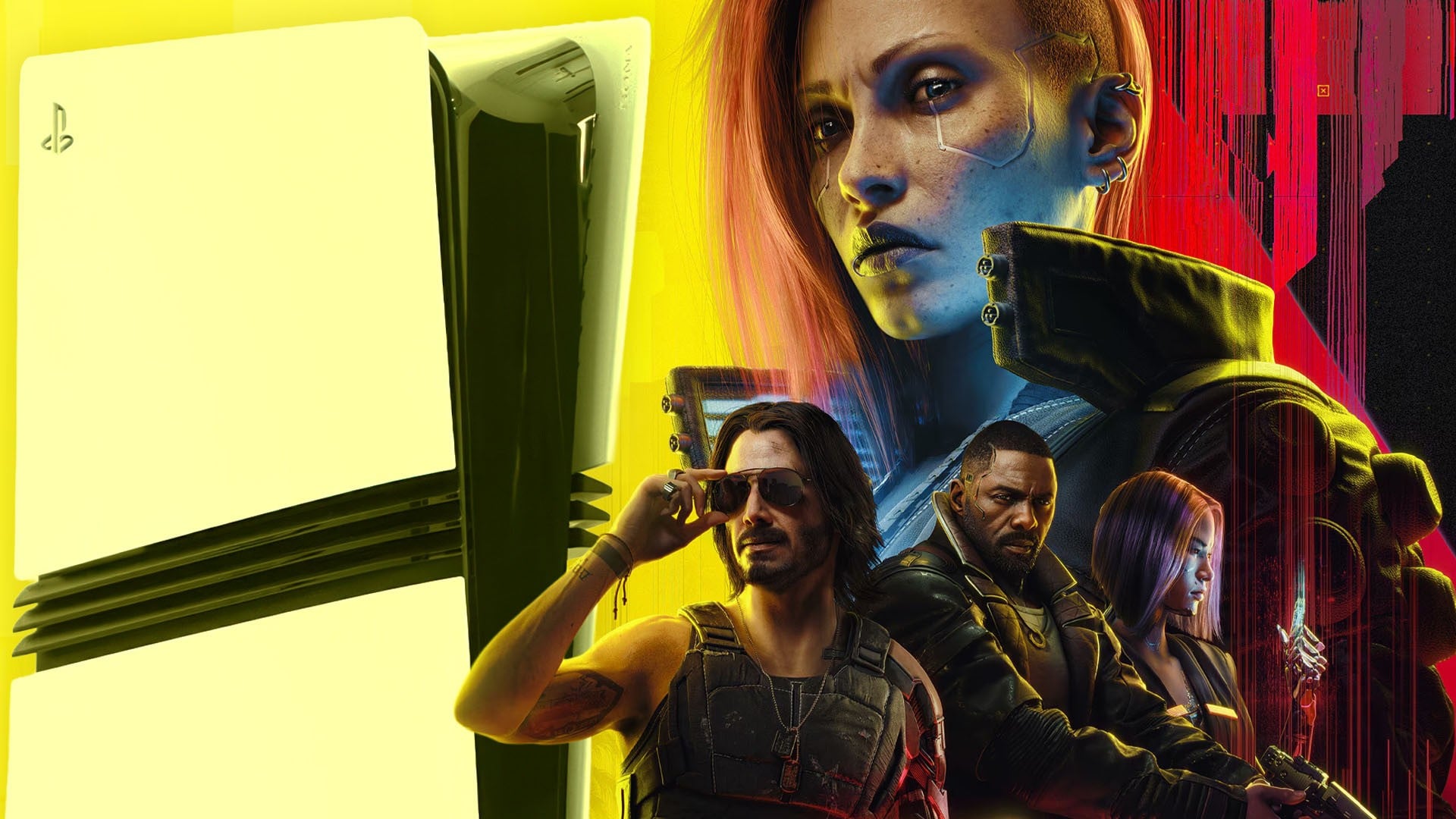
CD Projekt RED released a free PS5 Pro upgrade for Cyberpunk 2077 that adds three modes: RT Pro (targeting 30fps on 60Hz and ~40fps on 120Hz, ~1440p internal upscaled to 4K via PSSR), a 60fps RT mode (around 1440p with reduced RT features), and a non-RT performance mode targeting ~90fps (11.1ms) with high-quality upscaling. Reviewers praise improved ray tracing, PSSR upscaling and higher-resolution performance, calling it the best console way to play and a clear upgrade over standard PS5. The upgrade is free for existing owners and should modestly increase appeal and engagement among PS5 Pro users, but any uplift to CDPR revenue or share price is likely small and not market-moving.
Upgrades to an installed console base act like a low-cost, high-margin extension of software monetization: every successful ‘quality refresh’ increases willingness-to-pay for DLC, expansions and re-purchases while lengthening the revenue tail of legacy catalogs. Expect measurable uplift in quarterly digital revenue flows for publishers with deep back-books over the next 6–18 months, with the biggest impact concentrated around holiday windows when upgraded hardware sell-through accelerates attach rates.
At the supplier level there is a bifurcation of effects. Console SoC and semi-custom chip suppliers get a one-off OEM order and a recurring uplift in ecosystem spend (controllers, accessories), while the PC GPU market faces ambiguous signals — richer console visuals raise consumer expectations (supporting GPU demand over 12–24 months) even as better upscaling tech mutes immediate need for the highest-end upgrades. This creates a timing mismatch worth exploiting: near-term positive for console silicon suppliers, medium-term positive for premium GPU vendors if developers lean into ray-traced visuals.
Strategically, platform owners who can convert visual upgrades into subscription or F2P engagement wins will capture outsized margin upside. Sony-sized ecosystem owners have the cleanest path to translate a hardware refresh into recurring revenue; competitors with different monetization mixes will need to discount or bundle aggressively to defend share. Monitor first-party release cadence and subscription marketing spend as leading indicators of monetization conversion.
Key tail risks: user backlash to persistent bugs or perceived visual regressions could blunt upgrade momentum within weeks; aggressive pricing or supply constraints of the upgraded console can flip a positive install-base story into a demand miss across a 1–3 quarter window. Catalysts to watch are holiday sell-through reports, manufacturer guidance on production, and mid-cycle GPU refresh announcements that either accelerate or cannibalize upgrade demand.
AI-powered research, real-time alerts, and portfolio analytics for institutional investors.
Request DemoOverall Sentiment
mildly positive
Sentiment Score
0.35
