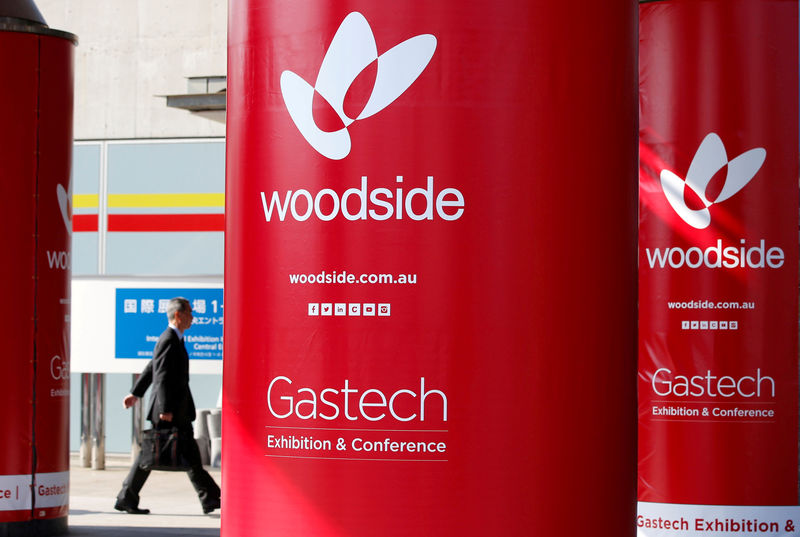
Australia will require LNG exporters to reserve 20% of new production for the domestic market starting from July next year, a policy aimed at easing east-coast gas shortages and lowering energy costs. The rule applies to new contracts and spot volumes, not existing export agreements, but it raises earnings risk for exporters and pressured energy stocks, with the ASX 200 Energy sub-index down 3% and Santos and Woodside falling 3.5%-4.5%.
This is less a one-off sector headline than an intervention in the economics of marginal LNG development. The near-term hit is concentrated in names with the highest exposure to incremental Australian gas output and merchant LNG optionality, because the policy taxes the upside of new capacity while leaving legacy contracts largely intact. That creates a two-speed market: existing export cash flows are relatively insulated, but the valuation multiple on future project pipelines should compress as domestic reservation becomes a de facto regulatory take rate.
The second-order effect is tighter discipline on capital spending across the Australian gas complex. If developers cannot rely on full export pricing for new volumes, sanctioned projects may slip, which paradoxically could worsen the very supply tightness the policy is designed to solve in 12-24 months. Utilities and industrial gas users on the east coast gain a clearer supply backstop, but the bigger beneficiary may be domestic power generators if lower gas prices reduce fuel input costs and pressure wholesale electricity prices with a lag.
The move looks tactically bearish for the sector but potentially overstates the long-run earnings damage for diversified operators with global portfolios and contracted LNG exposure. The key risk to the bear case is implementation friction: the government will likely face lobbying on contract definitions, export exemptions, and enforcement mechanics, any of which could dilute the effective 20% reserve rate. If prices fall too quickly, the policy may also be perceived as self-defeating because it undermines new investment before the shortage window closes, which could force revisions or softer interpretation within 6-18 months.
Contrarian setup: the market may be reacting to headline delta rather than true NAV impact. The sharper trade is not a blanket short energy, but a short on Australia-centric gas beta versus a long in domestic gas consumers or power names that benefit from lower input costs. The best risk/reward likely comes from fading the first-order selloff in names with limited new-project exposure and pairing that against more levered LNG developers or service companies tied to future Australian capex.
AI-powered research, real-time alerts, and portfolio analytics for institutional investors.
Request DemoOverall Sentiment
moderately negative
Sentiment Score
-0.45
