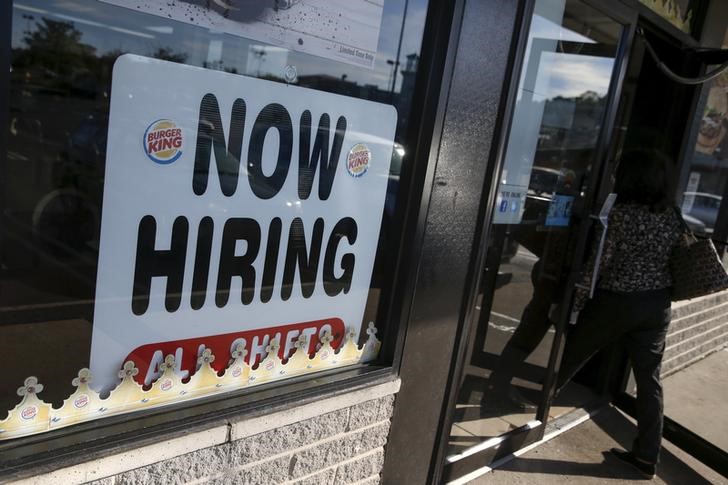
Nonfarm payrolls are forecast to rebound by 60,000 in March (Bloomberg median) after a 92,000 decline in February, with the unemployment rate seen steady at 4.4%; Bloomberg Economics’ view is a slightly stronger 80,000 gain. Retail sales ex-autos/gas are expected +0.3% for February while surging energy costs and a 0.7pp jump in Eurozone CPI to 2.6% heighten inflationary/stagflation risks, leaving the Fed to balance modest hiring against renewed price pressures.
The macro mix — weaker hiring momentum paired with energy-driven price pressure — creates a two-speed outcome: corporate pricing power and capital goods producers can keep margins while lower-income consumers face real income compression. That bifurcation tends to concentrate incremental spending into premium, high-ASP upgrades (where marginal demand is stickier) while compressing discretionary volume at the low end; expect volatility in retail inventories and erratic seasonal restocking over the next 3–6 months.
For banks, the near-term math is straightforward: higher rates buoy NII but deposit beta and a slow-burning deterioration in consumer credit are second-order drags that typically materialize with a 6–18 month lag. For a large, diversified bank this suggests a window to monetize higher NII now while reserving for rising CECL/charge-offs later — equity performance should be sensitive to the upcoming quarterly release cadence and any guidance on credit costs.
Apple’s foldable flagship is a strategic lever that can compress upgrade timelines and raise company-level ASPs and services attach over 6–12 months, but it also re-prices the supply chain (flexible OLEDs, hinge assemblies) giving component suppliers transient pricing power. The asymmetric risk: execution delays or a macro pullback could convert a potential demand front-loading into inventory build and margin compression for suppliers — AAPL’s own stock will be less binary but suppliers and high-beta displays names will see bigger moves.
Immediate market catalysts to watch: payrolls/retail prints, Fed commentary, and headline energy moves — each can flip sentiment quickly. Tail risks include a large energy shock that forces headline inflation higher (prompting tighter policy) or a sharper-than-expected consumer retrenchment that accelerates credit stress; both would materially re-rate banks and consumer-facing tech over 1–12 months.
AI-powered research, real-time alerts, and portfolio analytics for institutional investors.
Request DemoOverall Sentiment
mildly negative
Sentiment Score
-0.15
Ticker Sentiment
