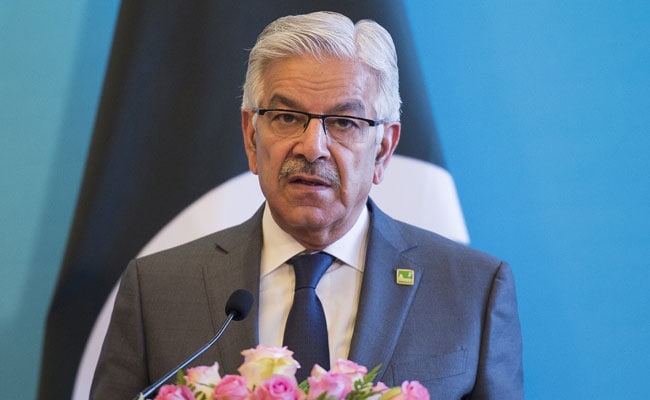
Pakistan and Saudi Arabia have solidified a mutual defensive pact, with Pakistan's Defence Minister Khawaja Asif confirming Islamabad's nuclear weapons would be available for Riyadh's use in the event of aggression, akin to NATO's Article 5. This agreement provides Pakistan with crucial financial backing and potential for a broader Arab alliance, while granting Saudi Arabia a 'nuclear shield,' significantly altering West Asian security dynamics and drawing close attention from Israel, Iran, and India.
A new mutual defense agreement between Saudi Arabia and Pakistan materially alters the security landscape of West and South Asia. The pact, explicitly compared by Pakistan's Defence Minister to NATO's Article 5, establishes that an attack on one nation is an attack on both. The most significant element is Pakistan's confirmation that its nuclear arsenal is available for Saudi Arabia's use, effectively extending a 'nuclear shield' to Riyadh. This arrangement strategically marries Saudi Arabia's financial power with Pakistan's military and nuclear capabilities. For Pakistan, the deal secures 'formidable financial backing' and opens the door to a potential broader 'Arab nations alliance'. For Saudi Arabia, it provides a nuclear deterrent, challenging Israel's long-standing status as the sole nuclear-armed state in the region. Consequently, this development is being closely monitored by regional powers, including India, which is assessing the implications, as well as Israel and Iran, whose strategic calculations will now have to account for this new nuclear-backed alliance.
AI-powered research, real-time alerts, and portfolio analytics for institutional investors.
Request DemoOverall Sentiment
mixed
Sentiment Score
0.00
