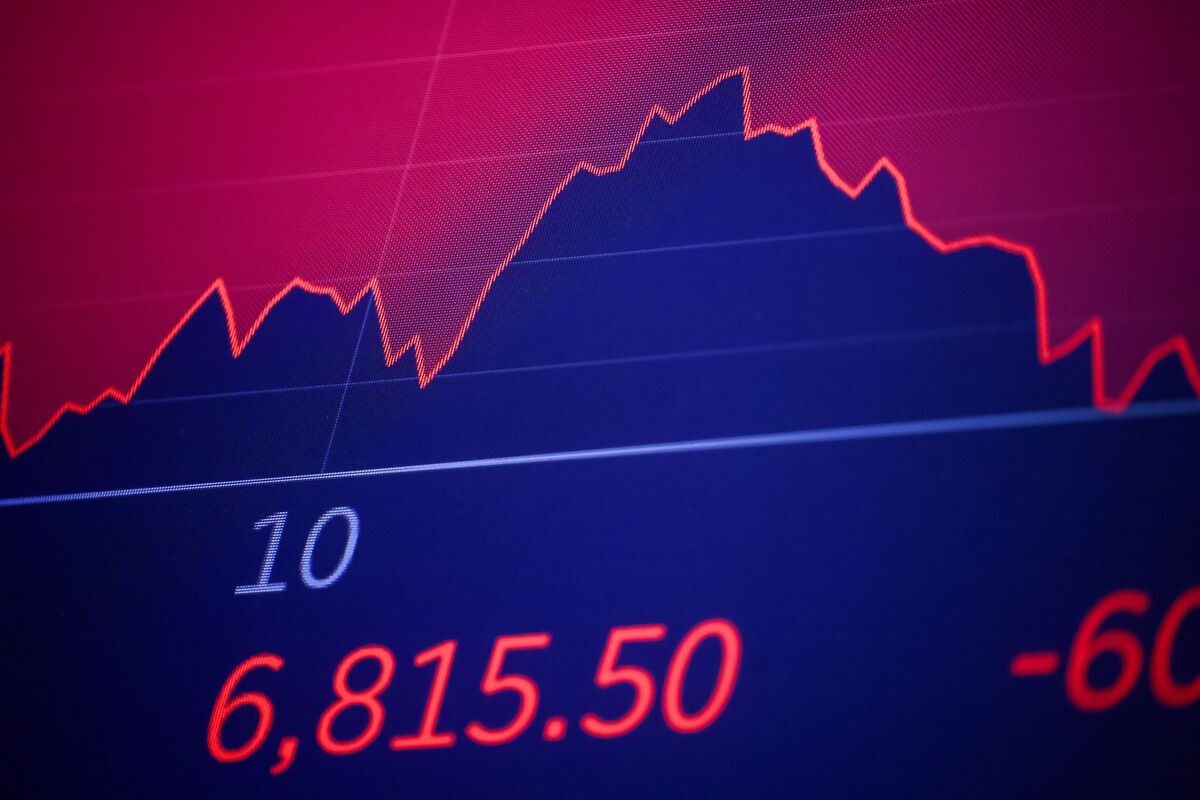
Diminishing expectations for Federal Reserve interest rate cuts are fueling increased risk aversion among investors, leading to a notable decline in high-valuation growth stocks. This market shift reflects concerns over a 'higher for longer' interest rate environment, prompting a re-evaluation of riskier assets and a move away from speculative holdings.
The market is currently experiencing a significant shift towards risk aversion, primarily driven by diminishing investor expectations for Federal Reserve interest rate cuts. This sentiment has led to a notable decline in high-valuation growth stocks, reflecting concerns over a prolonged 'higher for longer' interest rate environment. This re-evaluation is prompting a move away from speculative holdings.
The prevailing market tone is strongly negative, indicated by a sentiment score of -0.7 and a clear 'risk-off' posture, with a high market impact score of 0.7. This environment suggests that assets heavily reliant on future growth projections are being re-priced as discount rates remain elevated.
Key themes influencing this market dynamic include Monetary Policy, Interest Rates & Yields, Market Technicals & Flows, and Investor Sentiment & Positioning. The confluence of these factors indicates a fundamental re-calibration of investment strategies, prioritizing capital preservation over aggressive growth plays.
AI-powered research, real-time alerts, and portfolio analytics for institutional investors.
Request DemoOverall Sentiment
strongly negative
Sentiment Score
-0.70
